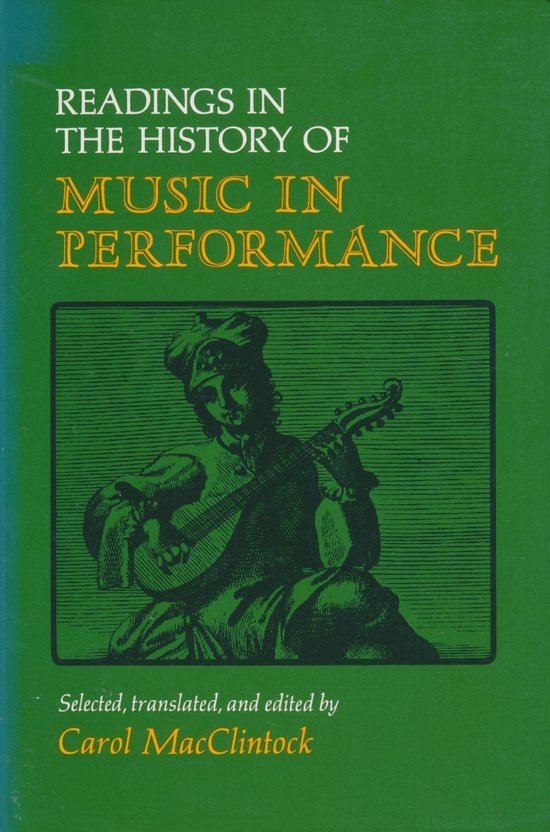
9780253202857 - Readings in the History of Music in Performance

Readings in the History of Music in Performance

Readings in the History of Music in Performance, authored by the esteemed Carol Macclintock, is a seminal work that delves deeply into the evolution of musical performance practices from ancient times to the modern era. This comprehensive volume, with the ISBN 9780253202857, serves as an invaluable resource for musicians, scholars, and enthusiasts seeking to understand how music has been brought to life through performance across different cultures and historical periods. Macclintock meticulously compiles and analyzes primary sources, including treatises, letters, and eyewitness accounts, to illuminate the techniques, styles, and societal contexts that have shaped musical interpretation. The book is structured chronologically, beginning with the monophonic chants of the medieval period, exploring the intricate polyphony of the Renaissance, and progressing through the expressive nuances of the Baroque, Classical, Romantic, and contemporary eras. Each chapter not only describes the technical aspects of performance, such as instrumentation, tempo, and ornamentation, but also delves into the philosophical and aesthetic debates that influenced performers and composers. For instance, it examines how the rise of virtuosity in the 19th century transformed concert culture, or how early music revivals in the 20th century prompted a reevaluation of historical authenticity. Macclintock's engaging prose makes complex concepts accessible, blending scholarly rigor with narrative flair to highlight the dynamic interplay between score and performance. This book is particularly notable for its inclusion of diverse perspectives, covering Western classical traditions as well as glimpses into non-Western practices, thereby offering a holistic view of music's living history. By emphasizing the human element in performance, it underscores how musicians have continually adapted and innovated, making this text essential for anyone interested in the art of music-making. Ultimately, Readings in the History of Music in Performance not only educates but inspires, encouraging readers to appreciate the rich tapestry of sounds that have echoed through time and to reflect on their own roles in perpetuating musical traditions.

Beschikbare exemplaren

€8.95
GOED
Auteur Carol Macclintock
ISBN 9780253202857
Bindwijze Paperback
Tags music history performance practices Carol Macclintock historical musicology musical interpretation

Readings in the History of Music in Performance by Carol Macclintock is a masterfully crafted exploration that stands out for its depth and clarity, though it is not without minor drawbacks. One of its strongest points is the meticulous research and use of primary sources, which provides an authentic and immersive look into historical performance practices, allowing readers to grasp the evolution of musical interpretation with remarkable detail. Macclintock's ability to weave together technical analysis with cultural context is commendable, as she elucidates how societal changes, such as the Enlightenment's emphasis on reason or the Romantic era's focus on emotion, directly influenced performance styles, making the content both informative and engaging. The book's chronological organization is another strength, offering a logical progression that helps in understanding the continuity and shifts in musical expression over centuries, from the disciplined rhythms of medieval chant to the improvisational freedoms of jazz-influenced modern performances. However, a potential weakness lies in its occasional density; some sections, particularly those dealing with obscure theoretical treatises, may overwhelm readers without a strong background in musicology, potentially limiting its accessibility to a broader audience. Additionally, while the coverage of Western music is extensive, the inclusion of non-Western traditions feels somewhat peripheral, which might disappoint those seeking a more global perspective. Despite these minor issues, the book excels in its pedagogical value, with clear explanations and illustrative examples that make complex ideas relatable, such as how the invention of the piano revolutionized domestic music-making. The prose is generally fluid and evocative, though at times it can drift into academic jargon, but this is balanced by Macclintock's evident passion for the subject, which shines through and keeps the narrative compelling. Overall, this work is an essential addition to any music lover's library, offering profound insights that enrich one's appreciation of performance as a living, evolving art form, even if it requires a bit of perseverance to fully digest its wealth of information.

Readings in the History of Music in Performance by Carol Macclintock provides a comprehensive overview of how musical performance has developed from ancient civilizations to the present day, tracing the intricate journey of interpretation and execution across various eras. The book begins by examining early musical practices, such as the monophonic Gregorian chants of the Middle Ages, where performance was deeply tied to religious rituals and oral traditions, emphasizing unison singing and minimal instrumental accompaniment. As it moves into the Renaissance, the narrative explores the rise of polyphony and the role of courts and churches in fostering complex vocal and instrumental ensembles, highlighting how composers like Josquin des Prez began to notate dynamics and phrasing, allowing for more nuanced performances. The Baroque period is detailed with a focus on ornamentation and the emergence of opera, where performers like castrati and virtuoso instrumentalists pushed the boundaries of expressiveness, while the Classical era brought a shift towards clarity, balance, and the standardization of forms, as seen in the works of Mozart and Haydn. Progressing into the Romantic era, the book describes how emotional intensity and individualism took center stage, with performers such as Paganini and Liszt captivating audiences through technical brilliance and personal interpretation, often deviating from scores to convey deeper feelings. The 20th century and beyond are covered with discussions on modernism, where experimentation with atonality and electronic music challenged traditional performance norms, and the early music revival movement sought to recreate historical sounds using period instruments. Throughout, Macclintock emphasizes the interplay between notation, performer creativity, and audience expectations, illustrating how each epoch's cultural, technological, and philosophical shifts—from the invention of recording devices to globalization—have continuously reshaped what it means to perform music. By weaving together historical anecdotes, analytical insights, and broader themes, the summary encapsulates a story of adaptation and innovation, showing that performance is not merely a reproduction of notes but a dynamic dialogue between past and present, ultimately enriching our understanding of music as a lived experience.