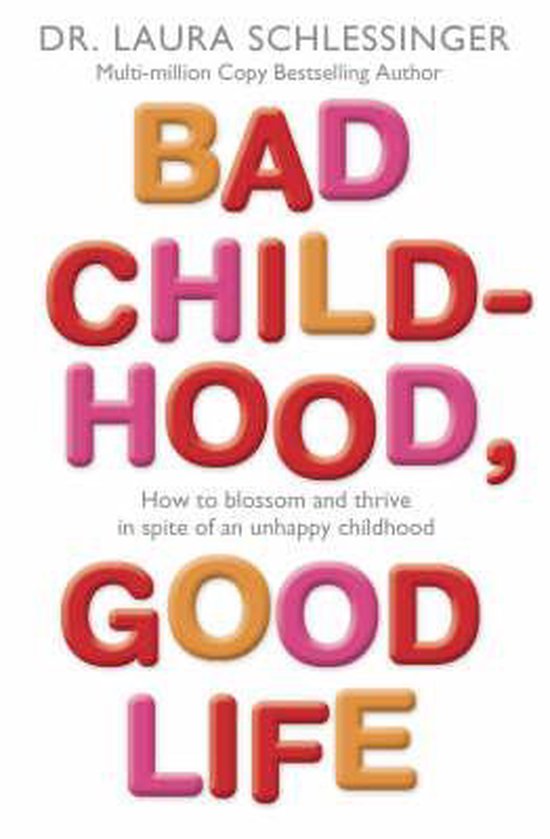
9780060577865 - Bad Childhood Good Life

Bad Childhood Good Life

In 'Bad Childhood Good Life', Dr. Laura Schlessinger offers a transformative guide for those haunted by a painful past. Drawing from her extensive experience as a therapist, she presents a compelling argument that a difficult childhood does not have to define or limit one's future. The book is structured to help readers understand how past traumas, neglect, or abuse can shape negative patterns, but more importantly, it provides practical steps to break free from these cycles. Schlessinger emphasizes personal responsibility and the power of choice, encouraging readers to take control of their lives rather than remain victims of their history. She combines psychological insights with spiritual wisdom, often referencing biblical principles, to guide readers toward healing and self-empowerment. The book is divided into sections that address understanding the impact of a bad childhood, the process of letting go, and the pursuit of a good life. Each chapter includes real-life stories from Schlessinger's practice, making the concepts relatable and actionable. She challenges readers to confront painful emotions, forgive themselves and others, and develop a new sense of identity based on their values and strengths. The ultimate message is one of hope: that despite a rocky start, anyone can create a fulfilling life by making conscious choices and embracing personal growth. This book is not just for those who have experienced severe trauma; it is for anyone who feels stuck or limited by their upbringing. Schlessinger's direct, no-nonsense approach may be confrontational for some, but it is ultimately empowering, pushing readers to take the reins of their own happiness.

Beschikbare exemplaren

€18.95
GOED
Andere kaft dan op de foto. Verder is het boek in prima staat.
Auteur Dr Laura Schlessinger
ISBN 9780060577865
Bindwijze Hardcover
Tags personal growth psychology Self-Help healing childhood trauma

Dr. Laura Schlessinger's 'Bad Childhood Good Life' is a powerful and provocative read that offers practical advice for overcoming a troubled past. One of its greatest strengths is Schlessinger's ability to blend psychological expertise with real-world examples, making complex concepts accessible. Her emphasis on personal responsibility is both refreshing and challenging, pushing readers to move beyond victimhood. The book's structure, with chapters focusing on specific issues like resentment and self-pity, allows readers to target their particular struggles. However, the book is not without weaknesses. Schlessinger's often harsh tone may alienate sensitive readers, and her reliance on religious references might not resonate with those who are not spiritually inclined. Some critics argue that her approach oversimplifies deep-seated trauma and places too much blame on the individual. Additionally, the book could benefit from more concrete exercises or worksheets to help readers implement the advice. Despite these drawbacks, 'Bad Childhood Good Life' has helped many people find hope and direction. Schlessinger's message that we can choose to rise above our circumstances is inspiring, and her no-nonsense style cuts through the noise of self-help platitudes. For readers willing to accept her direct approach, this book can be a catalyst for genuine change. It is best suited for those who are ready to take action and are not afraid of a little tough love. Overall, it is a valuable resource for anyone seeking to break free from the shadows of a difficult childhood and build a life of purpose and joy.

'Bad Childhood Good Life' by Dr. Laura Schlessinger is a self-help book that guides readers from the pain of a difficult past to the fulfillment of a meaningful life. The book begins by acknowledging the deep wounds that can result from childhood experiences such as abuse, neglect, or parental dysfunction. Schlessinger helps readers identify how these experiences have shaped their beliefs, behaviors, and relationships, often leading to patterns of self-sabotage, anger, or low self-worth. She then introduces the concept of personal responsibility, arguing that while we cannot change what happened to us, we can control how we respond. The first part of the book focuses on understanding the past: recognizing the emotions tied to childhood events, grieving losses, and confronting the truth about one's upbringing. Schlessinger encourages readers to let go of blame and resentment, which she sees as barriers to growth. The second part delves into the process of transformation, emphasizing the power of choice. She introduces the idea of 'creating a new life narrative' by focusing on one's values, strengths, and goals. Practical advice includes setting boundaries, developing self-discipline, and practicing forgiveness. The final part of the book is about building a good life, which Schlessinger defines as one lived with purpose, integrity, and joy. She discusses the importance of faith (not necessarily religious), service to others, and cultivating gratitude. Throughout the book, Schlessinger uses anecdotes from her therapy practice to illustrate key points, making the advice tangible. The overall message is that a bad childhood does not have to determine one's destiny; with effort and courage, anyone can create a life of meaning and happiness.