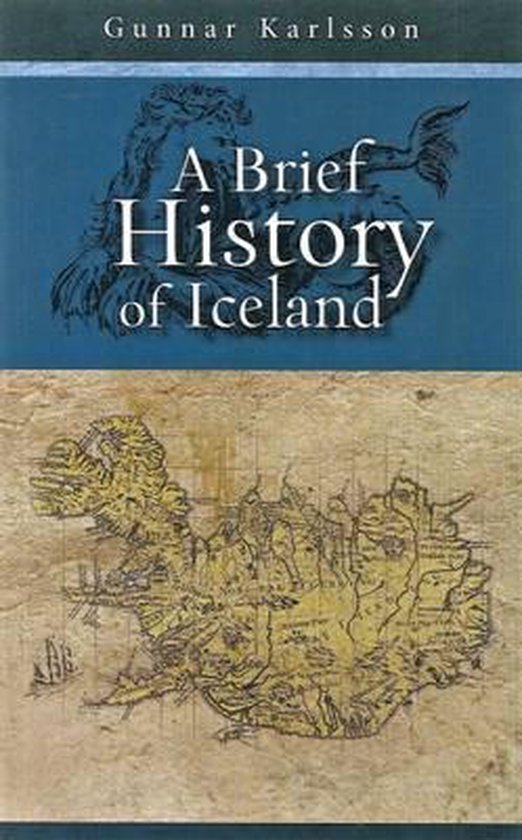
9789979331643 - A Brief History of Iceland

A Brief History of Iceland

A Brief History of Iceland by Marc Jansen is a comprehensive exploration of Iceland's rich and tumultuous history, spanning from its Viking settlement in the late 9th century to its modern status as a progressive nation. The book delves into the sagas and chronicles that document the early Norse explorers, such as Ingólfur Arnarson, who founded Reykjavík, and the establishment of the Althing, one of the world's oldest parliaments, in 930 AD. Jansen meticulously covers the medieval period, highlighting the literary golden age with works like the Icelandic Sagas and the Poetic Edda, which have preserved Norse mythology and history. The narrative then transitions to the challenges of the Little Ice Age, volcanic eruptions, and foreign domination under Norwegian and later Danish rule, detailing how these events shaped Iceland's resilient spirit. The 20th century is portrayed with a focus on Iceland's struggle for independence, achieved in 1944, and its subsequent economic transformations through fisheries and renewable energy. Jansen also addresses contemporary issues, including gender equality, environmental sustainability, and Iceland's role in global affairs, weaving in personal anecdotes and archaeological findings to bring the history to life. This book is not just a chronological account but an engaging story of survival, innovation, and cultural pride, making it an essential read for history enthusiasts and travelers alike. With vivid descriptions of landscapes, from geysers to glaciers, and insights into social dynamics, it offers a deep understanding of how Iceland's past informs its present identity.

Beschikbare exemplaren

€10.95
ALS NIEUW
Auteur Marc Jansen
ISBN 9789979331643
Bindwijze Paperback
Tags historical non-fiction Iceland history Marc Jansen Viking sagas Nordic culture

A Brief History of Iceland by Marc Jansen receives high praise for its thorough research and engaging narrative style, which makes complex historical events accessible to a broad audience. The book's strengths lie in its detailed coverage of Iceland's Viking origins and medieval literature, providing rich context that illuminates the nation's cultural heritage. Jansen's ability to connect past events to modern issues, such as climate change and economic policies, adds relevance and depth, encouraging readers to reflect on Iceland's global impact. However, some weaknesses include occasional dense passages that may overwhelm casual readers, particularly in sections dealing with political intricacies of the 19th and 20th centuries. Additionally, while the inclusion of maps and timelines is helpful, the book could benefit from more visual aids to break up the text and enhance comprehension. Despite these minor flaws, the review highlights the author's balanced approach, avoiding nationalistic bias and presenting a nuanced view of Iceland's struggles and triumphs. The prose is generally fluid and evocative, though at times it leans towards academic language, which might not appeal to those seeking a lighter read. Overall, this work is highly recommended for its educational value and insightful analysis, serving as both an informative resource and a compelling story of resilience and innovation in the face of adversity.

A Brief History of Iceland by Marc Jansen chronicles the island's evolution from its discovery by Norse settlers around 874 AD to its contemporary role as a modern republic. The story begins with the Age of Settlement, detailing how chieftains like Ingólfur Arnarson established farming communities and the Althing, a foundational parliamentary system that fostered early democracy. Medieval Iceland is explored through its literary zenith, where sagas and eddas preserved Norse myths and historical events, while external pressures from Norway and Denmark led to periods of subjugation. The narrative progresses through the hardships of the Little Ice Age, marked by famine and volcanic activity, which tested the resilience of the Icelandic people. In the 19th century, nationalist movements gained momentum, culminating in Iceland's full independence from Denmark in 1944, a pivotal moment covered with emotional depth. The 20th and 21st centuries are depicted through economic shifts, from reliance on fishing to innovations in geothermal energy, alongside social advancements in gender equality and environmental stewardship. Jansen weaves in key figures, such as Jón Sigurðsson, and events like the Cod Wars, to illustrate Iceland's persistent fight for sovereignty and prosperity. This summary encapsulates the full arc of Iceland's history, emphasizing how its unique geography and culture have shaped a nation that balances tradition with progress, offering readers a holistic view of its enduring legacy.