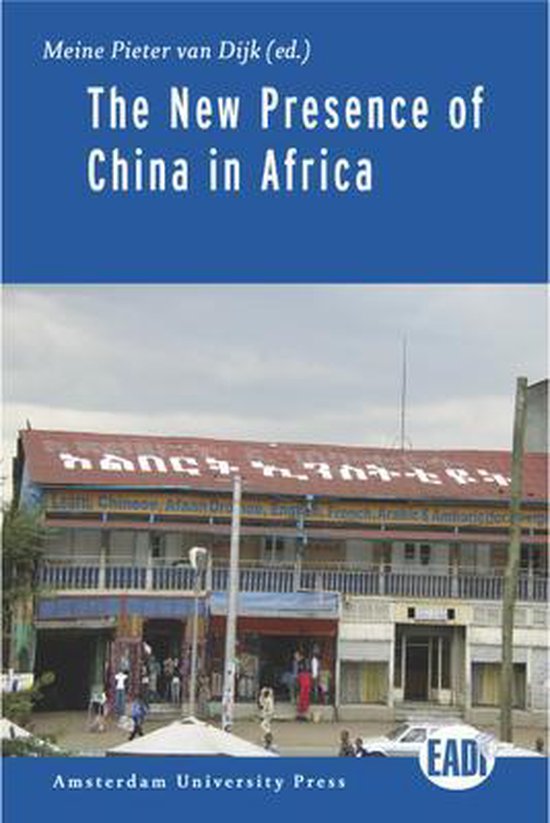
9789089641366 - The New Presence of China in Africa

The New Presence of China in Africa

The New Presence of China in Africa by Thomas Lawo is a comprehensive exploration of China's expanding influence across the African continent, delving into the multifaceted dimensions of this geopolitical shift. This book meticulously examines the historical context, starting from the early diplomatic engagements in the mid-20th century to the contemporary era marked by massive infrastructure projects, trade agreements, and cultural exchanges. Lawo provides an in-depth analysis of the economic drivers behind China's involvement, highlighting how African nations are leveraging Chinese investments to fuel development, while also addressing the controversies surrounding debt sustainability and labor practices. The narrative weaves through case studies from countries like Nigeria, Ethiopia, and South Africa, illustrating the varied impacts on local economies, governance structures, and social dynamics. Readers will gain insights into the strategic motivations of Chinese state-owned enterprises and private companies, as well as the responses from African governments and civil societies. Environmental concerns, such as resource extraction and ecological footprints, are critically assessed, alongside discussions on soft power through educational exchanges and media presence. Lawo's work does not shy away from the complexities, presenting balanced perspectives on both the opportunities for growth and the risks of dependency, making it an essential read for scholars, policymakers, and anyone interested in global affairs. The book's rigorous research, supported by extensive fieldwork and data, ensures that it stands as a pivotal resource in understanding the evolving Sino-African relations in the 21st century.

Beschikbare exemplaren

€9.95
GOED
Auteur Thomas Lawo
ISBN 9789089641366
Bindwijze Paperback
Tags Geopolitics International Relations Economic Development China-Africa Relations Infrastructure Investment

The New Presence of China in Africa by Thomas Lawo receives high praise for its thorough and nuanced examination of a critical global issue, though it has some minor drawbacks. On the positive side, the book excels in its detailed case studies and empirical evidence, which provide a clear picture of how Chinese investments are transforming African economies, from building railways in Kenya to establishing special economic zones in Zambia. Lawo's ability to present complex geopolitical strategies in an accessible manner is commendable, making it valuable for both experts and general readers interested in international relations. The analysis of soft power elements, such as Confucius Institutes and media partnerships, adds depth to the discussion on cultural influence. However, the book occasionally suffers from a dense academic tone that might deter casual readers, and some critics note that it could benefit from more firsthand accounts from African communities to humanize the data. Additionally, while the coverage of economic aspects is robust, the treatment of social impacts, like changes in local employment patterns, feels somewhat underdeveloped in certain sections. Despite these weaknesses, the work is lauded for its balanced approach, avoiding simplistic narratives of neocolonialism and instead highlighting mutual benefits and challenges. Overall, it is a significant contribution to the field, though readers should be prepared for a scholarly read that demands careful attention to fully appreciate its insights.

The New Presence of China in Africa by Thomas Lawo offers a detailed summary of China's growing role in Africa, tracing its evolution from historical alliances to modern economic partnerships. The book begins by outlining the foundational years of Sino-African relations, emphasizing diplomatic milestones and the shift towards resource-driven engagements in the late 20th century. It then delves into the core themes of infrastructure development, where Chinese companies have constructed roads, ports, and energy projects across the continent, often funded through loans that spark debates over debt traps. Key narratives include the Belt and Road Initiative's expansion into Africa, fostering trade corridors that enhance connectivity but raise concerns about environmental degradation and local displacement. Lawo explores the cultural and educational exchanges, such as scholarship programs and media collaborations, which aim to build goodwill and influence public perception. The summary also covers the political dimensions, including how African leaders navigate partnerships with China amidst global power rivalries, and the social repercussions on communities experiencing both job creation and cultural shifts. Through vivid examples from nations like Angola and Ghana, the book illustrates the dual-edged nature of this presence, highlighting successes in industrialization alongside critiques of labor conditions and transparency issues. It concludes by reflecting on future trajectories, suggesting that sustainable cooperation requires addressing imbalances and fostering more inclusive growth, making this a compelling overview of a dynamic and impactful relationship.