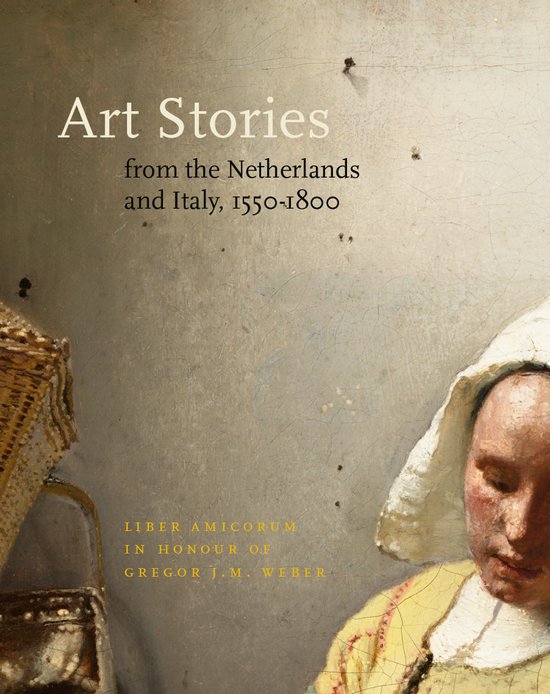
9789081702638 - Art Stories from The Netherlands and Italy, 1550-1800

Art Stories from The Netherlands and Italy, 1550-1800

  • Auteur
  • Uitgeverij-
  • Jaar-

Art Stories from The Netherlands and Italy, 1550-1800 is a captivating exploration of the rich artistic traditions of two of Europe's most influential regions during the early modern period. This beautifully illustrated volume delves into the interconnected histories of Dutch and Italian art, highlighting the cultural exchanges, stylistic innovations, and thematic continuities that shaped the visual arts from the late Renaissance to the dawn of the nineteenth century. Through a series of thematic chapters, the book examines key movements such as Mannerism, Baroque, and Rococo, while also shedding light on lesser-known artists and regional schools. Readers will discover how artists like Rembrandt, Vermeer, Caravaggio, and Tiepolo drew inspiration from each other's work, adapting techniques and motifs to suit their local contexts. The narrative weaves together painting, sculpture, architecture, and decorative arts, offering a holistic view of the period's creative output. Special attention is given to the role of patronage, religion, and market forces in shaping artistic production. With over 200 full-color reproductions, including many rarely seen works, this book is a visual feast for art lovers and scholars alike. It also includes insightful analyses of individual masterpieces, providing readers with the tools to appreciate the nuances of composition, color, and symbolism. Whether you are a seasoned art historian or a curious novice, Art Stories from The Netherlands and Italy, 1550-1800 offers a compelling journey through centuries of artistic achievement, revealing the enduring legacy of these two great cultures.

Beschikbare exemplaren

€35.95
GOED
ISBN 9789081702638
Bindwijze Hardcover
Tags Art History baroque Dutch art Italian Art Renaissance to Neoclassicism

Art Stories from The Netherlands and Italy, 1550-1800 is a meticulously researched and visually stunning addition to the field of art history. The book's greatest strength lies in its comparative approach, which illuminates the dynamic interplay between Northern and Southern European art traditions. The authors skillfully avoid the trap of presenting a mere catalog of works, instead offering a coherent narrative that traces stylistic and thematic developments across two centuries. The inclusion of lesser-known artists alongside canonical figures provides a refreshing breadth of perspective. However, the book is not without its weaknesses. At times, the sheer volume of information can be overwhelming, and the text occasionally sacrifices depth for breadth, particularly in its treatment of individual artworks. The writing style is academic yet accessible, though some passages may feel dense for casual readers. The reproduction quality of the illustrations is generally excellent, though a few images appear slightly dark in the review copy. Despite these minor issues, this volume succeeds in its aim to foster a deeper understanding of the interconnectedness of Dutch and Italian art. It is an invaluable resource for students and educators, and a rewarding read for anyone passionate about the visual arts. I highly recommend it for both personal libraries and academic institutions.

Art Stories from The Netherlands and Italy, 1550-1800 traces the evolution of artistic expression in two pivotal regions from the mid-sixteenth century to the early nineteenth century. The book opens with an examination of the late Renaissance, when Italian Mannerism began to influence Dutch artists such as Pieter Aertsen, who incorporated Italianate elements into his still lifes. As the Baroque era dawns, the narrative shifts to the dramatic chiaroscuro of Caravaggio and its impact on the Utrecht Caravaggisti, followed by the flourishing of Dutch Golden Age painting, with Rembrandt's psychological depth and Vermeer's serene interiors. The text then explores the spread of Baroque grandeur through the works of Bernini in Rome and Rubens in Flanders, noting how their styles diverged yet remained in dialogue. The Rococo period is discussed with an emphasis on the playful elegance of Tiepolo and the intimate genre scenes of Dutch artists like Gerard ter Borch. The latter part of the book addresses the rise of Neoclassicism, as artists like Jacques-Louis David and the Dutch painter Adriaen van der Werff turned to classical ideals. Throughout, the book highlights the role of trade, travel, and religious conflict in shaping artistic exchange. A final chapter considers the legacy of this period, showing how the innovations of 1550-1800 laid the groundwork for modern art. Richly illustrated and engagingly written, this summary encapsulates the book's scope and ambition.