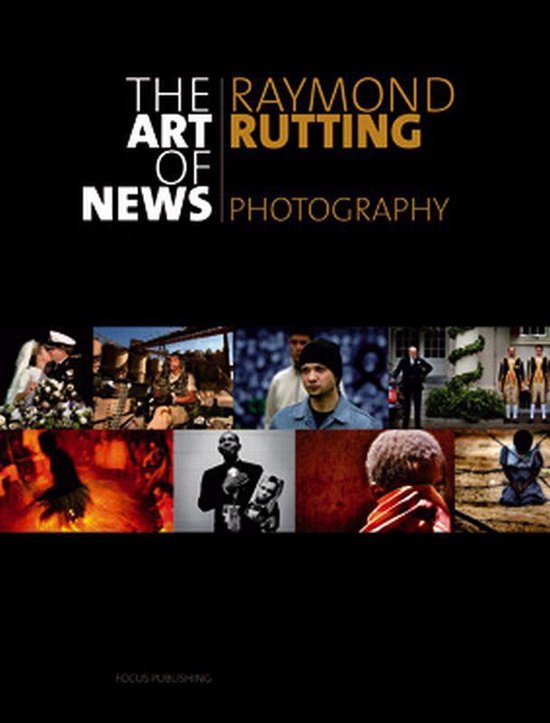
9789072216700 - The Art of News

The Art of News

The Art of News by J. van Swieten is a profound exploration into the evolving landscape of journalism, blending historical insights with contemporary analysis to dissect how news shapes public perception and societal norms. This book delves into the intricate processes behind news production, from the initial gathering of information by reporters to the final dissemination through various media channels, emphasizing the ethical responsibilities and challenges faced by journalists in an era dominated by digital transformation and misinformation. Van Swieten meticulously examines the impact of technological advancements, such as social media and artificial intelligence, on the speed and accuracy of news delivery, while also critiquing the commercial pressures that often compromise journalistic integrity. Through vivid case studies and interviews with industry experts, the author illustrates the delicate balance between objectivity and sensationalism, urging readers to become more critical consumers of news. The narrative is enriched with discussions on media literacy, the role of citizen journalism, and the global implications of news bias, making it an essential read for students, professionals, and anyone interested in understanding the forces that mold our daily information diet. With its engaging prose and well-researched content, The Art of News not only educates but also inspires a deeper appreciation for the craft of journalism, highlighting its pivotal role in fostering informed democracies and encouraging active civic engagement in an increasingly interconnected world.

Beschikbare exemplaren

€6.95
GOED
Auteur J. van Swieten
ISBN 9789072216700
Bindwijze Paperback
Tags media studies Journalism digital transformation news analysis ethical reporting

The Art of News by J. van Swieten receives high praise for its comprehensive and timely analysis of modern journalism, offering readers a nuanced perspective on the industry's strengths and weaknesses. One of the book's strongest points is its ability to demystify complex topics, such as the influence of algorithms on news curation, through clear and accessible language that appeals to both novices and experts alike. Van Swieten's use of real-world examples, including coverage of major events like elections and crises, effectively illustrates how news can both inform and mislead, fostering a critical mindset in readers. However, some weaknesses include a tendency to oversimplify certain ethical dilemmas, which might leave seasoned journalists wanting more depth, and a slight bias towards Western media models that could limit its global applicability. Additionally, while the book excels in historical context, it occasionally lacks forward-looking predictions about emerging trends, such as the rise of virtual reality in news reporting. Despite these minor flaws, the engaging narrative and thorough research make it a valuable resource, encouraging self-reflection on media consumption habits. Overall, this book is a compelling call to action for greater transparency and accountability in journalism, though readers should supplement it with diverse sources to gain a fully rounded understanding of the field's dynamic challenges and opportunities.

The Art of News by J. van Swieten provides a detailed summary of the book's narrative, which traces the evolution of journalism from its roots in print media to the digital age, highlighting key themes and developments. The story begins by exploring the historical foundations of news reporting, emphasizing how early newspapers shaped public opinion and laid the groundwork for modern ethical standards. As the narrative progresses, it delves into the transformative impact of television and the internet, discussing how these technologies have accelerated news cycles and introduced new challenges like fake news and echo chambers. Central to the book is the analysis of journalistic practices, including investigative reporting and the role of editors in maintaining accuracy, all while navigating economic pressures and political influences. Van Swieten weaves in personal anecdotes and case studies, such as coverage of environmental crises and political scandals, to illustrate the real-world implications of news dissemination. The summary concludes by addressing the future of journalism, advocating for increased media literacy and innovative approaches to sustain the industry's credibility. Throughout, the book emphasizes the importance of critical thinking and civic engagement, making it a thought-provoking journey that encourages readers to reflect on their own role in the news ecosystem and the broader societal impacts of information sharing.