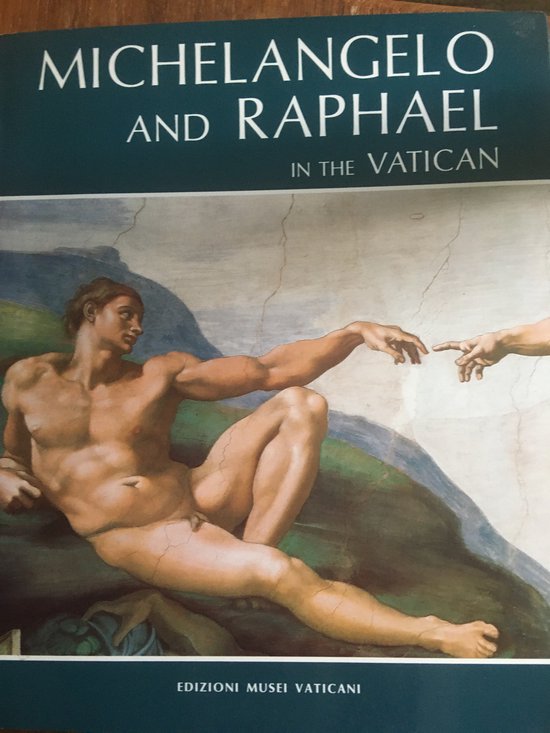
9788886921046 - Michelangelo and Raphael in the Vatican

Michelangelo and Raphael in the Vatican

Michelangelo and Raphael in the Vatican by Jorge Semprún is a profound exploration of the artistic and historical significance of two Renaissance masters within the sacred halls of the Vatican. This book delves deep into the lives and works of Michelangelo Buonarroti and Raphael Sanzio, whose contributions to art and culture have left an indelible mark on Western civilization. Semprún, known for his eloquent prose and scholarly insight, guides readers through the intricate details of masterpieces such as Michelangelo's Sistine Chapel ceiling and Raphael's Stanze di Raffaello, offering a rich narrative that intertwines art history with philosophical reflections. The author examines the political and religious contexts of the early 16th century, highlighting how the patronage of popes like Julius II and Leo X fueled an era of unprecedented creativity. Through vivid descriptions, Semprún brings to life the vibrant colors, dynamic compositions, and emotional depth of these artworks, making them accessible to both art enthusiasts and general readers. He explores themes of humanism, divinity, and the struggle for artistic expression, drawing parallels to contemporary issues of power and identity. The book also addresses the technical innovations of the artists, such as Michelangelo's use of fresco and Raphael's mastery of perspective, providing a comprehensive understanding of their methods. Semprún's engaging storytelling not only educates but also inspires a deeper appreciation for the Vatican's cultural heritage, making this work an essential resource for anyone interested in the Renaissance or the enduring legacy of these iconic figures.

Beschikbare exemplaren

€9.95
GOED
Auteur Jorge Semprún
ISBN 9788886921046
Bindwijze Paperback
Tags Renaissance art Raphael art biography Vatican History Michelangelo

Michelangelo and Raphael in the Vatican by Jorge Semprún receives high praise for its meticulous research and engaging narrative, though it has some minor shortcomings. The book excels in its detailed analysis of the artistic techniques and historical contexts, offering readers a vivid portrayal of the Renaissance era. Semprún's ability to weave together art history with personal anecdotes and philosophical insights makes the content both informative and thought-provoking, appealing to scholars and casual readers alike. However, some critics note that the dense academic language may be challenging for those unfamiliar with art terminology, potentially limiting its accessibility. Additionally, while the focus on the Vatican's role is comprehensive, there is occasional repetition in describing certain artworks, which could detract from the flow for some audiences. On the positive side, the inclusion of high-quality illustrations and Semprún's passionate writing style enhance the reading experience, bringing the masterpieces to life in a way that feels immediate and relevant. The book's exploration of themes like creativity and power dynamics adds depth, making it more than just a historical account. Despite these strengths, the lack of a broader comparative analysis with other Renaissance artists might leave some readers wanting more context. Overall, this work is a valuable addition to art literature, celebrated for its depth and inspiration, though it could benefit from a more balanced approach to cater to a wider audience.

Michelangelo and Raphael in the Vatican by Jorge Semprún provides a comprehensive summary of the intertwined lives and works of two Renaissance giants within the Vatican's artistic landscape. The book begins by setting the historical stage in early 16th-century Rome, where Pope Julius II's ambitious patronage led to the creation of iconic works like Michelangelo's Sistine Chapel ceiling and Raphael's School of Athens. Semprún narrates how Michelangelo, a sculptor at heart, reluctantly took on the fresco project, resulting in a masterpiece that depicts biblical stories with unparalleled drama and humanity. Simultaneously, Raphael's frescoes in the papal apartments showcase his genius for harmony and classical ideals, reflecting the intellectual fervor of the time. The story delves into the rivalries and collaborations between the artists, highlighting their distinct styles—Michelangelo's intense, muscular figures versus Raphael's graceful, balanced compositions. Key events include the completion of the Sistine Chapel in 1512 and Raphael's untimely death in 1520, which marked the end of an era. Semprún explores the lasting impact of these works on art and culture, emphasizing how they embody the Renaissance spirit of inquiry and beauty. Through detailed accounts, the book reveals the personal struggles and triumphs of the artists, making it a compelling tale of creativity and legacy that continues to inspire awe and admiration in visitors to the Vatican today.