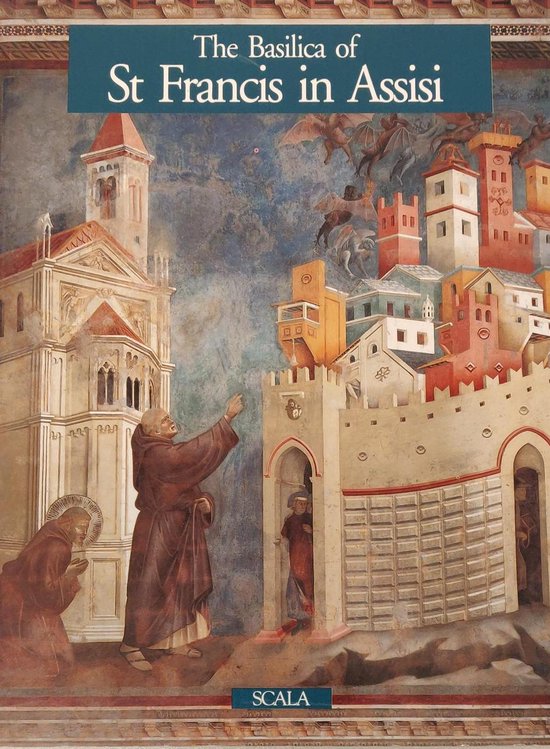
9788881172757 - The basilica of St Francis in Assisi

The basilica of St Francis in Assisi

The Basilica of St. Francis in Assisi, authored by Elvio Lunghi, is a comprehensive exploration of one of Italy's most revered religious sites, delving into its historical, architectural, and artistic significance. This book serves as an essential guide for art historians, pilgrims, and travelers, offering detailed insights into the basilica's construction in the 13th century, which was initiated to honor St. Francis of Assisi, the founder of the Franciscan Order. Lunghi meticulously examines the basilica's unique structure, comprising the Upper and Lower Churches, each adorned with masterpieces by renowned artists such as Giotto, Cimabue, and Simone Martini, whose frescoes depict the life of St. Francis and other biblical narratives with profound emotional depth and innovation. The narrative traces the basilica's evolution through centuries, including its role as a pilgrimage destination, the impact of various restorations, and its resilience through natural disasters like earthquakes, which have shaped its current form. Readers will appreciate the in-depth analysis of the basilica's Gothic and Romanesque elements, the symbolism embedded in its art, and its influence on Western Christian architecture. Additionally, the book covers the cultural and spiritual context of Assisi, highlighting how the basilica embodies the ideals of poverty, humility, and devotion central to Franciscan teachings. With rich illustrations and scholarly research, Lunghi provides a vivid portrayal that not only educates but also inspires a deeper appreciation for this UNESCO World Heritage site, making it an invaluable resource for anyone interested in medieval art, religious history, or Italian cultural heritage.

Beschikbare exemplaren

€8.95
GOED
Auteur Elvio Lunghi
ISBN 9788881172757
Bindwijze Paperback
Tags St. Francis Basilica Assisi Elvio Lunghi medieval architecture Franciscan art

Elvio Lunghi's The Basilica of St. Francis in Assisi is a masterful work that excels in its detailed scholarship and engaging narrative, making it a standout resource for both experts and general readers. One of its strongest points is the author's ability to weave together historical facts, architectural analysis, and artistic interpretations into a cohesive and accessible text, allowing readers to grasp the basilica's multifaceted importance without feeling overwhelmed. Lunghi's deep expertise shines through in sections that explore the fresco cycles by Giotto and others, offering fresh insights into their iconography and the ways they reflect the spiritual fervor of the Franciscan movement. However, a minor weakness lies in the occasional dense academic language, which might deter casual readers seeking a lighter overview; for instance, discussions on specific restoration techniques could benefit from more simplified explanations. Despite this, the book's comprehensive coverage of the basilica's resilience through events like the 1997 earthquake adds a compelling layer of modern relevance, emphasizing its enduring legacy. The inclusion of high-quality images and maps enhances the reading experience, though some readers might wish for even more visual aids to complement the detailed descriptions. Overall, this book is highly recommended for its thorough research and ability to evoke the sacred atmosphere of Assisi, though those new to the subject might pair it with a more introductory guide to fully appreciate its depth.

The Basilica of St. Francis in Assisi by Elvio Lunghi provides a detailed summary of the basilica's entire story, from its origins in the 13th century as a tribute to St. Francis to its status as a global pilgrimage site and artistic treasure. The book begins by recounting the life of St. Francis and the immediate decision to build the basilica after his death, highlighting its dual-church design with the Lower Church serving as his tomb and the Upper Church featuring expansive fresco cycles. It then delves into the artistic contributions of masters like Giotto, whose frescoes in the Upper Church narrate the life of St. Francis with unprecedented realism and emotional intensity, revolutionizing medieval art. The narrative progresses through the centuries, covering periods of expansion, decay, and meticulous restorations, including the significant repairs after the 1997 earthquake that tested the basilica's structural integrity. Lunghi emphasizes the basilica's role in spreading Franciscan ideals, its influence on European architecture, and its recognition as a UNESCO World Heritage site, underscoring its cultural and spiritual impact. The summary concludes by reflecting on the basilica's ongoing significance in contemporary times, attracting millions of visitors annually and serving as a symbol of peace and devotion, making this book an essential chronicle of a monument that continues to inspire faith and artistry worldwide.