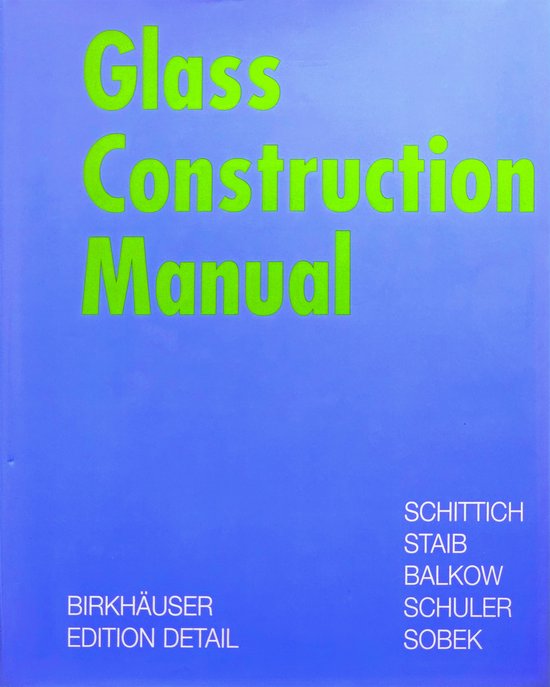
9783764360771 - Glass Construction Manual

Glass Construction Manual

The 'Glass Construction Manual' by Christian Schittich is an authoritative reference for architects, engineers, and construction professionals. This comprehensive volume delves into the principles and practices of glass as a structural material, covering everything from material properties to advanced design techniques. The book explores the evolution of glass in architecture, from traditional windows to modern curtain walls and load-bearing structures. It provides detailed insights into glass types, including float glass, tempered glass, laminated glass, and insulated glass units, along with their specific applications. The manual also addresses crucial aspects such as thermal performance, safety, and sustainability. With over 300 illustrations and case studies from renowned projects worldwide, it offers practical guidance on detailing, connections, and installation. The book discusses the integration of glass with other materials like steel and concrete, and explores innovative uses such as glass floors, roofs, and facades. It also covers advancements in smart glass technologies, including electrochromic and photovoltaic glass. The 'Glass Construction Manual' is an indispensable tool for anyone involved in the design and construction of glass structures, providing both theoretical knowledge and practical solutions. It emphasizes the importance of collaboration between architects and engineers to achieve optimal results. The manual includes contributions from leading experts and presents best practices for energy-efficient building envelopes. Whether you are a student or a seasoned professional, this book will enhance your understanding of glass as a structural element and inspire creative applications. Its thorough coverage of standards and regulations ensures compliance with international building codes. The 'Glass Construction Manual' is not just a technical guide; it is a source of inspiration for pushing the boundaries of architectural design with glass.

Beschikbare exemplaren

€39.95
GOED
Auteur Christian Schittich
ISBN 9783764360771
Bindwijze Hardcover
Tags Architecture glass construction structural engineering building materials Christian Schittich

Christian Schittich's 'Glass Construction Manual' is a must-have for any architecture or engineering library. The book excels in its comprehensive coverage of glass as a structural material, offering both depth and breadth. One of its strongest points is the integration of theoretical concepts with practical applications, supported by high-quality diagrams and photographs. The case studies are particularly enlightening, showcasing innovative projects from around the globe. However, the manual can be dense for beginners, assuming a certain level of technical knowledge. Some readers might find the sections on material science overly detailed, while others may wish for more on emerging technologies like dynamic glazing. The organization is logical, but the sheer volume of information can be overwhelming. The book's emphasis on European standards is a strength, but it may not fully address regional variations in other parts of the world. The writing style is clear and professional, though occasionally dry. Overall, the 'Glass Construction Manual' is an invaluable resource for professionals seeking a deep understanding of glass construction. It successfully bridges the gap between architectural vision and engineering reality. Despite minor shortcomings, it remains a definitive guide in its field. The book encourages a holistic approach to design, considering aesthetics, performance, and sustainability. It is a reference that will be consulted repeatedly, offering new insights with each reading. For those serious about glass architecture, this manual is an essential investment.

The 'Glass Construction Manual' by Christian Schittich provides a thorough examination of glass as a structural material in architecture. The book begins with an introduction to the history of glass in building, tracing its development from ancient times to modern innovations. It then delves into the physical and chemical properties of glass, explaining how these influence its behavior under different loads and environmental conditions. The manual categorizes various types of glass, such as annealed, heat-strengthened, and chemically strengthened glass, detailing their manufacturing processes and applications. A significant portion of the book is dedicated to design principles, including structural analysis, connection details, and thermal performance. It explores the use of glass in facades, roofs, floors, and other structural elements, with numerous examples from built projects. The manual also addresses safety considerations, such as impact resistance and fire protection, and discusses sustainability aspects like recyclability and energy efficiency. Advanced topics include laminated glass, insulating glass units, and glass with integrated functions like solar control and self-cleaning surfaces. The book concludes with a look at future trends, including smart glass and building-integrated photovoltaics. Throughout, the emphasis is on practical guidance, supported by technical data and design tables. The 'Glass Construction Manual' serves as both a textbook and a reference, making it suitable for students and practitioners alike. It encourages a collaborative approach between architects and engineers to achieve innovative and safe glass structures.