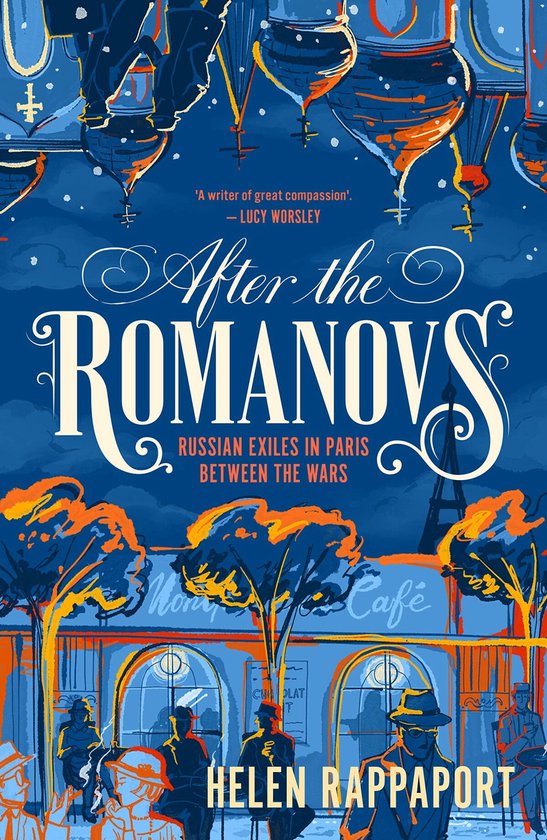
9781914484292 - After the Romanovs

After the Romanovs

After the Romanovs by Helen Rappaport is a meticulously researched historical narrative that delves into the tumultuous aftermath of the Russian Revolution, focusing on the lives of the Romanov family and those who survived or were affected by their downfall. The book explores the exile, struggles, and eventual fates of various figures, including aristocrats, servants, and revolutionaries, painting a vivid picture of a world in chaos. Rappaport's engaging prose brings to life the personal stories and historical events, making it accessible to both scholars and general readers interested in Russian history.

Through detailed accounts and archival sources, the author examines how the Romanovs' legacy influenced global politics and cultural shifts in the 20th century. The narrative not only covers the immediate consequences of the revolution but also traces the long-term impacts on modern Russia and beyond. Readers will find themselves immersed in a tale of betrayal, resilience, and the quest for identity in a rapidly changing world.

This book serves as an essential resource for understanding the complexities of post-imperial Russia, offering insights into how historical events shape contemporary societies. With its rich storytelling and factual depth, After the Romanovs stands out as a compelling read that bridges the gap between academic history and popular narrative.

Beschikbare exemplaren

€12.95
ALS NIEUW
Auteur Helen Rappaport
ISBN 9781914484292
Bindwijze Hardcover
Tags historical non-fiction Russian history Romanov Family Helen Rappaport Revolution Aftermath

After the Romanovs by Helen Rappaport receives high praise for its thorough research and engaging narrative style, which makes complex historical events accessible and compelling. The book's strengths lie in its detailed character portrayals and the way it humanizes the figures involved, providing a nuanced perspective on their struggles and triumphs. However, some critics note that the dense historical details might overwhelm casual readers, and the pacing can feel slow in sections focused on lesser-known individuals.

On the positive side, Rappaport's ability to weave together multiple storylines creates a cohesive and immersive experience, highlighting the interconnectedness of personal and political histories. The inclusion of rare photographs and documents adds authenticity and depth, enhancing the reader's understanding. Weaknesses include occasional repetition of facts and a tendency to assume prior knowledge of Russian history, which could alienate newcomers to the subject.

Overall, the book is highly recommended for history enthusiasts and those seeking a deeper understanding of the Romanov era's aftermath, despite minor flaws in accessibility. It balances scholarly rigor with storytelling flair, making it a valuable addition to any historical library.

After the Romanovs by Helen Rappaport chronicles the dramatic events following the fall of the Russian monarchy, beginning with the execution of the Romanov family and extending into the lives of survivors and those impacted by the revolution. The narrative follows key figures such as exiled aristocrats, loyal servants, and emerging political leaders as they navigate a world shattered by war and ideological shifts. Rappaport details their journeys across Europe and beyond, exploring themes of loss, adaptation, and the search for new identities in the wake of imperial collapse.

Through personal anecdotes and historical analysis, the book reveals how the Romanovs' legacy influenced international relations, cultural movements, and individual destinies. It covers pivotal moments like the rise of the Soviet Union, the spread of Russian émigré communities, and the ongoing fascination with the royal family's fate. The story culminates in reflections on how these historical threads continue to resonate in modern times, offering lessons on resilience and the enduring impact of power and tragedy.

This summary encapsulates the book's exploration of human endurance and historical transformation, providing a comprehensive overview that appeals to readers interested in the intricate tapestry of 20th-century history.