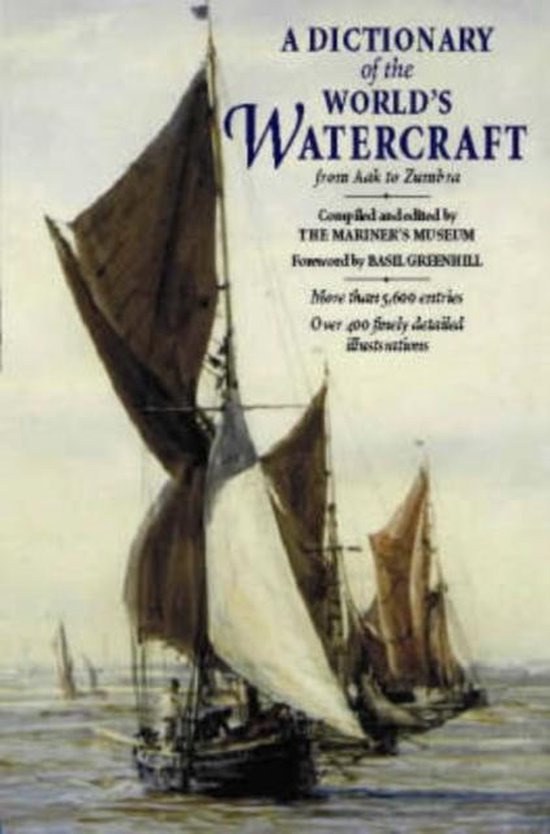
9781861761828 - The Dictionary of the World's Watercraft

The Dictionary of the World's Watercraft

The Dictionary of the World's Watercraft by M. Parry is an exhaustive and meticulously researched reference work that delves into the vast and varied world of maritime vessels from every corner of the globe. This comprehensive volume covers everything from ancient dugout canoes and traditional sailing ships to modern naval warships and specialized industrial boats, offering detailed entries on each type of watercraft. Each entry includes historical context, design specifications, cultural significance, and notable examples, making it an invaluable resource for historians, maritime enthusiasts, and model builders alike. The book is richly illustrated with photographs, diagrams, and maps that enhance understanding and bring the text to life, providing visual aids that complement the dense informational content. Parry's writing is both authoritative and accessible, ensuring that readers of all knowledge levels can appreciate the depth of information presented without feeling overwhelmed. The Dictionary of the World's Watercraft not only serves as a factual guide but also explores the evolution of shipbuilding techniques and the impact of technological advancements on maritime travel and trade. It highlights how different cultures have adapted their watercraft to local environments, from the icy waters of the Arctic to the tropical rivers of Southeast Asia, showcasing human ingenuity across millennia. This book is an essential addition to any nautical library, offering insights that bridge academic study and practical interest in maritime heritage.

Beschikbare exemplaren

€9.95
ALS NIEUW
€11.95
ALS NIEUW
.
Auteur M. Parry
ISBN 9781861761828
Bindwijze Hardcover
Tags maritime history Ship Design watercraft reference nautical encyclopedia global vessels

The Dictionary of the World's Watercraft by M. Parry receives high praise for its thoroughness and scholarly depth, making it a standout reference in maritime literature. Its strengths lie in the extensive coverage of watercraft types, from obscure indigenous boats to famous historical ships, all presented with clear, engaging prose that avoids overly technical jargon. The inclusion of high-quality illustrations and photographs greatly enhances the reader's experience, providing visual context that aids in understanding complex designs and historical contexts. However, some weaknesses include the dense nature of the content, which might be overwhelming for casual readers, and the occasional lack of in-depth analysis on certain vessels, leaving enthusiasts wanting more detailed narratives. Additionally, the book's focus on breadth over depth means that some entries are brief, potentially limiting its utility for specialized researchers seeking exhaustive details on specific watercraft. Despite these minor drawbacks, the book excels in its organizational structure, with alphabetical entries that facilitate easy navigation, and it serves as an excellent starting point for further exploration. Overall, it is highly recommended for anyone with a serious interest in nautical history, though beginners might benefit from supplementary materials to fully appreciate the wealth of information presented.

The Dictionary of the World's Watercraft by M. Parry provides a comprehensive overview of maritime vessels throughout history, detailing their designs, uses, and cultural impacts across different societies. The book is organized alphabetically, with entries ranging from ancient Egyptian papyrus boats and Viking longships to modern submarines and cargo ships, each describing key features, historical significance, and technological innovations. It explores how watercraft have evolved in response to environmental challenges, trade needs, and warfare, highlighting notable examples like the Chinese junks, Polynesian catamarans, and European clipper ships. Parry delves into the materials and construction methods used in various eras, from wood and sail to steel and steam, illustrating the progression of naval architecture. The narrative also touches on the role of watercraft in exploration, colonization, and global connectivity, emphasizing their importance in shaping human history. Through detailed descriptions and supporting visuals, the book paints a vivid picture of maritime diversity, making it an engaging read for those interested in how boats and ships have influenced economic, social, and cultural developments worldwide.