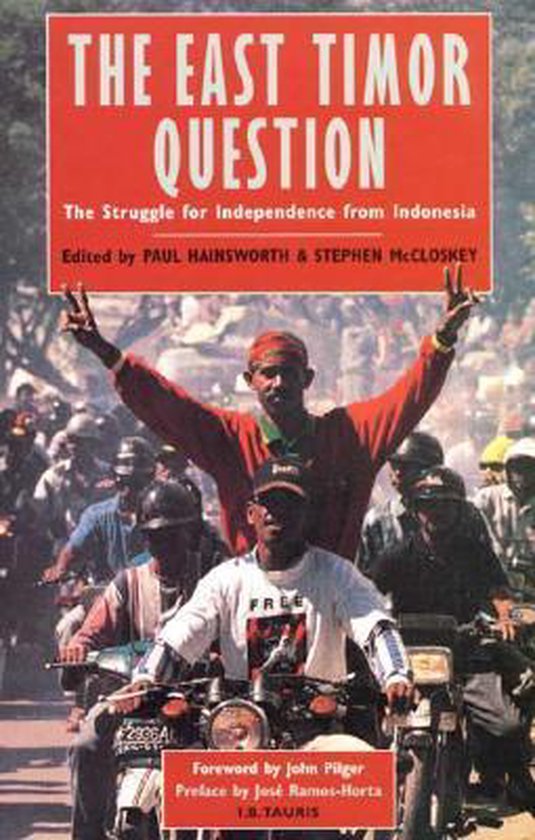
9781860644085 - The East Timor Question

The East Timor Question

The East Timor Question by Stephen Mccloskey is a profound exploration of the historical, political, and social dynamics surrounding East Timor's struggle for independence from Indonesian occupation, published with ISBN 9781860644085. This book meticulously details the complex interplay of international diplomacy, local resistance movements, and human rights issues that defined the region's tumultuous path to sovereignty. Mccloskey, drawing on extensive research and firsthand accounts, provides a comprehensive analysis of the key events, such as the 1975 invasion by Indonesia and the subsequent decades of conflict, highlighting the resilience of the East Timorese people and the global community's often-ambivalent response. The narrative delves into the roles of various stakeholders, including the United Nations, neighboring countries, and non-governmental organizations, in shaping the outcome of the independence referendum in 1999. Through vivid descriptions and critical insights, the author examines the economic exploitation, cultural suppression, and violent repression faced by East Timor, while also celebrating the eventual triumph of self-determination and the challenges of nation-building post-independence. This work serves as an essential resource for scholars, students, and anyone interested in Southeast Asian history, decolonization processes, and the enduring quest for justice in post-conflict societies. By presenting a balanced yet impassioned account, Mccloskey not only educates readers on the specifics of the East Timor case but also invites reflection on broader themes of imperialism, human dignity, and the power of collective action in the face of adversity, making it a timeless addition to the literature on global political movements.

Beschikbare exemplaren

€13.95
GOED
Auteur Stephen Mccloskey
ISBN 9781860644085
Bindwijze Paperback
Tags Historical Analysis East Timor Independence Indonesian Occupation Stephen Mccloskey

The East Timor Question by Stephen Mccloskey is a compelling and well-researched book that offers a thorough examination of East Timor's journey to independence, though it has both notable strengths and weaknesses. On the positive side, Mccloskey's meticulous use of primary sources and interviews provides an authentic and detailed narrative that brings the human stories of struggle and resilience to life, making the complex political history accessible to a broad audience. His analysis of international actors, such as the United Nations and major powers, is insightful, revealing the often-contradictory roles they played in either supporting or hindering East Timor's self-determination. However, the book's dense academic style may be challenging for casual readers, as it occasionally delves into intricate details that could overwhelm those unfamiliar with Southeast Asian politics. Additionally, while the author's passion for the subject is evident, some critics might argue that the portrayal leans towards a sympathetic bias, potentially overlooking nuances in Indonesian perspectives or the complexities of governance post-independence. Despite these minor flaws, the work excels in highlighting the ethical dimensions of the conflict and the importance of global solidarity, with vivid descriptions of key events like the Santa Cruz massacre that evoke strong emotional responses. Overall, this book is a valuable contribution to historical literature, praised for its depth and educational value, but readers should be prepared for its scholarly tone and consider supplementing it with other sources for a more rounded view of the multifaceted issues involved.

The East Timor Question by Stephen Mccloskey provides a comprehensive summary of East Timor's arduous path to independence, beginning with its colonial history under Portugal and the abrupt shift to Indonesian occupation in 1975. The book chronicles the decades of resistance led by groups like FRETILIN, detailing key events such as the Dili massacre and the pivotal 1999 referendum, where the East Timorese people overwhelmingly voted for sovereignty despite widespread violence and intimidation. Mccloskey explores the international community's involvement, including the roles of Australia, the United States, and the United Nations, in mediating the conflict and eventually facilitating peacekeeping and nation-building efforts. Central themes include the struggle for human rights, the impact of economic exploitation on local communities, and the cultural resilience that sustained the independence movement through years of oppression. The narrative culminates in East Timor's official independence in 2002, examining the subsequent challenges of establishing a stable government, addressing past atrocities, and fostering reconciliation in a war-torn society. Through a detailed account of political maneuvers, personal testimonies, and historical analysis, the book emphasizes the significance of this case study in understanding broader issues of decolonization, self-determination, and the ethical responsibilities of global powers. It serves as an essential overview for readers seeking to grasp the full scope of East Timor's transformation from a contested territory to a sovereign nation, highlighting both the triumphs and ongoing struggles in its post-independence era.