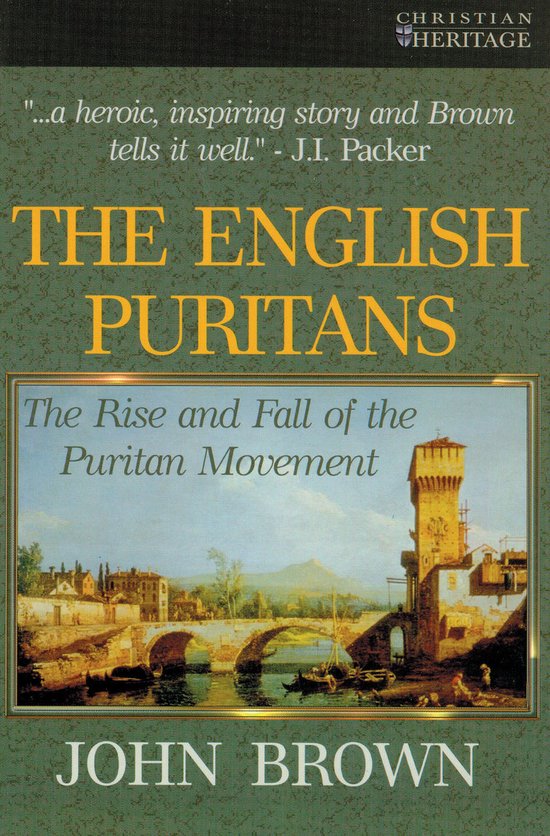
9781857924183 - The English Puritans

The English Puritans

The English Puritans by John Brown is an authoritative exploration of one of the most influential movements in English history. This book delves into the rise of Puritanism in the 16th and 17th centuries, examining its religious, political, and social dimensions. Brown meticulously traces the origins of the Puritan movement from its roots in the English Reformation, through the tumultuous years of the Civil War and Interregnum, to its lasting impact on English society and beyond. The book offers a balanced perspective, highlighting both the fervent piety and the controversial actions of the Puritans. Brown discusses key figures such as John Calvin, Thomas Cartwright, and Oliver Cromwell, and explores the Puritans' quest for a purified church, their emphasis on preaching and scripture, and their role in shaping English identity. The author also addresses the darker aspects of Puritanism, including its intolerance and the excesses of the Commonwealth period. The book is rich in primary sources, including sermons, diaries, and political tracts, which bring the era to life. Brown's writing is clear and engaging, making complex theological and historical concepts accessible to a general audience. This work is essential for anyone interested in understanding the religious currents that shaped modern England and America. It provides a comprehensive overview that will satisfy both scholars and casual readers seeking to comprehend the Puritan legacy. The book's detailed analysis of Puritan theology, church governance, and social ethics offers valuable insights into the enduring influence of this movement on Western civilization.

Beschikbare exemplaren

€17.95
GOED
Auteur John Brown
ISBN 9781857924183
Bindwijze Paperback
Tags Christianity John Brown English Reformation English Puritans Puritan history

John Brown's The English Puritans is a masterful synthesis of scholarship that offers a comprehensive and nuanced view of Puritanism. One of the book's greatest strengths is its balanced approach: Brown neither glorifies nor vilifies the Puritans, but presents them as complex individuals driven by both sincere faith and human fallibility. The author's use of primary sources, including personal letters and diaries, adds a vivid, human dimension to the narrative. The book also excels in contextualizing Puritanism within the broader political and social upheavals of the time, such as the English Civil War and the establishment of the Commonwealth. However, the work is not without weaknesses. Some readers may find the level of detail overwhelming, particularly in the sections on theological disputes. Additionally, while Brown covers the major figures and events, he could have devoted more attention to the role of women and ordinary believers in the movement. The writing style, though clear, can be somewhat dry in places, lacking the narrative flair of some popular histories. Despite these minor flaws, The English Puritans remains a valuable resource for students and enthusiasts of religious history. Brown's ability to distill complex ideas into accessible prose makes this book a solid choice for those new to the subject, while his thorough research ensures it will also satisfy seasoned scholars. Overall, this is a commendable work that provides a thorough understanding of Puritanism's origins, development, and legacy.

The English Puritans by John Brown chronicles the rise and impact of Puritanism from the 16th to the 17th century. The book begins by setting the stage with the English Reformation, explaining how the Church of England's compromises left many dissatisfied. The Puritans emerged as a reform movement seeking to purify the church from what they saw as remnants of Catholicism. Brown explores the early leaders and their campaigns for further reformation, including the Admonition Controversy and the rise of Presbyterianism. The narrative then moves to the reign of James I, where Puritan hopes for reform were dashed, leading to emigration to New England. Under Charles I, tensions escalated with Archbishop Laud's repressive policies, pushing Puritans toward revolution. The book details the Puritans' role in the Civil War, their dominance in Parliament, and the execution of Charles I. The Interregnum period under Oliver Cromwell is examined, highlighting the Puritans' attempts to impose godly rule and the internal divisions among them. Brown also covers the Restoration and the subsequent persecution of Puritans, known as Nonconformists, under the Clarendon Code. The final chapters assess the lasting legacy of Puritanism, including its influence on American religion, democracy, and culture. Throughout, Brown emphasizes the Puritans' commitment to scripture, preaching, and moral discipline, while also acknowledging their intolerance and the darker episodes of their rule. The book concludes by reflecting on how Puritan ideals shaped the modern world, particularly in the areas of individual conscience, work ethic, and political liberty. The English Puritans is a comprehensive and engaging account of a movement that left an indelible mark on history.