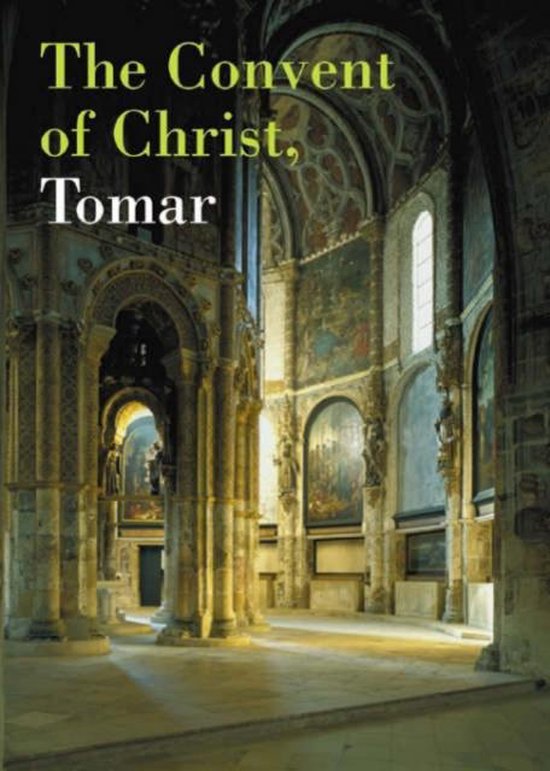
9781857593839 - The Convent of Christ Tomar

The Convent of Christ Tomar

The Convent of Christ Tomar, authored by the esteemed Paulo Pereira, stands as a monumental work that delves into the rich historical and architectural tapestry of the Convent of Christ in Tomar, Portugal. This comprehensive book offers an in-depth exploration of the convent's origins, tracing its roots back to the 12th century when it was founded by the Knights Templar, and its evolution under the Order of Christ. Pereira masterfully guides readers through the intricate details of the convent's design, highlighting the fusion of Romanesque, Gothic, Manueline, and Renaissance styles that make it a UNESCO World Heritage site. The narrative is enriched with vivid descriptions of key features such as the Charola, the Chapter House, and the Cloisters, providing readers with a sensory journey through time. Beyond architecture, the book examines the convent's role in Portuguese history, including its connections to the Age of Discoveries and figures like Prince Henry the Navigator. Pereira's meticulous research is evident in the inclusion of archival documents, photographs, and maps that bring the past to life, making this book an invaluable resource for historians, architects, and travel enthusiasts alike. The prose is engaging and accessible, ensuring that even those unfamiliar with the subject can appreciate the convent's significance. With its detailed analysis and captivating storytelling, this book not only educates but also inspires a deeper appreciation for cultural heritage, making it a must-read for anyone interested in European history and art.

Beschikbare exemplaren

€10.95
GOED
Naam op voorblad geschreven. Verder is het boek in prima staat.
Auteur Paulo Pereira
ISBN 9781857593839
Bindwijze Paperback
Tags Architecture medieval art Portuguese History Knights Templar UNESCO Heritage

The Convent of Christ Tomar by Paulo Pereira receives high praise for its exhaustive research and eloquent prose, which vividly brings the historical site to life. One of its strongest points is the author's ability to weave together architectural analysis with historical context, offering readers a holistic understanding of the convent's significance. Pereira's descriptions are richly detailed, allowing one to visualize the intricate Manueline decorations and the solemn beauty of the Charola, making it feel as if you are walking through the halls yourself. However, some critics note that the book's dense academic tone might be challenging for casual readers, potentially limiting its appeal to a broader audience. Additionally, while the inclusion of numerous photographs and maps is a definite strength, enhancing the visual experience, the lack of a more narrative-driven approach could make certain sections feel dry or overly technical. On the positive side, the book excels in its coverage of the convent's role in Portuguese expansion, linking it seamlessly to global historical events, which adds depth and relevance. Weaknesses include occasional repetition in descriptions and a focus that sometimes leans too heavily on architectural details at the expense of human stories. Overall, this work is a commendable effort that serves as an essential reference, though it could benefit from a more balanced pacing to engage all types of readers effectively.

The Convent of Christ Tomar by Paulo Pereira provides a comprehensive summary of the convent's history, from its establishment by the Knights Templar in the 12th century to its prominence under the Order of Christ. The book begins by detailing the architectural marvels of the site, including the iconic Rotunda or Charola, which served as a Templar oratory, and the later additions that showcase Manueline artistry, such as the famous Window of the Chapter House. Pereira narrates the convent's evolution through various historical periods, emphasizing its strategic role during the Age of Discoveries, where it became a center for planning Portugal's maritime expeditions. Key events covered include the transfer of the Templar assets to the Order of Christ, the influence of Prince Henry the Navigator, and the convent's eventual decline and restoration. The summary highlights how the building reflects Portugal's cultural and religious shifts, with sections dedicated to the cloisters, refectory, and dormitories that illustrate daily monastic life. Throughout, Pereira connects the convent's physical structure to broader historical narratives, such as the Crusades and the expansion of Christianity, making it a story of faith, power, and artistry. The book concludes by discussing the convent's modern-day status as a UNESCO site, underscoring its enduring legacy and the importance of preservation efforts for future generations.