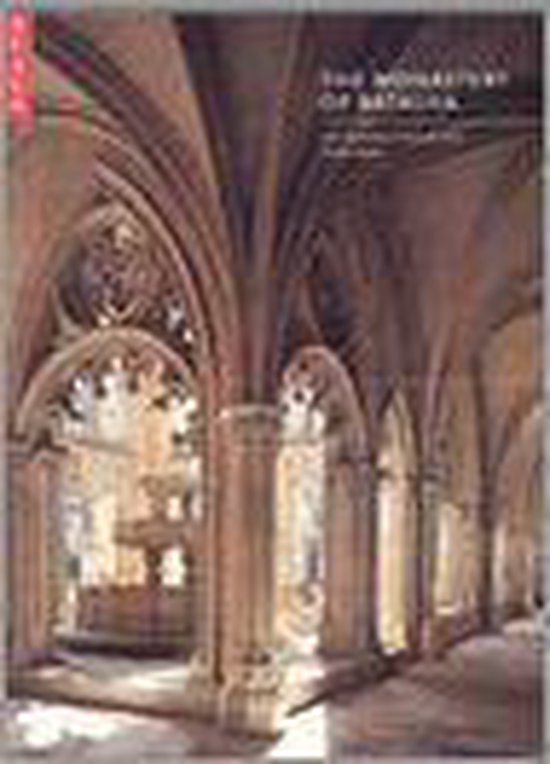
9781857593822 - The Monastery of Batalha

The Monastery of Batalha

The Monastery of Batalha, authored by Jose Custfidio Vieira Da Silva, is a masterful exploration of one of Portugal's most iconic Gothic monuments, offering readers an in-depth look into its historical, architectural, and cultural significance. This comprehensive book delves into the monastery's origins, tracing its construction back to the late 14th century under King John I to commemorate the Portuguese victory at the Battle of Aljubarrota, and it vividly describes the evolution of its design through various phases, including the addition of the Founder's Chapel and the Unfinished Chapels. Through detailed narratives, the author examines the intricate Manueline and Flamboyant Gothic styles that define the structure, highlighting the skilled craftsmanship of architects like Afonso Domingues and Huguet, and it explores the symbolic elements embedded in the stonework, such as maritime motifs that reflect Portugal's Age of Discoveries. The book also covers the monastery's role in Portuguese history, from serving as a royal pantheon to its restoration efforts in the 19th and 20th centuries, and it discusses its designation as a UNESCO World Heritage site, emphasizing its global importance. Richly illustrated with photographs and diagrams, this work provides insights into the daily life of monks, the political contexts that shaped its construction, and comparisons with other European monastic complexes, making it an essential resource for historians, architects, and travelers alike. By weaving together archival research and personal anecdotes, Da Silva creates a compelling portrait that not only educates but also inspires appreciation for this architectural marvel, ensuring that readers gain a holistic understanding of its enduring legacy in Portuguese heritage and beyond.

Beschikbare exemplaren

€10.95
GOED
Naam op voorblad geschreven. Verder is het boek in prima staat.
Auteur Jose Custfidio Vieira Da Silva
ISBN 9781857593822
Bindwijze Paperback
Tags UNESCO World Heritage Portuguese History Gothic architecture medieval monasteries architectural history

The Monastery of Batalha by Jose Custfidio Vieira Da Silva receives high praise for its meticulous research and engaging prose, making it a standout contribution to architectural literature. One of its strongest points is the author's ability to blend historical facts with vivid storytelling, which brings the monastery's rich past to life and makes complex architectural concepts accessible to a broad audience, from scholars to casual readers. The inclusion of high-quality images and detailed diagrams enhances the narrative, allowing readers to visualize the intricate details of the Gothic and Manueline styles, and the book excels in contextualizing the monastery within Portugal's broader cultural and political history, offering insights that go beyond mere description. However, some weaknesses include a occasional overemphasis on technical jargon in certain sections, which might alienate readers without a background in architecture, and the pacing can feel slow in parts that delve deeply into restoration techniques, potentially reducing engagement for those seeking a more narrative-driven approach. Despite this, the book's comprehensive coverage of the Unfinished Chapels and the symbolic meanings behind the carvings is particularly commendable, as it sheds light on lesser-known aspects of the site, and the author's passion for the subject is evident throughout, fostering a sense of wonder and respect. Overall, while it may not be the quickest read, its depth and accuracy make it an invaluable resource, though a slight expansion on the human stories behind the construction could have added more emotional resonance. In sum, this work is highly recommended for anyone interested in European heritage, despite minor flaws in accessibility.

The Monastery of Batalha, written by Jose Custfidio Vieira Da Silva, provides a thorough summary of the monastery's complete story, from its inception in the late 14th century as a vow by King John I after the Battle of Aljubarrota to its current status as a UNESCO World Heritage site. The narrative begins with the initial construction under architect Afonso Domingues, detailing the Gothic foundations and the subsequent additions by Huguet, which introduced the elaborate Manueline style characterized by maritime symbols reflecting Portugal's exploratory era. It covers the key phases of development, including the completion of the Founder's Chapel, which houses the tombs of King John I and his wife, Philippa of Lancaster, and the ambitious but never-finished Imperfect Chapels, symbolizing the unfulfilled dreams of later monarchs. The book describes the monastery's role as a Dominican convent and royal mausoleum, highlighting significant events such as royal burials, religious ceremonies, and the impact of wars and natural disasters over the centuries. Restoration efforts in the 19th and 20th centuries are explored, emphasizing the challenges in preserving the stonework and the international collaborations that helped maintain its grandeur. Throughout, Da Silva weaves in cultural and historical contexts, such as the influence of the Age of Discoveries on architectural motifs, and concludes with the monastery's modern significance as a tourist attraction and symbol of Portuguese resilience, offering readers a cohesive understanding of its journey from a medieval monument to a cherished global landmark.