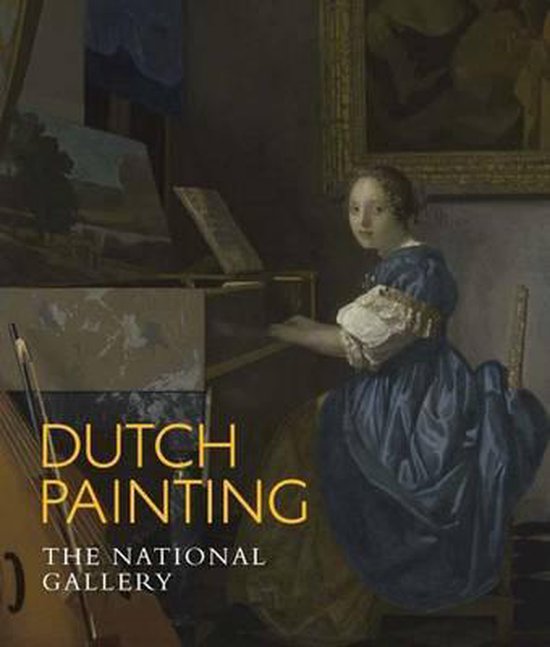
9781857093582 - Dutch Painting

Dutch Painting

Dutch Painting by Marjorie E. Wieseman is a masterful exploration of the rich and diverse world of Dutch art from the Golden Age, a period spanning the 17th century that saw the Netherlands emerge as a global economic and cultural powerhouse. This comprehensive volume delves into the intricate details of paintings that capture everyday life, landscapes, still lifes, and portraiture with unparalleled realism and emotional depth. Wieseman, a renowned curator and art historian, guides readers through the historical context, artistic techniques, and societal influences that shaped this era, highlighting how Dutch artists like Rembrandt van Rijn, Johannes Vermeer, and Frans Hals revolutionized the art world with their innovative use of light, shadow, and composition. The book is richly illustrated with high-quality reproductions, allowing readers to appreciate the subtle textures and vibrant colors that define these masterpieces. It examines themes such as the rise of the middle class, the impact of trade and colonialism, and the role of religion in art, providing a nuanced understanding of how these factors intertwined to produce some of the most iconic works in Western art history. Wieseman's engaging prose makes complex art historical concepts accessible to both scholars and general readers, offering insights into the symbolism and narratives behind famous paintings like The Night Watch and Girl with a Pearl Earring. This book serves as an essential resource for anyone interested in art history, Dutch culture, or the enduring legacy of the Golden Age, making it a valuable addition to any collection.

Beschikbare exemplaren

€10.95
GOED
Naam op voorblad geschreven. Verder is het boek in goede staat.
Auteur Marjorie E. Wieseman
ISBN 9781857093582
Bindwijze Paperback
Tags Art History Rembrandt Dutch Golden Age Vermeer Marjorie E. Wieseman

Dutch Painting by Marjorie E. Wieseman receives high praise for its thorough and accessible approach to Dutch Golden Age art, though it has a few minor drawbacks. On the positive side, the book excels in its detailed analysis and vivid descriptions, which bring the artworks to life for readers of all backgrounds. Wieseman's expertise shines through as she seamlessly blends historical context with artistic critique, offering fresh perspectives on well-known pieces and introducing lesser-known gems. The inclusion of high-quality images enhances the reading experience, allowing for a deeper appreciation of the techniques and themes discussed. However, some readers might find the focus overly centered on famous artists, potentially overlooking contributions from female or regional painters, which could have added more diversity to the narrative. Additionally, while the writing is engaging, the dense information might be overwhelming for complete beginners in art history, suggesting that a more gradual introduction to certain concepts could improve accessibility. Despite these points, the book's strengths far outweigh its weaknesses, as it provides a comprehensive overview that is both educational and inspiring. It encourages readers to look beyond the surface of paintings and consider the societal and personal stories embedded within, making it a highly recommended read for art enthusiasts and students alike.

Dutch Painting by Marjorie E. Wieseman offers a detailed summary of the Dutch Golden Age, a pivotal period in art history marked by unprecedented creativity and realism in painting. The book begins by setting the historical stage, explaining how the economic prosperity and cultural shifts in the 17th-century Netherlands fostered a unique artistic environment. It then delves into the major genres of the time, including portraiture, where artists like Frans Hals captured the vitality of the emerging middle class; landscape painting, which reflected the Dutch connection to their land and seafaring exploits; and still life, which often carried moral or symbolic meanings about transience and wealth. Wieseman highlights key figures such as Rembrandt, whose mastery of chiaroscuro added emotional depth to his works, and Vermeer, known for his intimate domestic scenes and exquisite use of light. The narrative weaves through the stories behind iconic paintings, exploring how artists responded to religious tensions, scientific advancements, and daily life. It also addresses the technical innovations of the era, such as the use of oil paints and detailed brushwork, which allowed for remarkable realism. By the end, the book emphasizes the lasting impact of Dutch painting on global art, illustrating how these works continue to inspire and resonate with modern audiences, making it a compelling journey through one of art's most celebrated epochs.