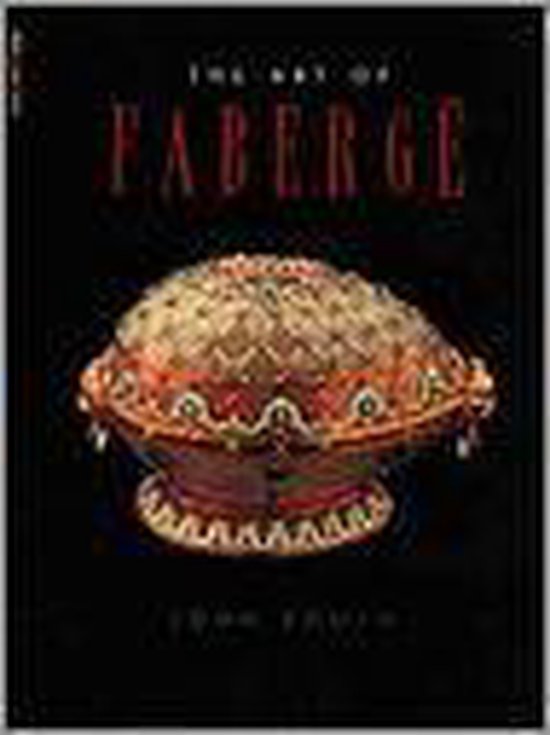
9781856279352 - The art of Faberge

The art of Faberge

The Art of Faberge by John Booth is a masterfully crafted exploration into the world of Peter Carl Faberge, the legendary Russian jeweler whose creations have captivated art enthusiasts and collectors for over a century. This comprehensive volume delves into the intricate history and artistry behind the famed Faberge eggs, which were originally commissioned by the Russian Imperial family as Easter gifts. Each chapter meticulously examines the design, craftsmanship, and cultural significance of these exquisite objects, revealing how Faberge blended traditional techniques with innovative artistry to produce works of unparalleled beauty. The book also covers the broader range of Faberge's output, including jewelry, frames, and other luxury items, highlighting the use of precious metals, gemstones, and enameling that define his style. Through detailed narratives and high-quality illustrations, readers gain insight into the workshops, the artisans involved, and the historical events that shaped Faberge's legacy, from the opulence of the Tsarist era to the upheavals of the Russian Revolution. John Booth's authoritative voice provides context and analysis, making this an essential resource for anyone interested in decorative arts, history, or the enduring allure of Faberge's creations. The text is enriched with anecdotes about the survival and rediscovery of many pieces, offering a poignant look at how these artifacts have endured through time. Overall, this book serves as both a visual feast and a scholarly reference, celebrating the artistry that continues to inspire awe and admiration in the modern world.

Beschikbare exemplaren

€14.95
REDELIJK
Voormalig bibliotheekboek, inclusief stempels, stickers en harde kaft. Verder is het boek in goede staat.
Auteur John Booth
ISBN 9781856279352
Bindwijze Onbekende bindwijze
Tags Art History jewelry Faberge John Booth Russian Imperial art

In The Art of Faberge, John Booth delivers an impressive and thorough examination of Faberge's oeuvre, with strengths that include its detailed research and stunning visual presentations. The book excels in providing a deep historical context, weaving together the political and social backdrop of late Imperial Russia with the artistic innovations of Faberge, which helps readers appreciate the significance beyond mere aesthetics. The high-quality photographs and reproductions of the eggs and other items are a standout feature, allowing for an immersive experience that brings the intricate details to life. However, the book has some weaknesses, such as occasional dense prose that may deter casual readers, and a focus that sometimes leans too heavily on the imperial eggs, potentially overlooking lesser-known aspects of Faberge's work. Additionally, while the analysis is comprehensive, it could benefit from more diverse perspectives, such as comparisons with contemporary jewelers or discussions on the modern market for Faberge pieces. Despite these minor drawbacks, the review finds the book to be an invaluable addition to any art lover's collection, praised for its ability to educate and inspire, though it might not fully satisfy those seeking a more critical or varied approach. Overall, it is a well-rounded resource that balances scholarly depth with visual appeal, making it highly recommended for enthusiasts and scholars alike.

The Art of Faberge by John Booth provides a comprehensive overview of the life and work of Peter Carl Faberge, focusing on his iconic creations, particularly the Imperial Easter eggs. The book begins by tracing Faberge's early years and the establishment of his workshop in St. Petersburg, detailing how he rose to prominence under the patronage of the Russian Tsars. It then delves into the design and production of the famous eggs, each a unique masterpiece crafted with precious materials like gold, enamel, and gemstones, often containing surprises or miniatures inside. The narrative explores key eggs such as the Hen Egg and the Coronation Egg, explaining their historical contexts and the stories behind their creation. Beyond the eggs, the summary covers Faberge's other works, including jewelry, objets d'art, and their roles in royal ceremonies and daily life of the aristocracy. The book also addresses the impact of political turmoil, such as the Russian Revolution, on Faberge's business and the dispersal of his creations worldwide. Throughout, John Booth emphasizes the artistic innovation and technical skill involved, highlighting how Faberge's legacy has influenced modern jewelry and art. The summary concludes by reflecting on the enduring fascination with Faberge's work, its preservation in museums, and its continued relevance in contemporary culture, offering readers a vivid and engaging account of this golden era in decorative arts.