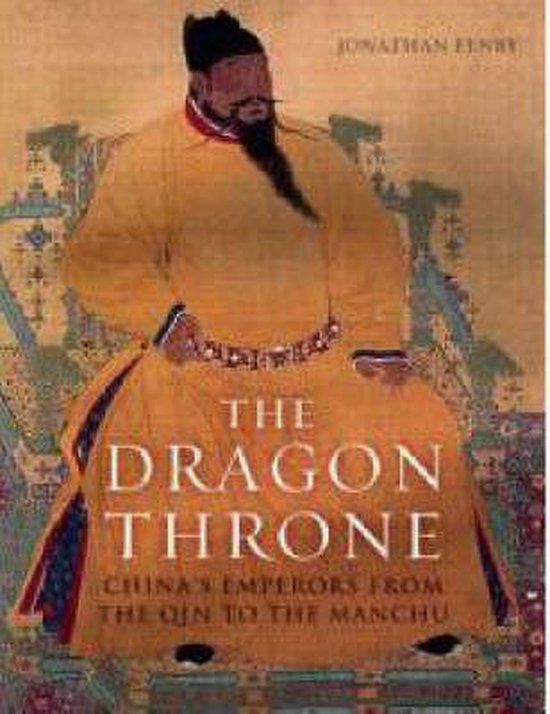
9781847244062 - The Dragon Throne

The Dragon Throne

The Dragon Throne by Jonathan Fenby is a masterful historical narrative that delves deep into the intricate and often tumultuous history of China's imperial dynasties, spanning over two millennia from the Qin to the Qing. This book offers a comprehensive exploration of how power, culture, and governance evolved in one of the world's oldest civilizations, making it an essential read for history enthusiasts and scholars alike. Fenby's meticulous research and engaging prose bring to life the rise and fall of emperors, the impact of philosophical movements like Confucianism and Daoism, and the profound societal changes that shaped modern China. Through vivid descriptions of key events such as the unification under Qin Shi Huang, the golden age of the Tang Dynasty, and the challenges of foreign invasions, the author illustrates the resilience and complexity of Chinese society. The narrative not only covers political milestones but also delves into economic developments, artistic achievements, and the daily lives of ordinary people, providing a holistic view that enriches the reader's understanding. With its detailed analysis and compelling storytelling, The Dragon Throne serves as a gateway to appreciating China's enduring legacy and its influence on global history, making it a valuable resource for anyone interested in Asian studies or world history.

Beschikbare exemplaren

€16.95
ALS NIEUW
Auteur Jonathan Fenby
ISBN 9781847244062
Bindwijze Hardcover
Tags non-fiction Historical Narrative Chinese history imperial dynasties Jonathan Fenby

The Dragon Throne by Jonathan Fenby receives high praise for its thorough research and accessible writing style, which makes complex historical topics engaging for a broad audience. One of its strongest points is the author's ability to weave together political, social, and cultural threads into a cohesive narrative that highlights the continuity and change in China's imperial eras. Fenby's use of primary sources and vivid anecdotes brings authenticity to the account, allowing readers to feel immersed in the dynastic struggles and achievements. However, some critics note that the book occasionally oversimplifies certain periods, potentially glossing over nuanced debates among historians, which might leave experts wanting more depth. Another weakness is the relatively limited focus on the later Qing Dynasty and its interactions with the West, which could have been expanded to provide a fuller picture of China's transition into the modern world. Despite these minor drawbacks, the book excels in its educational value, offering clear explanations and insightful analyses that make it an excellent introduction for newcomers to Chinese history. Overall, The Dragon Throne is a commendable work that balances scholarly rigor with readability, though it may not satisfy those seeking highly specialized or critical perspectives on every era covered.

The Dragon Throne by Jonathan Fenby provides a sweeping summary of China's imperial history, tracing the evolution of its dynasties from the foundational Qin era to the decline of the Qing. The narrative begins with the unification of China under Emperor Qin Shi Huang, highlighting the establishment of centralized power and the construction of the Great Wall, which set the stage for centuries of imperial rule. It then moves through the Han Dynasty's consolidation and cultural flourishing, the fragmentation during the Six Dynasties, and the reunification under the Sui and Tang, where trade along the Silk Road and artistic achievements like poetry and painting thrived. The Song Dynasty's innovations in technology and governance are explored, followed by the Mongol-led Yuan era and the restoration under the Ming, known for its maritime expeditions and the Forbidden City. The book concludes with the Qing Dynasty's struggles with internal rebellion and external pressures, leading to the fall of the empire in the early 20th century. Throughout, Fenby emphasizes themes of power, resilience, and cultural identity, showing how these dynasties shaped China's national character and its interactions with the world, making this summary a compelling overview for readers seeking to understand the broad arcs of Chinese history without getting lost in excessive detail.