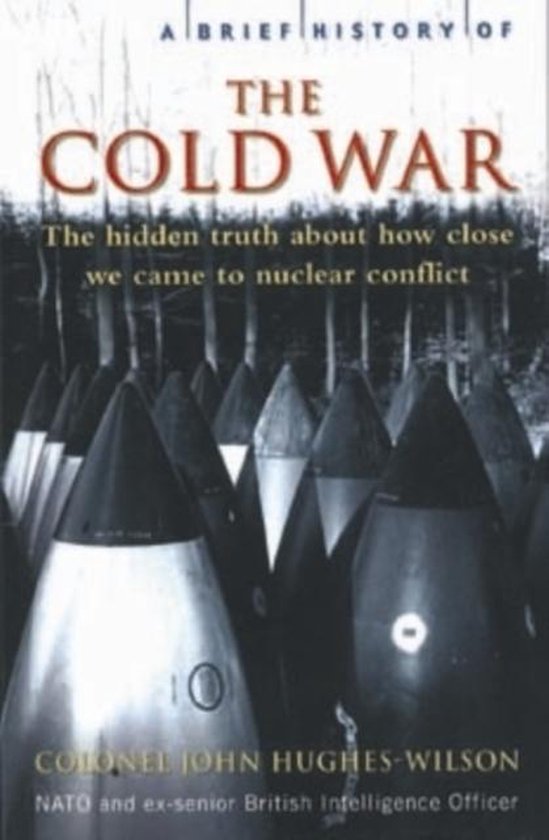
9781845292584 - Brief History Of The Cold War

Brief History Of The Cold War

John Hughes-Wilson's 'Brief History Of The Cold War' offers a comprehensive and engaging exploration of one of the most defining periods of the 20th century, spanning from the aftermath of World War II to the collapse of the Soviet Union in 1991. This meticulously researched book delves into the ideological, political, and military tensions between the United States and the Soviet Union, providing readers with a clear narrative that captures the complexity of the era. Hughes-Wilson, with his background in military history, brings a unique perspective to the subject, emphasizing the strategic decisions, espionage activities, and proxy wars that characterized the conflict. The book begins by setting the stage with the Yalta and Potsdam conferences, where the seeds of distrust were sown, and progresses through key events such as the Berlin Blockade, the Cuban Missile Crisis, and the arms race. It also covers lesser-known aspects, including the role of intelligence agencies like the CIA and KGB, and the impact of the Cold War on developing nations. The author's accessible writing style makes this dense historical period approachable for both scholars and general readers, while his attention to detail ensures accuracy and depth. Throughout the text, Hughes-Wilson highlights the human stories behind the politics, from the fears of nuclear annihilation to the hopes of détente, making it not just a historical account but a compelling story of global struggle. The book concludes with an analysis of the factors leading to the end of the Cold War, including economic pressures and the reforms of Mikhail Gorbachev, leaving readers with a nuanced understanding of how this era shaped modern international relations. With its balanced coverage and insightful commentary, 'Brief History Of The Cold War' serves as an essential resource for anyone seeking to grasp the intricacies of this pivotal time in history.

Beschikbare exemplaren

€10.95
GOED
Auteur John Hughes-Wilson
ISBN 9781845292584
Bindwijze Paperback
Tags history Geopolitics Cold War military history John Hughes-Wilson

John Hughes-Wilson's 'Brief History Of The Cold War' is a standout work that excels in its clarity and depth, making it a valuable addition to Cold War literature. One of its strongest points is the author's ability to distill complex geopolitical events into a coherent and engaging narrative, which is accessible to readers without prior expertise. Hughes-Wilson's military background shines through in his detailed accounts of strategic maneuvers and intelligence operations, adding a layer of authenticity that enriches the historical analysis. The book's coverage of key crises, such as the Cuban Missile Crisis and the Vietnam War, is particularly thorough, offering balanced perspectives that avoid oversimplification. However, some weaknesses include a occasional focus on Western viewpoints, which might overlook the full scope of Soviet and global perspectives, potentially limiting its comprehensiveness for readers seeking a more inclusive history. Additionally, while the writing is generally fluid, certain sections could benefit from more vivid storytelling to enhance emotional engagement, as the tone remains largely academic. Despite these minor drawbacks, the book's strengths in organization and research are evident, with well-supported arguments and a logical progression that guides readers through the decades-long conflict. The inclusion of personal anecdotes and primary sources adds depth, though a broader range of voices from the Eastern Bloc could have provided a more rounded view. Overall, 'Brief History Of The Cold War' is highly recommended for its educational value and readability, though those looking for a deeply critical or multicultural analysis might need to supplement it with other texts. It succeeds as an introductory yet detailed overview, earning praise for its ability to make history relevant and understandable.

In 'Brief History Of The Cold War,' John Hughes-Wilson chronicles the intense ideological and military standoff between the United States and the Soviet Union from 1945 to 1991, tracing its origins to the post-World War II power vacuum and the emergence of superpower rivalry. The narrative begins with the early tensions at conferences like Yalta and Potsdam, where disagreements over Europe's future laid the groundwork for decades of conflict. It then moves through pivotal events such as the Berlin Blockade and Airlift, highlighting how these incidents escalated fears and solidified alliances like NATO and the Warsaw Pact. The book details the nuclear arms race, including the development of hydrogen bombs and the doctrine of mutually assured destruction, which kept the world on edge. Key crises are explored in depth, such as the Cuban Missile Crisis, where the world teetered on the brink of nuclear war, and the proxy wars in Korea and Vietnam, which demonstrated the global reach of the conflict. Hughes-Wilson also examines the role of espionage and intelligence agencies, illustrating how covert operations influenced political outcomes. The latter part of the book covers the period of détente in the 1970s, followed by renewed tensions under Reagan, and ultimately the internal reforms in the Soviet Union led by Gorbachev, which precipitated its collapse. The summary concludes by reflecting on the Cold War's legacy, including its impact on modern geopolitics, the spread of democracy, and the ongoing challenges in international relations, providing a comprehensive overview that captures the essence of this transformative era.