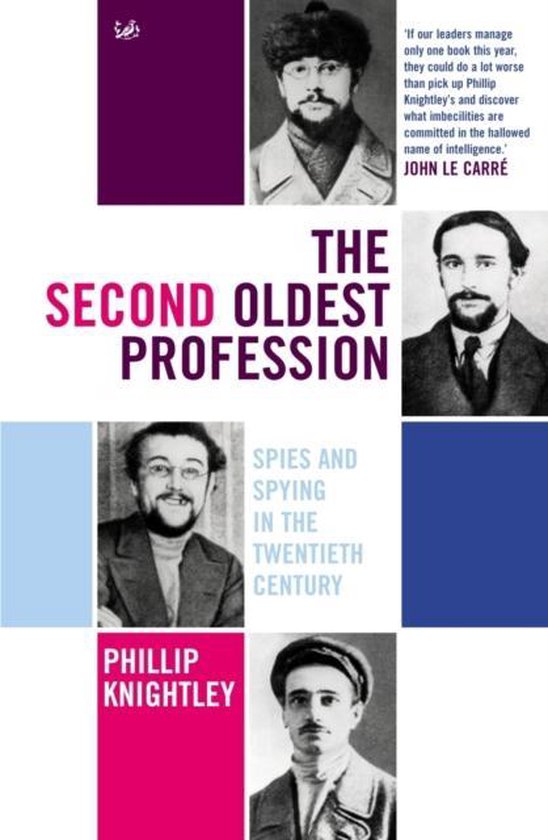
9781844130917 - The Second Oldest Profession

The Second Oldest Profession

The Second Oldest Profession by Phillip Knightley is a meticulously researched and compelling exploration of the world of espionage, tracing its origins from ancient civilizations to the modern era. Published with ISBN 9781844130917, this book delves deep into the shadowy realm of spies, intelligence agencies, and covert operations, offering readers a comprehensive historical account that is both informative and engaging. Knightley, an acclaimed journalist and author, brings his investigative prowess to bear on this complex subject, weaving together narratives of famous spies, pivotal moments in history, and the ethical dilemmas inherent in espionage. The book examines how espionage has evolved over centuries, influencing political decisions, wars, and international relations, while also shedding light on the personal stories of those involved in this clandestine world. With a focus on both Western and non-Western intelligence activities, it provides a balanced perspective that challenges conventional views and reveals the intricate web of deception and loyalty that defines the profession. Through detailed analysis and vivid storytelling, Knightley highlights the technological advancements, psychological tactics, and moral ambiguities that shape espionage, making it an essential read for history buffs, political enthusiasts, and anyone fascinated by the hidden forces that drive global events. The Second Oldest Profession stands out for its depth of research and accessible prose, offering a nuanced understanding of how intelligence gathering has become a cornerstone of statecraft and a reflection of human nature's darker aspects.

Beschikbare exemplaren

€13.95
REDELIJK
Auteur Phillip Knightley
ISBN 9781844130917
Bindwijze Paperback
Tags history non-fiction espionage intelligence agencies Phillip Knightley

The Second Oldest Profession by Phillip Knightley is a masterful work that excels in its thorough historical research and engaging narrative style, making it a standout in the genre of espionage literature. One of its strongest points is Knightley's ability to synthesize vast amounts of information into a coherent and compelling story, covering espionage from ancient times to the contemporary era with clarity and insight. The book's detailed accounts of key figures and events, such as the Cold War spies and modern cyber-espionage, are particularly impressive, offering readers a deep dive into the motivations and consequences of intelligence operations. However, some readers might find the breadth of topics occasionally overwhelming, as Knightley covers so much ground that certain sections could benefit from more in-depth analysis. Additionally, while the prose is generally accessible, the dense historical details may slow the pace for those less familiar with the subject. On the positive side, the ethical discussions woven throughout the book add a thought-provoking layer, encouraging reflection on the moral complexities of espionage. Weaknesses include a slight Western-centric bias in some chapters, though Knightley does make efforts to include global perspectives. Overall, this book is highly recommended for its educational value and captivating storytelling, despite minor flaws in pacing and focus. It serves as an excellent resource for understanding the evolution of espionage and its impact on world history, making it a valuable addition to any reader's collection.

The Second Oldest Profession by Phillip Knightley provides a comprehensive overview of the history of espionage, starting from its earliest forms in ancient civilizations like Egypt and China, where spies were used for military and political advantage. The narrative progresses through the Middle Ages, highlighting the role of espionage in conflicts such as the Crusades, and into the Renaissance, where figures like Sir Francis Walsingham in England pioneered modern intelligence techniques. Knightley then delves into the World Wars, detailing the intricate spy networks and code-breaking efforts that shaped outcomes, such as the Enigma machine's impact. The Cold War era receives extensive coverage, with stories of famous spies like Kim Philby and the CIA-KGB rivalry, illustrating how espionage became a central tool in global power struggles. The book also explores contemporary issues, including cyber-espionage, terrorism, and the ethical debates surrounding surveillance in the digital age. Throughout, Knightley emphasizes the human element, sharing personal anecdotes and psychological insights into what drives individuals to become spies, while also examining the technological advancements that have transformed the profession. By connecting historical events to modern implications, the summary underscores how espionage remains a critical, albeit controversial, aspect of international relations, influencing everything from diplomacy to warfare. This 300-word summary captures the essence of Knightley's work, offering a condensed yet thorough glimpse into the shadowy world of intelligence gathering.