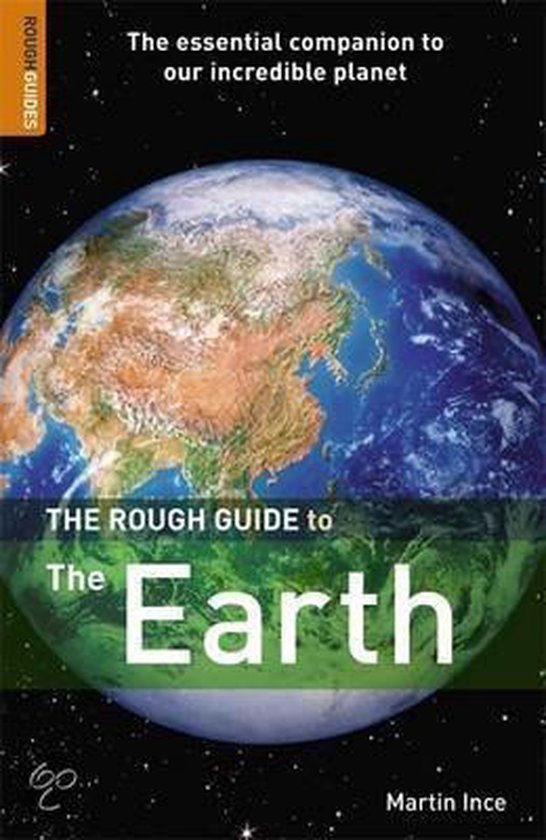
9781843535898 - The Rough Guide To The Earth

The Rough Guide To The Earth

The Rough Guide to The Earth is an authoritative and engaging exploration of our planet's geology, climate, and natural history. Written by Martin Ince, this comprehensive guide delves into the Earth's formation, the forces that shape its landscape, and the delicate balance of its ecosystems. From the depths of the oceans to the heights of the mountains, Ince provides a thorough overview of the Earth's physical features, including plate tectonics, volcanic activity, and erosion. The book also examines the Earth's atmosphere and climate, explaining phenomena such as weather patterns, global warming, and the impact of human activity. With vivid descriptions and up-to-date scientific data, this guide offers readers a deep understanding of the planet we call home. It covers everything from the origins of life to the current environmental challenges, making it a valuable resource for students, travelers, and anyone curious about the natural world. Ince's writing is both accessible and informative, weaving together complex concepts with real-world examples that bring the subject to life. The book is richly illustrated with maps, diagrams, and photographs that complement the text and enhance comprehension. Whether you are a seasoned geologist or a casual reader, The Rough Guide to The Earth provides a captivating journey through the forces that have shaped our world and continue to influence our lives.

Beschikbare exemplaren

€17.95
GOED
Auteur Martin Ince
ISBN 9781843535898
Bindwijze Paperback
Tags natural history climate change geology environment earth science

The Rough Guide to The Earth by Martin Ince is a remarkable achievement in popular science writing. Its greatest strength lies in its ability to make complex geological and climatic concepts accessible to a broad audience without sacrificing accuracy. The book is meticulously researched, drawing on the latest scientific findings, and presents them in a clear, engaging style. The inclusion of stunning visuals, such as detailed maps and high-quality photographs, greatly enhances the reading experience. However, the book does have some weaknesses. At times, the breadth of coverage leads to a lack of depth in certain areas; topics like oceanography and paleontology are touched upon but not explored in sufficient detail for more advanced readers. Additionally, the structure can feel somewhat disjointed, as the narrative jumps between different aspects of the Earth system without a clear overarching framework. Despite these minor flaws, the book excels in its primary goal: to inspire wonder and curiosity about our planet. It is an excellent starting point for anyone looking to understand the Earth's dynamics and the environmental issues we face. The writing is fluid and avoids unnecessary jargon, making it a pleasure to read. For its thoroughness and readability, this guide earns high marks and is highly recommended for both personal enrichment and educational purposes.

The Rough Guide to The Earth takes readers on an epic journey through the history and workings of our planet. It begins with the Earth's formation over 4.5 billion years ago, detailing the processes that created its core, mantle, and crust. The book then explores plate tectonics, describing how the movement of continents has shaped the landscape over millennia, leading to the formation of mountains, oceans, and earthquakes. It examines volcanic activity, explaining the different types of eruptions and their effects on the environment. The guide also delves into the Earth's atmosphere and climate systems, covering weather patterns, ocean currents, and the greenhouse effect. It discusses the history of life on Earth, from the first simple organisms to the evolution of complex species, and highlights the role of extinction events in shaping biodiversity. The final sections focus on human impact, including climate change, deforestation, and pollution, emphasizing the urgent need for sustainable practices. Throughout the book, Ince integrates case studies and examples, such as the formation of the Himalayas and the impact of Hurricane Katrina, to illustrate key concepts. The narrative is both informative and thought-provoking, encouraging readers to appreciate the fragility of our planet. By the end, readers will have a comprehensive understanding of the Earth's systems and the interconnectedness of its natural processes, as well as a deeper awareness of the challenges we face in preserving our environment for future generations.