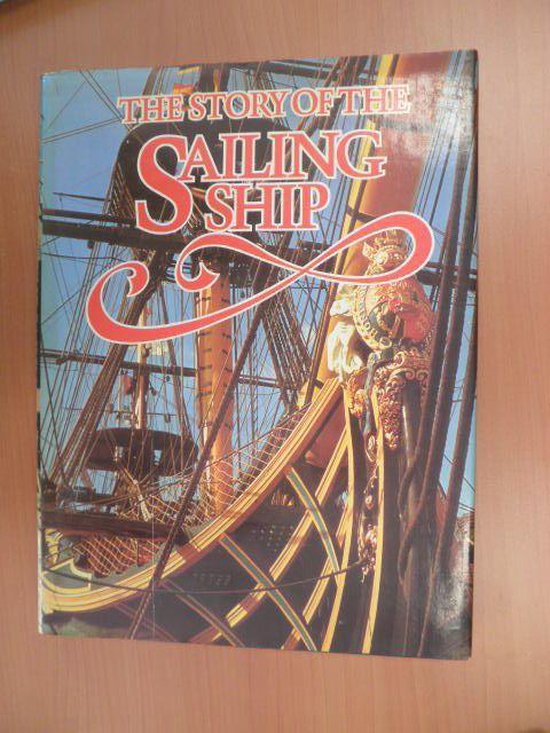
9780856851278 - The story of the sailing ship

The story of the sailing ship

  • Auteur
  • Uitgeverij-
  • Jaar-

The Story of the Sailing Ship is a comprehensive exploration of maritime history, tracing the evolution of sailing vessels from ancient times to the modern era. This book delves into the technological advancements that shaped ship design, such as the transition from simple rafts to sophisticated multi-masted ships capable of long ocean voyages. It covers key historical periods, including the Age of Exploration, where ships like the caravel and galleon enabled European powers to discover new worlds and establish global trade routes. The narrative highlights the cultural and economic impacts of sailing ships, from facilitating the spice trade to influencing naval warfare and colonization efforts. Readers will find detailed accounts of famous voyages, such as those of Christopher Columbus and Ferdinand Magellan, which expanded human knowledge and connected distant continents. The book also examines the daily life of sailors, the challenges they faced at sea, including storms, diseases, and piracy, and the social hierarchies aboard these vessels. Additionally, it discusses the decline of sailing ships with the advent of steam power in the 19th century, yet emphasizes their enduring legacy in modern sailing and maritime heritage. Through vivid descriptions and historical analysis, this work paints a rich picture of how sailing ships have been integral to human progress, fostering innovation, exploration, and cultural exchange across centuries. It serves as an essential resource for history enthusiasts, students, and anyone fascinated by the romance and reality of life on the high seas.

Beschikbare exemplaren

€11.95
GOED

The Story of the Sailing Ship receives high praise for its thorough research and engaging narrative, making it a standout in maritime literature. One of its strongest points is the detailed coverage of shipbuilding techniques and historical contexts, which provides readers with a deep understanding of how sailing vessels evolved over time. The author skillfully blends technical details with human stories, bringing to life the adventures and hardships of sailors, which enhances the book's accessibility and emotional impact. However, some critics note that the book could benefit from more visual aids, such as diagrams or maps, to better illustrate complex ship designs and routes, as the text-heavy approach might overwhelm casual readers. Another weakness is the occasional lack of depth in discussing non-Western maritime traditions, which could have offered a more global perspective on sailing history. Despite these minor flaws, the book excels in its comprehensive scope, covering everything from ancient Egyptian boats to clipper ships, and it is lauded for its clear, flowing prose that avoids jargon. The inclusion of primary sources and anecdotes adds authenticity, making it both educational and entertaining. Overall, while it may not satisfy those seeking a purely visual or specialized focus, it remains an excellent general introduction to the subject, highly recommended for its ability to inspire curiosity and appreciation for maritime heritage.

The Story of the Sailing Ship provides a chronological account of the development and significance of sailing vessels throughout history. Beginning with early watercraft used by ancient civilizations like the Egyptians and Phoenicians, the book progresses through the Middle Ages, where innovations in sail design and navigation tools enabled longer voyages. Key events include the Viking explorations, which reached North America, and the European Age of Discovery, where ships such as the Spanish galleons and Portuguese carracks opened up new trade routes to Asia and the Americas. The narrative details the golden age of sail in the 18th and 19th centuries, highlighting the role of ships in the Industrial Revolution, the slave trade, and naval conflicts like the Napoleonic Wars. It also covers the transition to steam power, which gradually rendered sailing ships obsolete for commercial use, though they persisted in recreational and cultural contexts. Throughout, the book emphasizes how sailing ships influenced global economies, cultural exchanges, and technological progress, from the spread of ideas and goods to the environmental challenges of sea travel. By weaving together historical facts, personal stories, and broader themes, it offers a complete overview of how these vessels shaped human history, making it an informative and compelling read for anyone interested in the enduring legacy of the sailing ship.