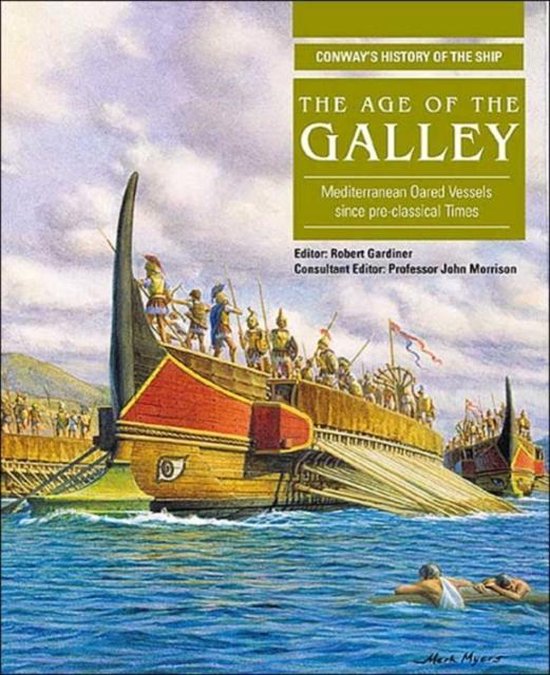
9780851779553 - The Age of the Galley

The Age of the Galley

The Age of the Galley, authored by the esteemed historian John Morrison, is a comprehensive exploration of the pivotal role that galleys played in maritime history from ancient times through the Renaissance. This meticulously researched book delves into the evolution of galley design, construction techniques, and the strategic importance of these vessels in naval warfare, trade, and exploration across various civilizations, including the Greeks, Romans, Vikings, and Mediterranean powers. Morrison masterfully combines archaeological evidence, historical accounts, and illustrative examples to paint a vivid picture of life aboard these ships, detailing the harsh conditions faced by rowers, the tactical maneuvers in battles like Salamis and Lepanto, and the economic impacts of galley-based commerce. The narrative not only covers technological advancements, such as the transition from biremes to triremes and beyond, but also addresses the social and political dimensions, including slavery, naval logistics, and the decline of galleys in favor of sailing ships. With its engaging prose and rich detail, this book serves as an essential resource for historians, naval enthusiasts, and anyone fascinated by the interplay of technology and human endeavor on the high seas. It highlights how galleys shaped empires, facilitated cultural exchanges, and left an indelible mark on world history, making it a must-read for understanding the foundations of naval power.

Beschikbare exemplaren

€16.95
GOED
Auteur John Morrison
ISBN 9780851779553
Bindwijze Paperback
Tags maritime history naval warfare ancient ships John Morrison galley evolution

The Age of the Galley by John Morrison receives high praise for its thorough research and engaging narrative, which brings the history of ancient and medieval naval warfare to life with vivid descriptions and insightful analysis. One of its strongest points is the author's ability to synthesize complex historical data into a coherent and accessible story, making it appealing to both academic readers and general audiences interested in maritime history. Morrison's use of primary sources, such as ancient texts and archaeological findings, adds depth and credibility, while the inclusion of maps and illustrations enhances the reader's understanding of galley construction and battle tactics. However, some critics note that the book occasionally delves too deeply into technical details, which might overwhelm those without a background in naval architecture or history, and the focus primarily on European and Mediterranean contexts could benefit from more coverage of galley use in other regions like Asia or the Americas. Despite these minor weaknesses, the book excels in its comprehensive scope, covering aspects from daily life on galleys to grand strategic implications, and it effectively highlights the human element, such as the experiences of slaves and soldiers. Overall, it is a valuable contribution to historical literature, praised for its clarity and depth, though readers seeking a broader global perspective might find it slightly limited.

The Age of the Galley by John Morrison provides a detailed summary of the history and significance of galley ships from antiquity to the early modern period, tracing their development from simple rowed vessels to sophisticated warships that dominated naval conflicts. The book begins by examining the origins of galleys in ancient civilizations like Egypt and Greece, where they were essential for trade, exploration, and military campaigns, including famous battles such as the Battle of Salamis. Morrison then explores the technological evolution, discussing innovations in hull design, oar configurations, and the introduction of rams and sails, which allowed galleys to become faster and more maneuverable in combat. As the narrative progresses, it covers the rise of Roman galleys, their role in expanding the empire, and the subsequent use by Byzantine and Viking fleets, highlighting how these ships facilitated cultural exchanges and territorial expansion. The later chapters delve into the Mediterranean galley warfare of the Middle Ages and Renaissance, including conflicts between Christian and Muslim powers, and the eventual decline of galleys due to advancements in sailing technology and changing naval tactics. Throughout, Morrison emphasizes the human stories, from the brutal conditions of rowers, often slaves or prisoners, to the strategic decisions of admirals, weaving together a compelling account that underscores the galley's impact on world history, economics, and warfare, culminating in its legacy in modern naval traditions.