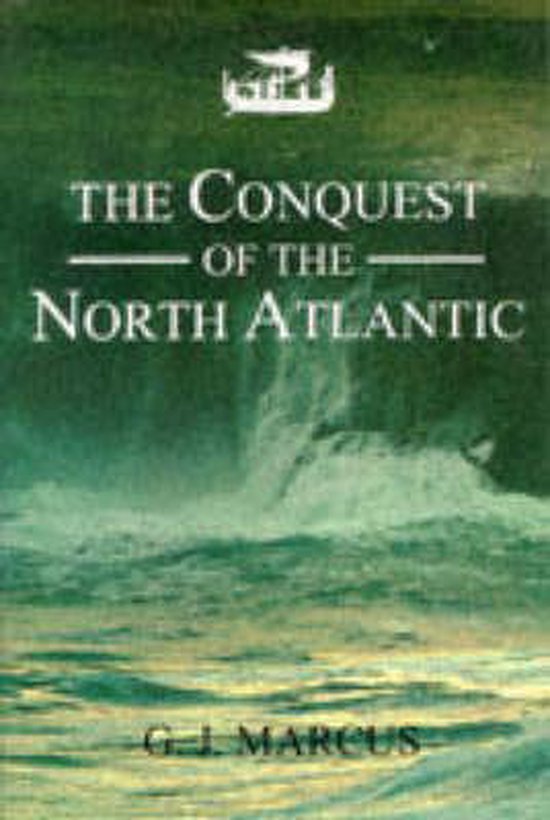
9780851151588 - The Conquest of the North Atlantic

The Conquest of the North Atlantic

The Conquest of the North Atlantic by G.J. Marcus is a meticulously researched historical account that delves into the epic saga of maritime exploration and settlement across the treacherous North Atlantic Ocean. This book chronicles the daring voyages of Norse seafarers, particularly the Vikings, who braved the unknown waters from the 8th to the 11th centuries, leading to the discovery and colonization of Iceland, Greenland, and even the shores of North America, long before Columbus. Marcus masterfully weaves together archaeological evidence, sagas, and historical records to paint a vivid picture of the technological innovations, such as the iconic longships, that enabled these journeys, as well as the social and economic motivations driving expansion. The narrative explores the challenges faced by these early explorers, including harsh weather, navigational uncertainties, and interactions with indigenous peoples, while also highlighting their resilience and the lasting impact on European history. With a focus on key figures like Leif Erikson and the settlements in Vinland, the book provides a comprehensive overview of how these conquests shaped trade, culture, and the spread of ideas, making it an essential read for anyone interested in medieval history, maritime adventures, and the human spirit of discovery. The author's engaging prose ensures that readers are not only informed but also captivated by the dramatic tales of survival and ambition in one of the world's most formidable environments.

Beschikbare exemplaren

€19.95
ALS NIEUW
Auteur G.J. Marcus
ISBN 9780851151588
Bindwijze Paperback
Tags historical non-fiction maritime history North Atlantic Viking Exploration G.J. Marcus

The Conquest of the North Atlantic by G.J. Marcus receives high praise for its thorough scholarship and engaging narrative, making it a standout in the field of maritime history. One of its strongest points is the author's ability to synthesize complex historical and archaeological data into a compelling story that is accessible to both academics and general readers, offering deep insights into Viking culture and their navigational prowess. However, some critics note that the book occasionally leans too heavily on Norse sagas without sufficient critical analysis, potentially romanticizing certain events, and the focus on European perspectives might overlook the broader impacts on indigenous populations in the Americas. Despite this, the vivid descriptions of sea voyages and the detailed accounts of daily life in settlements like Greenland add immense value, bringing history to life in a way that few books achieve. The prose is clear and evocative, though at times the dense factual information can feel overwhelming for those unfamiliar with the subject. Overall, this work is highly recommended for its contribution to understanding early transatlantic exploration, but readers should be prepared for a narrative that, while informative, might benefit from a more balanced viewpoint on cultural interactions. It remains an indispensable resource for historians and enthusiasts alike, sparking curiosity and appreciation for the daring feats that connected continents centuries ago.

The Conquest of the North Atlantic by G.J. Marcus tells the gripping story of how Norse explorers, primarily from Scandinavia, ventured into the uncharted waters of the North Atlantic between the 8th and 11th centuries, leading to significant discoveries and settlements. The narrative begins with the early raids and trade expeditions of the Vikings, detailing their advanced shipbuilding techniques and navigational skills that allowed them to cross vast oceanic distances. It progresses to the colonization of Iceland in the 9th century, where settlers established thriving communities based on farming and fishing, followed by the push westward to Greenland under the leadership of figures like Erik the Red. The book reaches its climax with the voyages to North America, notably by Leif Erikson, who reached areas now known as Newfoundland, describing the encounters with the indigenous peoples and the brief establishment of the Vinland settlement. Throughout, Marcus emphasizes the economic, social, and environmental factors that drove these expansions, as well as the eventual decline of these outposts due to climate changes and isolation. The story concludes by reflecting on the legacy of these explorations, highlighting how they prefigured later European discoveries and left a lasting mark on world history, all while capturing the human drama of courage, adaptation, and the relentless pursuit of new horizons in the face of immense natural challenges.