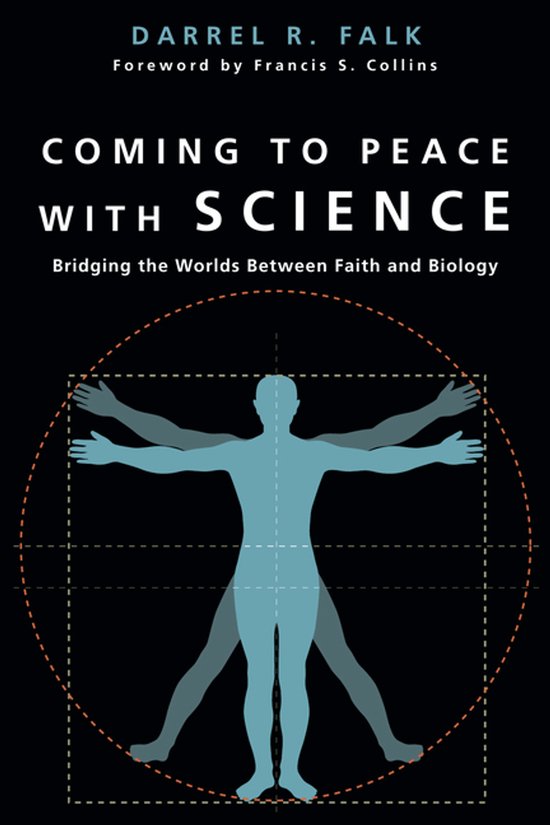
9780830827428 - Coming to Peace With Science

Coming to Peace With Science

In 'Coming to Peace With Science', Darrel R. Falk, a biology professor and committed Christian, offers a thoughtful and accessible exploration of the relationship between science and faith. The book is written for those who have felt tension between their religious beliefs and the findings of modern science, particularly in areas like evolution and geology. Falk shares his personal journey from a literal interpretation of Genesis to embracing an evolutionary understanding of creation, demonstrating that science and faith can coexist harmoniously. He provides clear explanations of key scientific concepts, such as natural selection and deep time, while also engaging with biblical scholarship to show how Genesis can be interpreted in a non-literal, yet faithful, way. The book addresses common objections and misconceptions, offering a middle path that avoids both young-earth creationism and atheistic materialism. Falk emphasizes that science is not the enemy of faith but a means of appreciating the grandeur of God's creation. He encourages readers to view science as a discipline that reveals the intricate processes through which God has brought about life. Throughout the book, Falk maintains a respectful tone towards both scientific and religious perspectives, making it suitable for readers from various backgrounds. He also includes practical advice for parents and educators on how to discuss these topics with young people. Ultimately, 'Coming to Peace With Science' is a call to embrace a faith that is informed by reason and evidence, allowing believers to fully engage with the scientific world without compromising their spiritual convictions.

Beschikbare exemplaren

€10.95
GOED
Auteur Darrel R. Falk
ISBN 9780830827428
Bindwijze Paperback
Tags evolution Christian faith science and religion Darrel R. Falk theistic evolution

Darrel R. Falk's 'Coming to Peace With Science' is a valuable resource for Christians navigating the often contentious dialogue between faith and scientific inquiry. One of the book's greatest strengths is its author's credibility: Falk is both a respected scientist and a devout Christian, which lends authenticity to his arguments. He writes with clarity and compassion, making complex topics like evolutionary biology and geological timescales understandable for lay readers. The personal narrative of his own faith journey adds a relatable and heartfelt dimension. However, the book may be less satisfying for those seeking a more rigorous philosophical or theological treatment. Some readers might find Falk's reconciliatory approach overly conciliatory, as he tends to avoid deeper controversies such as the problem of pain in an evolutionary context. Additionally, while Falk addresses Young Earth Creationism, he does not engage as thoroughly with other perspectives like Intelligent Design. The book's focus is primarily on Christianity, so readers from other faith traditions may find it less applicable. Despite these minor shortcomings, Falk excels in providing a practical and irenic guide. His advice for parents and teachers is particularly useful. Overall, 'Coming to Peace With Science' succeeds in its mission to foster understanding and reduce conflict, making it a recommended read for anyone seeking to integrate scientific knowledge with a vibrant Christian faith.

'Coming to Peace With Science' by Darrel R. Falk is a personal and scholarly account of reconciling Christian faith with modern scientific discoveries. Falk begins by recounting his own journey from a young-earth creationist to a theistic evolutionist, describing the intellectual and emotional challenges he faced. He then provides an overview of the evidence for an old earth and common descent, drawing from geology, paleontology, and genetics. Falk explains how these findings do not contradict a belief in God but rather reveal the methods through which God created life. He delves into biblical interpretation, arguing that Genesis can be understood as a theological rather than scientific text, and that a non-literal reading is both faithful and intellectually honest. The book also addresses specific topics such as the fossil record, the age of the earth, and the evolutionary history of humans. Falk discusses the implications of evolutionary theory for Christian doctrines like original sin and the image of God, offering reinterpretations that maintain theological integrity. He emphasizes that science is a gift from God that enhances our appreciation of creation. Practical chapters offer guidance for parents, teachers, and church leaders on how to navigate these discussions with others. Falk concludes by encouraging readers to embrace a faith that is open to truth from all sources, scientific and scriptural, and to find peace in the understanding that God's creation is both scientifically wondrous and theologically meaningful. The book is a comprehensive and compassionate guide for those seeking to integrate science and faith without sacrificing either.