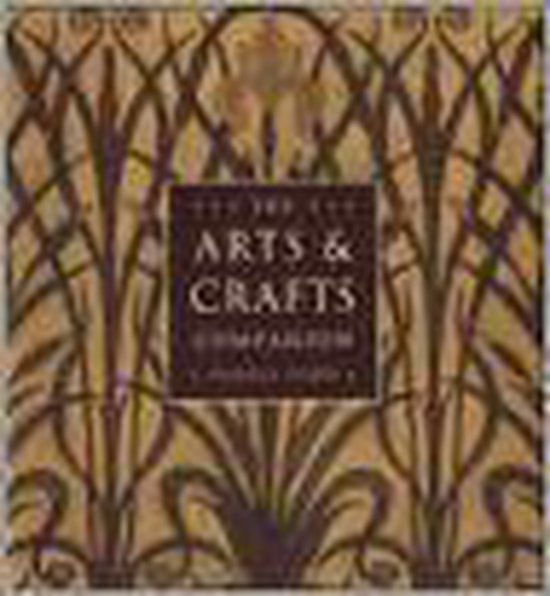
9780821228418 - The Arts and Crafts Companion

The Arts and Crafts Companion

The Arts and Crafts Companion by Pamela Todd is an essential guide that delves deeply into the rich history and enduring legacy of the Arts and Crafts movement, which emerged in the late 19th century as a response to the industrialization that was sweeping across Europe and America. This beautifully illustrated book explores the movement's origins, key figures such as William Morris and Charles Rennie Mackintosh, and its profound influence on design, architecture, and everyday life. Todd masterfully weaves together historical context with detailed analyses of various crafts, including furniture making, textiles, metalwork, and ceramics, highlighting how artisans sought to revive traditional techniques and emphasize the beauty of handcrafted objects over mass-produced goods. The book is not just a historical account but a practical companion for enthusiasts and collectors, offering insights into identifying authentic pieces, understanding stylistic elements, and appreciating the philosophical underpinnings of the movement, such as the emphasis on simplicity, functionality, and the integration of art into daily living. With its comprehensive coverage, The Arts and Crafts Companion serves as an invaluable resource for anyone interested in the decorative arts, providing a thorough exploration of how this movement shaped modern design and continues to inspire contemporary creators. The narrative is enriched with anecdotes, quotes from key proponents, and vivid descriptions of iconic works, making it both educational and engaging for readers who wish to deepen their knowledge or start their own collections in this timeless aesthetic tradition.

Beschikbare exemplaren

€12.95
GOED
Auteur Pamela Todd
ISBN 9780821228418
Bindwijze Hardcover
Tags Arts and Crafts Movement design history Pamela Todd William Morris Handcrafted Art

The Arts and Crafts Companion by Pamela Todd receives high praise for its meticulous research and engaging writing style, which makes the complex history of the Arts and Crafts movement accessible to a broad audience. One of its strongest points is the depth of detail provided on key artists and their contributions, allowing readers to gain a nuanced understanding of figures like William Morris and their philosophies on craftsmanship and social reform. The inclusion of high-quality illustrations and photographs enhances the reading experience, vividly bringing to life the exquisite designs and artifacts discussed in the text. However, some critics note that the book could benefit from more practical guidance for modern-day crafters, as it leans heavily towards historical analysis rather than hands-on projects or step-by-step tutorials. Additionally, while the coverage is comprehensive, it occasionally feels dense for casual readers, potentially overwhelming those new to the subject with its extensive terminology and scholarly approach. On the positive side, Todd's ability to connect the movement's ideals to contemporary issues in design and sustainability is commendable, offering thought-provoking insights that resonate with today's audiences. Overall, this book is a must-read for historians, collectors, and design enthusiasts, though beginners might find it challenging without prior knowledge. Its strengths in storytelling and visual appeal far outweigh the minor drawbacks, making it a valuable addition to any library focused on art and design history.

The Arts and Crafts Companion by Pamela Todd provides a comprehensive overview of the Arts and Crafts movement, tracing its origins from the late 19th century in Britain and its spread to other parts of the world, including the United States. The book begins by setting the historical context, explaining how industrialization led to a backlash among artists and thinkers who advocated for a return to handcrafted techniques and the integration of art into everyday life. Key figures such as William Morris, John Ruskin, and Charles Rennie Mackintosh are profiled in detail, highlighting their philosophies, major works, and the societies they founded to promote their ideals. Todd explores various aspects of the movement, including its impact on architecture, furniture, textiles, and metalwork, with examples of iconic pieces like Morris's wallpapers and Mackintosh's Glasgow School of Art. The narrative delves into the movement's emphasis on simplicity, natural forms, and social reform, showing how it sought to improve the quality of life for both artisans and consumers. As the book progresses, it examines the legacy of Arts and Crafts in modern design, discussing how its principles continue to influence contemporary craft and sustainability movements. Through engaging prose and illustrative examples, Todd captures the essence of this transformative period, making it clear why the Arts and Crafts movement remains relevant and inspiring for designers and enthusiasts today.