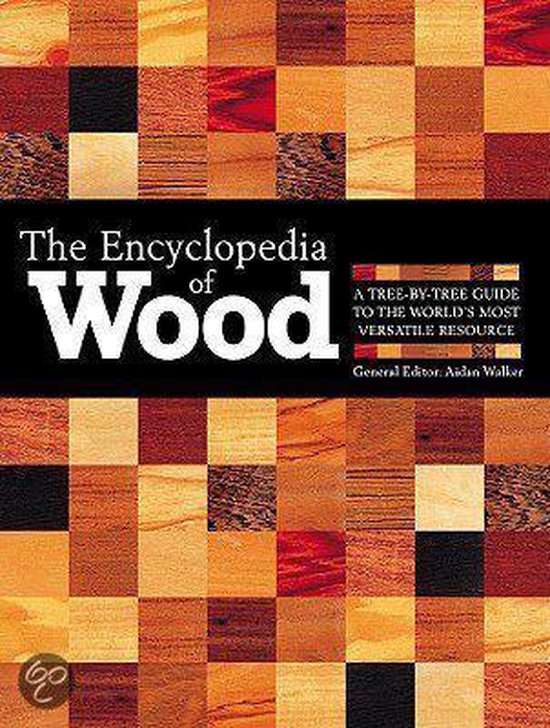
9780816061815 - The Encyclopedia of Wood

The Encyclopedia of Wood

The Encyclopedia of Wood by Lucinda Leech is an exhaustive and meticulously crafted reference guide that delves into the multifaceted world of wood, offering readers a comprehensive exploration of its properties, uses, and significance across various domains. This authoritative volume covers a wide array of topics, including the biological aspects of wood formation in trees, the diverse species of hardwoods and softwoods found globally, and the intricate processes involved in wood harvesting and processing. Each chapter is enriched with detailed descriptions, high-quality illustrations, and practical insights that make complex concepts accessible to both novices and experts in fields such as carpentry, forestry, and environmental science. The book not only educates on the technical aspects, like wood grain patterns, density, and durability, but also emphasizes sustainable practices and the ecological impact of wood usage, encouraging responsible stewardship of forest resources. With its thorough research and engaging narrative, The Encyclopedia of Wood serves as an indispensable resource for anyone seeking to deepen their understanding of this natural material, from its historical applications in ancient civilizations to modern innovations in wood technology and design. Readers will appreciate the clear explanations and real-world examples that bridge theory and practice, making it a valuable addition to personal libraries, educational institutions, and professional workshops alike. By presenting wood as a dynamic and vital element of human culture and industry, Lucinda Leech inspires a greater appreciation for its versatility and enduring relevance in our daily lives and beyond.

Beschikbare exemplaren

€17.95
GOED
Auteur Lucinda Leech
ISBN 9780816061815
Bindwijze Hardcover
Tags sustainability woodworking reference guide carpentry forestry

The Encyclopedia of Wood by Lucinda Leech receives high praise for its thoroughness and clarity, making it a standout reference in its field. One of its strongest points is the depth of information provided, covering everything from the anatomy of trees to advanced woodworking techniques, which ensures it caters to a broad audience, including students, hobbyists, and professionals. The inclusion of vivid illustrations and photographs enhances understanding, allowing readers to visualize complex topics like wood grain variations and joinery methods with ease. Additionally, the book's emphasis on sustainability and environmental considerations is commendable, as it raises awareness about responsible forestry practices and the importance of conserving natural resources. However, some weaknesses include a tendency towards dense, technical language in certain sections, which might overwhelm beginners without prior knowledge. The organization, while generally logical, could benefit from more subheadings or a glossary to aid navigation, as the sheer volume of information can feel overwhelming at times. Despite these minor drawbacks, the book's comprehensive coverage and practical insights outweigh its flaws, making it a reliable and informative guide. Overall, it is highly recommended for those seeking an all-encompassing resource on wood, though readers new to the subject may need to supplement it with simpler materials to fully grasp the basics.

The Encyclopedia of Wood by Lucinda Leech provides a detailed and engaging overview of wood's role in nature and human society, starting with an exploration of tree biology and the factors influencing wood characteristics like hardness and color. It progresses to discuss various wood species, their unique properties, and historical uses, from ancient tools to modern furniture, while highlighting key processes such as drying, finishing, and preservation. The book also delves into practical applications in carpentry, construction, and art, offering step-by-step guides and safety tips for woodworking enthusiasts. Environmental themes are woven throughout, addressing deforestation, certification systems, and the promotion of sustainable alternatives. By the end, readers gain a holistic understanding of how wood impacts ecology, economy, and culture, with anecdotes and case studies illustrating its enduring significance. This summary captures the essence of the book's narrative, emphasizing its educational value and inspirational tone, without revealing all specifics, to encourage deeper reading and appreciation for this versatile material.