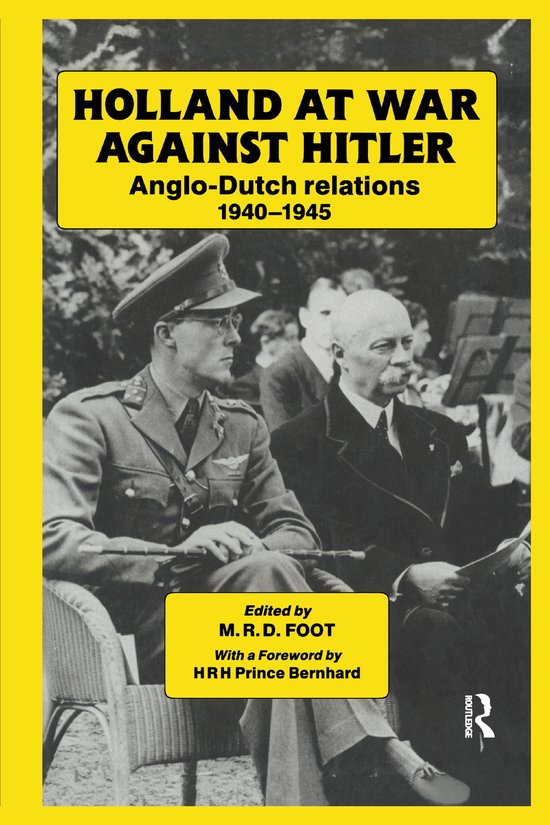
9780714633992 - Holland at War Against Hitler

Holland at War Against Hitler

Holland at War Against Hitler by M. R. D. Foot is a meticulously researched historical account that delves into the Netherlands' complex and often overlooked role during World War II, providing a comprehensive exploration of the Dutch resistance, collaboration, and the broader societal impacts under Nazi occupation from 1940 to 1945. The book begins by setting the stage with the German invasion in May 1940, detailing the swift fall of the Netherlands and the initial shock that gripped the nation, leading to the establishment of a harsh occupation regime that sought to integrate the Dutch into the Nazi New Order while suppressing dissent through brutal measures. Foot masterfully narrates the emergence and evolution of the Dutch resistance movement, highlighting key figures, clandestine operations, and the moral dilemmas faced by ordinary citizens, from hiding Jews and downed Allied pilots to distributing illegal newspapers and engaging in sabotage against German infrastructure. The author also addresses the darker aspects of this period, including widespread collaboration by some Dutch citizens and officials, which facilitated deportations and economic exploitation, painting a nuanced picture of a society torn between survival and principle. Through extensive use of primary sources, such as diaries, government documents, and survivor testimonies, Foot analyzes the economic hardships, such as the Hunger Winter of 1944-1945, and the psychological toll on the population, while also covering the role of the Dutch government-in-exile in London and its efforts to coordinate resistance and maintain national morale. The book concludes with the liberation in 1945, examining the immediate aftermath, war crimes trials, and the long-term legacy of the occupation on Dutch identity, politics, and memory, making it an essential read for understanding how a small nation navigated the horrors of war and the enduring lessons for contemporary conflicts. This detailed narrative not only honors the bravery of resisters but also serves as a cautionary tale about the fragility of democracy and the human capacity for both heroism and complicity in times of extreme duress.

Beschikbare exemplaren

€19.95
REDELIJK
Pagina's hebben wat vlekjes. Verder is het boek in prima staat.
Auteur M. R. D. Foot
ISBN 9780714633992
Bindwijze Paperback
Tags World War II Dutch History historical non-fiction Nazi occupation Resistance Movement

Holland at War Against Hitler by M. R. D. Foot receives high praise for its scholarly depth and engaging narrative, as it offers a balanced and thoroughly documented examination of the Netherlands during World War II, making it a valuable resource for historians and general readers alike. One of the book's strongest points is its comprehensive coverage of the Dutch resistance, where Foot skillfully weaves together personal stories and broader historical analysis to illustrate the courage and ingenuity of individuals who risked their lives in acts of defiance, such as organizing escape routes and distributing anti-Nazi propaganda, which adds a human touch to the historical events. Additionally, the author's objective approach in discussing collaboration is commendable, as he does not shy away from detailing how some Dutch citizens and institutions cooperated with the occupiers, providing a nuanced perspective that avoids oversimplification and encourages readers to reflect on the moral complexities of war. However, a weakness lies in the dense academic style, which may overwhelm casual readers due to the extensive use of footnotes and detailed accounts of political maneuvers, potentially making certain sections feel slow-paced and less accessible to those unfamiliar with Dutch history. Another area for improvement is the limited focus on the experiences of marginalized groups, such as the Jewish community, which, while touched upon, could have been expanded to give a fuller picture of the persecution and resilience during the Holocaust in the Netherlands. Despite these minor drawbacks, the book excels in its use of primary sources and clear prose, offering insights into the economic struggles, like the devastating famine in the final year of war, and the psychological impact on civilians, ultimately making it a compelling and informative work that sheds light on a critical chapter in European history. Overall, this review highlights that while the book is an authoritative account, it balances strengths in research and narrative with areas where deeper exploration could enhance its appeal, yet it remains highly recommended for anyone interested in World War II and the dynamics of occupation and resistance.

Holland at War Against Hitler by M. R. D. Foot provides a detailed summary of the Netherlands' experiences during World War II, starting with the German invasion in 1940 that quickly overwhelmed Dutch defenses and led to a five-year occupation characterized by oppression and resistance. The narrative follows the initial shock and adaptation of the Dutch population, as the Nazi regime imposed strict controls, enforced anti-Jewish laws, and sought to integrate the country into its war economy, while simultaneously, a resilient resistance movement began to form, engaging in acts of sabotage, espionage, and aid to those in hiding. Key events include the February Strike of 1941, a rare public protest against the persecution of Jews, and the increasing brutality of the occupation, which saw mass deportations to concentration camps and the systematic plundering of Dutch resources. As the war progressed, the resistance grew more organized, with groups like the LO and KP coordinating efforts to hide Jews, assist Allied pilots, and disrupt German operations, all while facing severe reprisals and betrayals from collaborators within their own society. The book also covers the role of the Dutch government-in-exile in London, which worked to maintain international support and plan for post-war reconstruction, and the devastating Hunger Winter of 1944-1945, when food shortages led to widespread starvation and death in the western Netherlands. The story culminates in the Allied liberation in 1945, detailing the joyous yet chaotic aftermath, the pursuit of justice through war crimes trials, and the long-term impacts on Dutch national identity, emphasizing how the war shaped the country's commitment to democracy and human rights. Through this comprehensive account, Foot illustrates the full arc of the Dutch struggle, from initial defeat to eventual freedom, highlighting both the heroism and the moral ambiguities that defined this turbulent period.