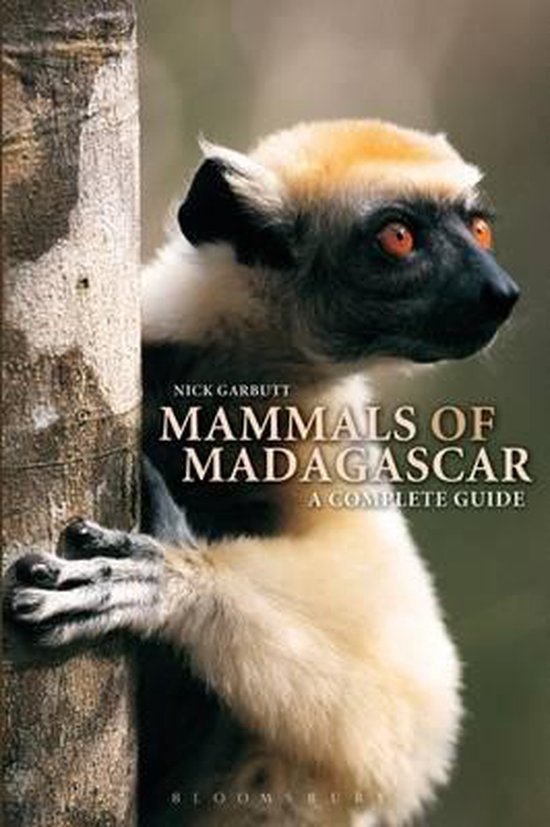
9780713670431 - Guide to the Mammals of Madagascar

Guide to the Mammals of Madagascar

Guide to the Mammals of Madagascar by Nick Garbutt is an essential and comprehensive reference that delves into the unique and diverse mammalian fauna of Madagascar, an island renowned for its high levels of endemism and evolutionary marvels. This meticulously researched book covers over 200 species, including lemurs, tenrecs, carnivores, and bats, providing detailed descriptions of their physical characteristics, behaviors, habitats, and conservation statuses. Garbutt, a respected naturalist and photographer, enriches the text with stunning high-quality photographs and distribution maps, making it an invaluable tool for researchers, students, and wildlife enthusiasts. The book is structured to facilitate easy identification and understanding, with chapters organized by taxonomic groups and supplemented by insights into Madagascar's ecology and the pressing threats these mammals face from habitat loss and climate change. Written in an accessible yet scientific tone, it bridges the gap between academic rigor and public interest, offering readers a deep appreciation of Madagascar's biological treasures. Published with the ISBN 9780713670431, this guide stands as a definitive work, encouraging conservation efforts and fostering a greater connection to one of the world's most extraordinary biodiversity hotspots. Whether used in the field or as a reference, it inspires awe and responsibility towards preserving these irreplaceable species for future generations.

Beschikbare exemplaren

€19.95
GOED
Auteur Nick Garbutt
ISBN 9780713670431
Bindwijze Paperback
Tags conservation Madagascar mammals wildlife guide Nick Garbutt lemurs

Guide to the Mammals of Madagascar by Nick Garbutt receives high praise for its thoroughness and visual appeal, with strengths including its comprehensive coverage of species, excellent photography, and user-friendly organization that aids in identification and learning. However, some weaknesses are noted, such as the occasional dense scientific jargon that may challenge casual readers, and the lack of in-depth discussion on certain lesser-known species, which could leave enthusiasts wanting more details. The book excels in presenting up-to-date conservation information and distribution data, making it a reliable resource for professionals, but its hefty size and weight might limit its practicality for field use. Overall, it is highly recommended for anyone interested in Madagascar's wildlife, though beginners might benefit from supplementary materials to fully grasp the complex topics. The balance between detail and accessibility is generally well-maintained, contributing to its status as a seminal work in mammalogy and conservation literature.

Guide to the Mammals of Madagascar by Nick Garbutt provides a detailed exploration of the island's mammalian diversity, chronicling the lives of species like lemurs, tenrecs, and bats through descriptions of their anatomy, behavior, and ecological roles. The narrative unfolds by introducing Madagascar's unique evolutionary history, then delves into individual species accounts that highlight adaptations, social structures, and survival strategies in various habitats from rainforests to dry deciduous areas. Key themes include the interplay between species and their environments, the impact of human activities on wildlife, and ongoing conservation efforts to protect these animals from extinction. Garbutt weaves in personal anecdotes and scientific findings to create an engaging story that emphasizes the fragility and resilience of Madagascar's ecosystems, ultimately inspiring readers to appreciate and advocate for the preservation of this biological wonderland. The book serves as both an educational tool and a call to action, making complex scientific concepts accessible to a broad audience while fostering a deeper understanding of global biodiversity challenges.