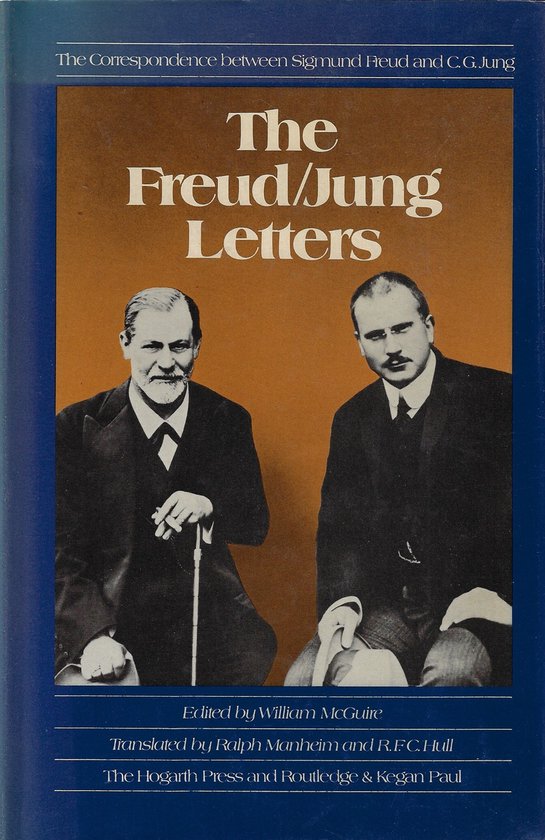
9780710074133 - The Freud/Jung letters

The Freud/Jung letters

The Freud/Jung Letters, edited by William McGuire, is a seminal collection of correspondence between two of the most influential figures in the history of psychology, Sigmund Freud and Carl Gustav Jung. Spanning from 1906 to 1913, these letters chronicle the intense intellectual and personal relationship that began with mutual admiration and collaboration, only to dissolve into a profound and painful schism. The book provides an intimate glimpse into the development of psychoanalytic theory, as Freud and Jung exchange ideas on topics such as the unconscious, dream interpretation, mythology, and the nature of neuroses. Readers are treated to detailed discussions that reveal how their theories evolved, with Freud emphasizing sexuality and the Oedipus complex, while Jung explored broader concepts like the collective unconscious and archetypes. Beyond theoretical debates, the letters expose the emotional dynamics of their friendship, including moments of warmth, mentorship, and eventual conflict over diverging views and personal ambitions. This collection is not just a historical document but a compelling narrative of how scientific partnerships can shape and sometimes shatter under the weight of ideological differences. It offers invaluable insights for scholars, psychologists, and anyone interested in the human psyche, making it a must-read for understanding the roots of modern psychology. The letters are meticulously annotated by McGuire, providing context that enhances comprehension of the complex interplay between their professional and personal lives. Through this correspondence, one can trace the origins of Jung's break from Freud, which led to the establishment of analytical psychology, highlighting themes of innovation, loyalty, and the inevitable tensions in pioneering intellectual movements.

Beschikbare exemplaren

€34.95
GOED
Auteur McGuire, William
ISBN 9780710074133
Bindwijze Hardcover
Tags history psychology Freud psychoanalysis Jung

The Freud/Jung Letters, edited by William McGuire, is an exceptional work that offers a profound look into the minds of Freud and Jung, but it is not without its flaws. On the positive side, the book excels in providing raw, unfiltered access to the intellectual and emotional exchanges between these giants of psychology, allowing readers to witness the birth and evolution of key psychoanalytic concepts in real-time. The letters are rich with detail, covering everything from clinical cases to personal struggles, which makes the narrative engaging and educational. McGuire's editorial contributions, including annotations and background information, are invaluable for contextualizing the correspondence, helping to clarify complex ideas and historical nuances. However, the book has some weaknesses; for instance, the dense theoretical discussions can be challenging for readers unfamiliar with psychoanalytic terminology, potentially limiting its accessibility to a broader audience. Additionally, the emotional intensity of their rift might feel overwhelming at times, as the letters delve deeply into accusations and misunderstandings that could alienate those seeking a more neutral historical account. Despite this, the strengths far outweigh the drawbacks, as the collection serves as a crucial primary source for understanding the schism that shaped modern psychology. It highlights the human aspects of scientific discovery, including ambition, betrayal, and resilience, making it a compelling read for both academics and general enthusiasts. Overall, while it requires patience and some prior knowledge, the insights gained from this correspondence are unparalleled, offering a timeless exploration of collaboration and conflict in intellectual history.

The Freud/Jung Letters, compiled by William McGuire, is a comprehensive collection of the correspondence between Sigmund Freud and Carl Jung, detailing their transformative relationship from 1906 to 1913. The story begins with their initial encounter, marked by mutual respect and a shared passion for exploring the unconscious mind, as they collaborated on developing psychoanalytic theories. Freud, the founder of psychoanalysis, saw Jung as his heir apparent, and their early letters are filled with enthusiastic exchanges about dream analysis, case studies, and the potential of their new science. As the narrative progresses, Jung's independent thinking leads him to challenge Freud's emphasis on sexuality, proposing instead concepts like the collective unconscious and archetypes, which gradually create tension between them. The correspondence vividly captures key events, such as their joint lectures and the founding of the International Psychoanalytical Association, but also the growing disagreements over theoretical principles and personal dynamics. The climax of the story is their eventual rift, fueled by misunderstandings, professional jealousy, and ideological differences, culminating in a painful break that forever altered the course of psychology. Through these letters, readers experience the full arc of their friendship—from alliance to alienation—while gaining insights into the foundational ideas that would define both Freudian and Jungian psychology. This summary encapsulates the essence of their intellectual journey, highlighting how their collaboration and conflict contributed to the rich tapestry of modern psychological thought.