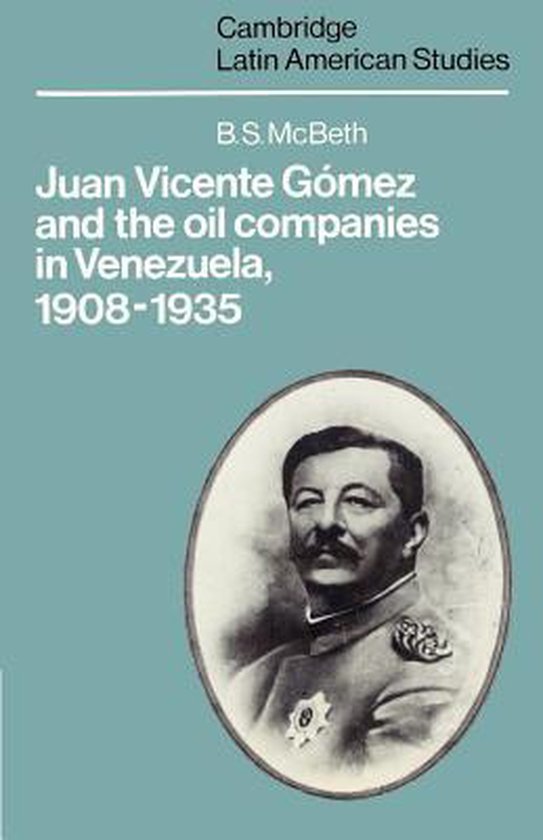
9780521892186 - Juan Vicente Gomez And The Oil Companies In Venezuela, 1908-

Juan Vicente Gomez And The Oil Companies In Venezuela, 1908-

Juan Vicente Gomez And The Oil Companies In Venezuela, 1908- by Alan Knight is a meticulously researched historical work that delves into the complex relationship between the Venezuelan dictator Juan Vicente Gomez and the burgeoning oil industry during his rule from 1908 to 1935. This book provides an in-depth analysis of how Gomez's authoritarian regime facilitated the entry and expansion of foreign oil companies, primarily from the United States and Europe, which transformed Venezuela into a major oil producer and reshaped its economy and society. Knight explores the political maneuvers, economic policies, and social impacts of this era, highlighting how Gomez used oil revenues to consolidate his power, fund infrastructure projects, and maintain control over the populace, while also examining the environmental and cultural consequences of rapid industrialization. The narrative is enriched with detailed accounts of key events, such as the discovery of oil fields in the Lake Maracaibo region, the negotiations with companies like Standard Oil and Shell, and the resulting geopolitical tensions that positioned Venezuela as a critical player in global energy markets. Through extensive use of archival sources, Knight paints a vivid picture of the era, addressing themes of imperialism, nationalism, and the enduring legacy of resource extraction in Latin America. This book is essential for historians, political scientists, and anyone interested in the interplay between natural resources and political power, offering a comprehensive understanding of a pivotal period that laid the groundwork for modern Venezuela's economic dependencies and challenges.

Beschikbare exemplaren

€16.95
GOED
Auteur Alan Knight
ISBN 9780521892186
Bindwijze Paperback
Tags oil industry Venezuela History Juan Vicente Gomez Alan Knight Latin American Studies

Alan Knight's Juan Vicente Gomez And The Oil Companies In Venezuela, 1908- is a compelling and authoritative study that excels in its thorough research and nuanced analysis of a critical period in Venezuelan history. The book's strengths lie in its detailed examination of primary sources, which allows Knight to present a balanced view of Gomez's regime, portraying him not just as a brutal dictator but as a shrewd leader who skillfully navigated international oil interests to bolster his nation's economy. Knight's writing is clear and engaging, making complex historical events accessible to a broad audience, and his ability to connect local developments to global economic trends is particularly impressive. However, the book has some weaknesses, such as a occasional overemphasis on political history at the expense of social and cultural aspects, which might leave readers wanting more insight into the everyday lives of Venezuelans during this transformative era. Additionally, the dense academic style may deter casual readers, and the focus on elite politics sometimes overlooks the voices of marginalized groups affected by oil extraction. Despite these minor flaws, the work is highly valuable for its insights into resource nationalism and state-building, offering lessons that resonate with contemporary issues in resource-rich countries. Overall, it is a must-read for scholars and enthusiasts of Latin American history, providing a deep and thought-provoking exploration of how oil shaped Venezuela's destiny.

Juan Vicente Gomez And The Oil Companies In Venezuela, 1908- by Alan Knight chronicles the era when Venezuela, under the dictatorship of Juan Vicente Gomez, became a central figure in the global oil industry. The book begins by setting the historical context of Gomez's rise to power in 1908, following a coup that ended decades of political instability, and details how his regime aggressively pursued foreign investment in oil exploration. Key events include the discovery of vast oil reserves in the Maracaibo Basin, which attracted major international companies like Standard Oil and Royal Dutch Shell, leading to rapid economic growth but also deepening foreign influence. Knight describes the negotiations and contracts that granted these companies extensive rights, often at the expense of Venezuelan sovereignty, and examines how oil revenues were used to modernize infrastructure, such as roads and ports, while reinforcing Gomez's authoritarian control through patronage and repression. The narrative covers the social upheavals, including labor disputes and environmental degradation, that accompanied the oil boom, and concludes with Gomez's death in 1935, leaving a legacy of economic dependence and political centralization that would influence Venezuela for decades. Through this comprehensive account, Knight highlights the transformative impact of oil on the nation's identity and its role in shaping modern Venezuelan politics and society.