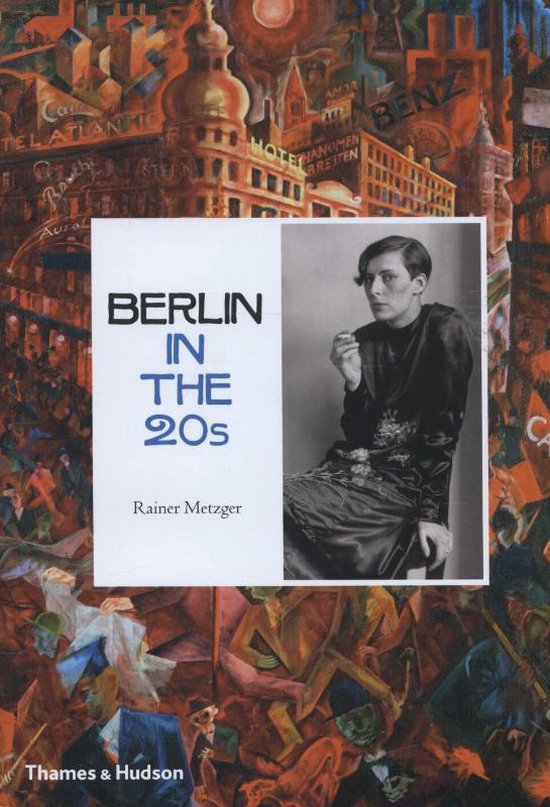
9780500513545 - Berlin in the Twenties

Berlin in the Twenties

Berlin in the Twenties, authored by the esteemed art historian Rainer Metzger, is a captivating exploration of one of the most dynamic and transformative decades in the history of Berlin. This richly illustrated book delves deep into the cultural, social, and political upheavals that defined the 1920s, a period marked by unprecedented creativity and turmoil in the German capital. Metzger masterfully weaves together narratives of art, architecture, literature, and everyday life, painting a vivid picture of a city in flux. From the rise of the Bauhaus movement and the innovations in modernist architecture to the flourishing of cabaret culture and the groundbreaking works of artists like George Grosz and Otto Dix, the book captures the essence of Berlin's vibrant artistic scene. It also addresses the darker undercurrents of the era, including economic instability, political extremism, and the looming shadow of Nazism, providing a balanced and nuanced perspective. Through meticulous research and engaging prose, Metzger highlights how Berlin became a hub of intellectual and artistic exchange, attracting figures from around the world. The book is not just a historical account but a sensory journey, evoking the sounds, sights, and emotions of the time. With its detailed analysis and stunning visuals, Berlin in the Twenties serves as an essential resource for historians, art enthusiasts, and anyone fascinated by this pivotal period. It offers readers a comprehensive understanding of how the twenties shaped modern Berlin and left an indelible mark on global culture, making it a must-read for those seeking to grasp the complexities of this era.

Beschikbare exemplaren

€27.95
GOED
Auteur Rainer Metzger
ISBN 9780500513545
Bindwijze Hardcover
Tags Art History modernism Weimar Republic Berlin history 1920s culture

Berlin in the Twenties by Rainer Metzger is a compelling and well-researched work that excels in its detailed portrayal of Berlin's cultural zenith during the 1920s. One of its strongest points is the author's ability to synthesize a vast array of historical elements into a coherent and engaging narrative, making complex topics accessible to a broad audience. Metzger's prose is both informative and evocative, drawing readers into the vibrant world of Weimar Berlin with vivid descriptions of art, music, and social life. The inclusion of high-quality illustrations and photographs enhances the reading experience, providing visual context that complements the textual analysis. However, the book does have some weaknesses; at times, the dense historical detail may overwhelm casual readers, and the focus on high culture occasionally overshadows the experiences of ordinary citizens. Additionally, while the political context is addressed, some critics argue that it could benefit from a deeper exploration of the economic hardships faced by the populace. Despite these minor flaws, the book's strengths far outweigh its shortcomings, offering invaluable insights into a period of immense creativity and conflict. It is particularly praised for its balanced approach, neither romanticizing the era nor ignoring its darker aspects. Overall, Berlin in the Twenties is a highly recommended read for anyone interested in history, art, or urban studies, though readers should be prepared for its scholarly depth. It stands as a testament to Metzger's expertise and passion for the subject, making it a valuable addition to any library.

Berlin in the Twenties by Rainer Metzger provides a comprehensive summary of the cultural and historical landscape of Berlin during the 1920s, a decade of radical change and innovation. The book begins by setting the stage in the aftermath of World War I, describing how Berlin emerged as a center of artistic and intellectual fervor amidst economic hardship and political instability. It chronicles the rise of modernist movements in art and architecture, such as Expressionism and the Bauhaus, highlighting key figures like Walter Gropius and their contributions to reshaping the city's aesthetic. The narrative delves into the vibrant nightlife and cabaret scene, where performers and artists challenged social norms and explored new forms of expression. Metzger also examines the literary boom, with authors like Christopher Isherwood capturing the essence of Berlin life, and the impact of new technologies like film and radio on popular culture. Throughout, the book weaves in the political tensions of the era, from the Weimar Republic's struggles to the growing influence of extremist groups, ultimately leading to the rise of Nazism. It concludes by reflecting on the legacy of the twenties, emphasizing how this period of creativity and conflict laid the groundwork for modern Berlin and influenced global art and thought. By blending historical analysis with personal anecdotes and visual elements, the summary offers a holistic view of this pivotal decade, making it an engaging and informative read for those looking to understand the full story of Berlin in the twenties.