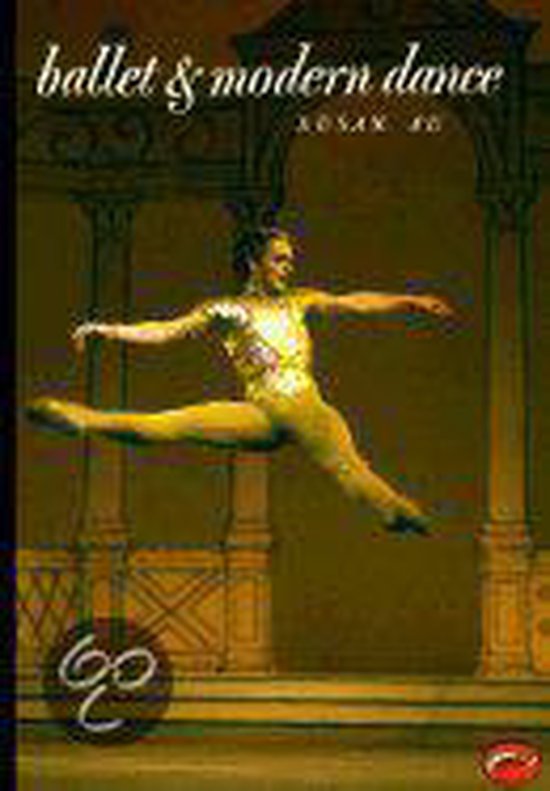
9780500202197 - Ballet and Modern Dance

Ballet and Modern Dance

Ballet and Modern Dance by James Rutter is a comprehensive exploration of the evolution and interplay between two of the most influential dance forms in Western culture. This book delves into the historical roots of ballet, tracing its origins from the Renaissance courts of Italy and France, where it emerged as a formalized art form characterized by precise techniques and elaborate performances. Rutter meticulously details how ballet evolved through the centuries, highlighting key figures such as Marius Petipa, whose choreographic masterpieces like Swan Lake and The Nutcracker have become timeless classics. The narrative then shifts to the rise of modern dance in the late 19th and early 20th centuries, a movement that sought to break away from the rigid structures of ballet, emphasizing personal expression, emotional depth, and innovative movements. Pioneers like Isadora Duncan, Martha Graham, and Merce Cunningham are profiled, showcasing their revolutionary contributions that challenged traditional norms and expanded the boundaries of dance.

Rutter's work not only chronicles the technical and artistic developments but also examines the cultural and social contexts that shaped these dance forms. For instance, he discusses how modern dance often reflected contemporary issues such as feminism, political activism, and the quest for individual identity, while ballet maintained its ties to aristocratic patronage and later, global commercialization. The book includes rich analyses of seminal works, performances, and the fusion of ballet and modern dance in contemporary practices, illustrating how choreographers like Twyla Tharp and Pina Bausch have blended elements from both to create hybrid styles. With over 300 illustrations, including photographs and diagrams, the visual elements enhance the textual descriptions, making complex movements and historical events accessible to readers. This detailed account serves as an invaluable resource for dance enthusiasts, students, and scholars, offering insights into the philosophical underpinnings, aesthetic principles, and ongoing dialogues between tradition and innovation in the dance world.

Beschikbare exemplaren

€8.95
GOED
Auteur James Rutter
ISBN 9780500202197
Bindwijze Onbekende bindwijze
Tags ballet dance history Modern Dance James Rutter Art and Culture

Ballet and Modern Dance by James Rutter receives high praise for its thorough research and engaging narrative, making it a standout reference in the field of dance studies. One of its strongest points is the author's ability to weave together historical facts with vivid storytelling, providing readers with a deep understanding of how ballet and modern dance have influenced each other over time. Rutter's analysis of key figures, such as the contrast between the ethereal grace of Anna Pavlova in ballet and the raw emotional intensity of Martha Graham in modern dance, is particularly compelling, offering nuanced perspectives that highlight the diversity within these art forms. The inclusion of numerous illustrations and primary source materials adds depth, allowing readers to visualize performances and techniques that might otherwise remain abstract. However, the book does have some weaknesses; for instance, certain sections on contemporary dance trends feel slightly dated, as the field continues to evolve rapidly with new technologies and global influences. Additionally, while the text is accessible to general readers, it occasionally assumes a baseline knowledge of dance terminology, which might challenge complete novices. Despite these minor flaws, the balanced critique of both forms—acknowledging ballet's occasional elitism and modern dance's sometimes fragmented narratives—ensures a fair and informative review. Overall, this book is highly recommended for its educational value and ability to inspire appreciation for dance's rich heritage, though readers should supplement it with more recent publications to stay current with the latest developments.

Ballet and Modern Dance by James Rutter provides a detailed summary of the intertwined histories of ballet and modern dance, spanning from their origins to contemporary practices. The book begins by outlining the birth of ballet in the 15th century Italian Renaissance courts, where it served as entertainment for nobility, evolving through French influences into a codified art form with established techniques like the five positions. Key milestones include the establishment of the Paris Opera Ballet and the works of choreographers such as Jean-Georges Noverre, who advocated for more expressive storytelling. As ballet spread globally, it faced challenges and adaptations, leading to iconic productions like The Rite of Spring, which sparked controversy but pushed artistic boundaries. The narrative then transitions to the emergence of modern dance in the early 20th century, driven by pioneers like Isadora Duncan, who rejected ballet's constraints in favor of free-flowing movements inspired by nature and emotion. Martha Graham further developed this with her technique focusing on contraction and release, while Merce Cunningham introduced chance operations and collaboration with avant-garde artists. Rutter explores how these forms have coexisted and merged, with examples like the Joffrey Ballet incorporating modern elements and contemporary choreographers creating works that defy categorization. The summary concludes by reflecting on the ongoing evolution of dance, emphasizing how cultural exchanges and technological advancements continue to shape performances, making this book a comprehensive guide to understanding the dynamic relationship between tradition and innovation in the dance world.