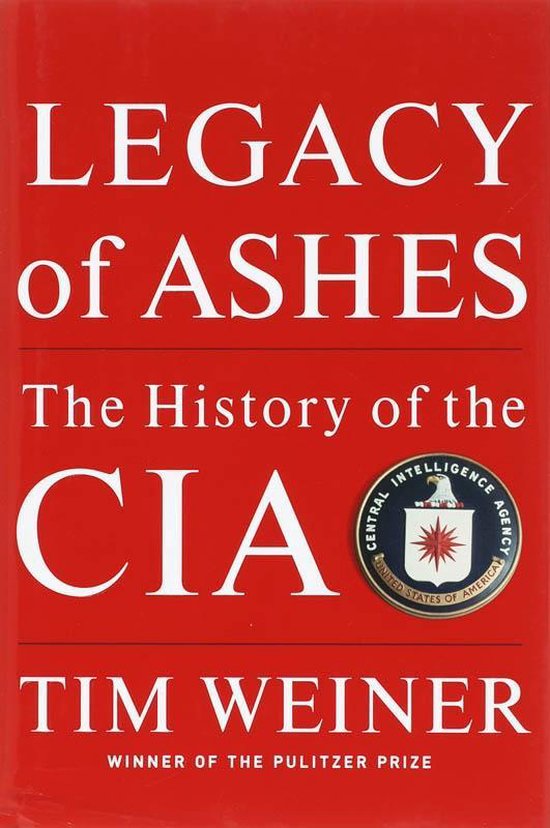
9780385514453 - Legacy of Ashes

Legacy of Ashes

Legacy of Ashes: The History of the CIA by Tim Weiner is a meticulously researched and Pulitzer Prize-winning exposé that delves into the clandestine operations and institutional failures of the Central Intelligence Agency from its inception in 1947 through the early 21st century. Weiner, an acclaimed journalist, draws on declassified documents, interviews, and archival sources to paint a comprehensive picture of an agency often plagued by incompetence, political interference, and moral ambiguity. The book chronicles key events such as the Bay of Pigs invasion, covert actions in Latin America and the Middle East, and intelligence missteps during the Cold War, highlighting how these actions have shaped global politics and often backfired. Weiner argues that the CIA's legacy is one of repeated strategic blunders and a failure to provide accurate intelligence, which has undermined U.S. security and credibility. Through vivid narratives and critical analysis, the author explores the human costs of espionage, the impact on international relations, and the ongoing challenges in intelligence gathering. This detailed account not only educates readers on the hidden history of American espionage but also serves as a cautionary tale about the limits of power and secrecy in a democratic society. With its engaging prose and thorough investigation, Legacy of Ashes offers invaluable insights for historians, policymakers, and anyone interested in the complexities of modern intelligence operations.

Beschikbare exemplaren

€13.95
GOED
Auteur Tim Weiner
ISBN 9780385514453
Bindwijze Bindwijze overig
Tags non-fiction espionage intelligence failures CIA history Tim Weiner

Legacy of Ashes by Tim Weiner receives widespread acclaim for its exhaustive research and compelling narrative, making it a must-read for those interested in intelligence history. The book's strengths lie in its depth of detail and reliance on primary sources, which lend credibility and reveal startling truths about the CIA's operational failures. Weiner's ability to weave complex historical events into an accessible story is commendable, keeping readers engaged while exposing systemic issues like bureaucratic inertia and political manipulation. However, some critics argue that the book occasionally overemphasizes negative aspects, potentially overshadowing any successes of the agency, and that its tone can be overly critical, which might alienate readers seeking a balanced perspective. Additionally, the dense historical content may be challenging for those unfamiliar with Cold War politics, requiring careful reading to fully grasp the nuances. Despite these minor weaknesses, the review highlights how the book effectively sparks important debates about accountability and reform in intelligence agencies. Overall, Legacy of Ashes is praised for its educational value and powerful storytelling, though readers should approach it with an awareness of its critical stance to appreciate its full impact on understanding U.S. foreign policy and espionage history.

Legacy of Ashes by Tim Weiner provides a comprehensive summary of the Central Intelligence Agency's history, tracing its origins from post-World War II to the 21st century and detailing its numerous failures and controversies. The book begins with the CIA's founding in 1947, intended to prevent another Pearl Harbor, but quickly descends into a pattern of botched operations, such as the failed Bay of Pigs invasion in Cuba and misguided covert actions in countries like Iran and Guatemala. Weiner describes how political pressures and internal dysfunction led to intelligence lapses, including the inability to predict major events like the fall of the Soviet Union or the 9/11 attacks. Key themes include the agency's struggle with accountability, the moral dilemmas of espionage, and the impact of its actions on global stability. The narrative covers significant episodes, from Cold War spy games to modern counterterrorism efforts, illustrating a legacy of incompetence and secrecy that has often harmed U.S. interests. Through this detailed account, readers gain insight into how the CIA's missteps have shaped international relations and prompted calls for reform, making the book an essential resource for understanding the complexities and consequences of intelligence work in the modern era.