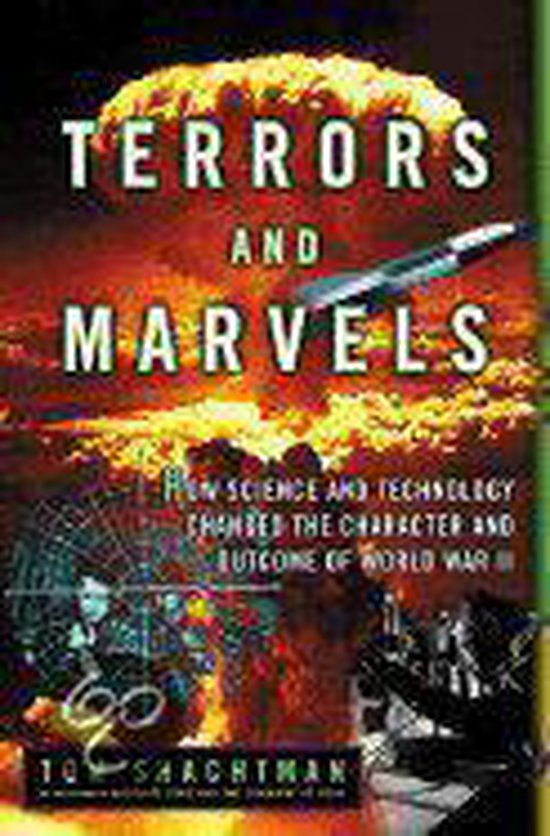
9780380978762 - Terrors and Marvels

Terrors and Marvels

Tom Shachtman's 'Terrors and Marvels' is a compelling exploration of the dual nature of scientific and technological advancements during the 20th century, focusing on how innovations intended for progress often harbored destructive potential. The book delves into pivotal moments where scientific breakthroughs, such as nuclear energy and chemical engineering, were simultaneously marvels of human ingenuity and sources of global terror. Shachtman meticulously examines the ethical dilemmas faced by scientists and policymakers, illustrating how the same knowledge that promised to uplift humanity could lead to catastrophic consequences, like the atomic bombings of Hiroshima and Nagasaki. Through vivid narratives, he connects these historical events to contemporary issues, urging readers to reflect on the responsibility that accompanies technological power. The author's engaging prose brings to life the stories of key figures, from physicists to biologists, who grappled with the moral implications of their work, making complex scientific concepts accessible to a broad audience. By weaving together personal anecdotes, historical analysis, and philosophical insights, Shachtman creates a thought-provoking account that challenges readers to consider the fine line between innovation and peril. This book not only educates but also inspires critical thinking about how society navigates the promises and pitfalls of scientific discovery, emphasizing the need for ethical foresight in an increasingly tech-driven world. With its rich detail and balanced perspective, 'Terrors and Marvels' serves as an essential read for anyone interested in the intersections of science, history, and ethics, offering lessons that remain relevant in today's debates over artificial intelligence and biotechnology.

Beschikbare exemplaren

€8.95
GOED
Auteur Tom Shachtman
ISBN 9780380978762
Bindwijze Hardcover
Tags science history 20th Century scientific innovation technological ethics nuclear weapons

Tom Shachtman's 'Terrors and Marvels' is a masterfully crafted work that excels in its ability to blend historical narrative with profound ethical inquiry, though it occasionally struggles with pacing in its denser sections. The book's greatest strength lies in its comprehensive research and vivid storytelling, which immerses readers in the high-stakes world of 20th-century scientific breakthroughs, from the development of nuclear weapons to advances in medicine. Shachtman skillfully highlights the dual-edged nature of these innovations, showing how they brought both miraculous benefits and horrifying risks, such as the life-saving potential of radiation therapy versus the devastation of nuclear war. However, some readers might find the extensive detail overwhelming, particularly in chapters that delve deeply into technical aspects without sufficient simplification for lay audiences. The author's balanced approach is commendable, as he avoids simplistic judgments and instead presents the complex moral landscapes faced by scientists, making the book a nuanced reflection on human responsibility. On the downside, the narrative can feel fragmented at times, jumping between different eras and topics without seamless transitions, which may disrupt the flow for those seeking a linear account. Despite this, the book's insightful analysis of how fear and wonder drive scientific progress makes it a valuable contribution to popular science literature. It encourages critical engagement with current technological debates, though its focus on historical examples might leave some wishing for more direct connections to modern issues. Overall, 'Terrors and Marvels' is an enlightening and thought-provoking read that, despite minor flaws, succeeds in sparking important conversations about the ethical dimensions of innovation.

In 'Terrors and Marvels,' Tom Shachtman chronicles the intertwined histories of scientific marvels and their terrifying consequences throughout the 20th century, focusing on key developments like nuclear physics, chemical warfare, and biomedical advances. The book begins by exploring the early excitement around discoveries such as radioactivity, which promised new energy sources and medical treatments but also led to the horrors of atomic bombs. Shachtman details the stories of scientists like Robert Oppenheimer, who grappled with the moral weight of creating weapons of mass destruction, and moves through events like the Cold War arms race, where technological rivalry fueled global anxiety. He also examines positive marvels, such as the Green Revolution's agricultural innovations that saved millions from famine, contrasting them with environmental terrors like pesticide overuse. The narrative weaves through biological research, highlighting how genetic engineering offers hope for curing diseases while raising fears of ethical misuse. Throughout, Shachtman emphasizes the human element, showing how individuals and societies navigated the dualities of progress and peril, and concludes by reflecting on lessons for contemporary issues like climate change and AI. This summary captures the essence of a book that urges readers to appreciate the complexity of scientific advancement, advocating for mindful stewardship to harness benefits while mitigating risks, all told in a engaging style that makes history relevant to today's challenges.