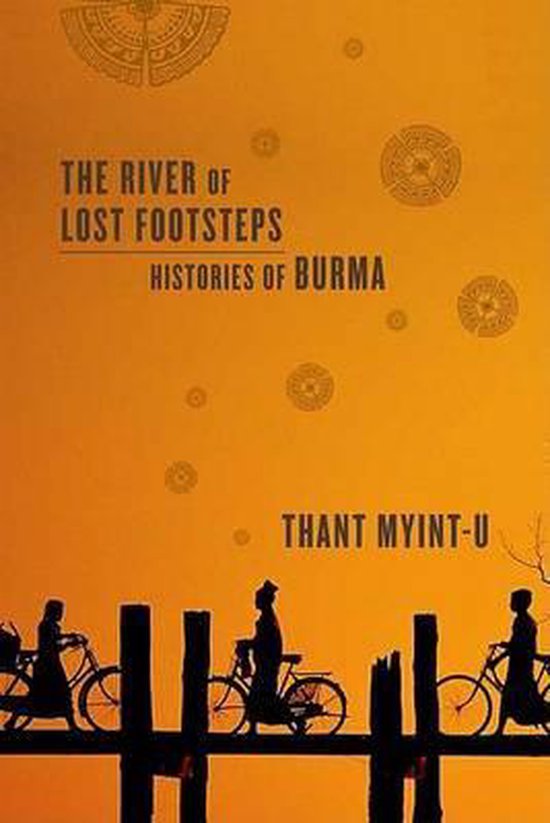
9780374163426 - The River of Lost Footsteps

The River of Lost Footsteps

The River of Lost Footsteps: A Personal History of Burma by Thant Myint-U is a profound exploration of Myanmar's complex and often misunderstood history, blending personal memoir with rigorous historical analysis. This book delves into the nation's past from ancient kingdoms to modern military rule, offering readers an intimate perspective through the author's family lineage, which includes his grandfather, former UN Secretary-General U Thant. Thant Myint-U masterfully weaves together tales of colonialism, independence struggles, and contemporary political turmoil, providing a nuanced view that challenges common stereotypes. He examines how historical events, such as British colonization and the rise of authoritarian regimes, have shaped Myanmar's identity and current challenges, including ethnic conflicts and human rights issues. The narrative is rich with vivid descriptions of landscapes, cultural traditions, and pivotal moments, making it not just a historical account but a heartfelt journey into the soul of a nation. By connecting personal anecdotes with broader historical themes, the book illuminates the resilience and diversity of the Burmese people, encouraging readers to reflect on themes of memory, loss, and the search for identity. This detailed portrayal makes it an essential read for anyone interested in Southeast Asian history, politics, or personal narratives, offering insights that are both educational and emotionally resonant. The author's accessible writing style ensures that complex topics are approachable, while the depth of research provides a solid foundation for understanding Myanmar's place in the global context. Ultimately, The River of Lost Footsteps serves as a bridge between past and present, inviting readers to appreciate the intricate tapestry of a country often overshadowed by headlines.

Beschikbare exemplaren

€8.95
GOED
Auteur Thant Myint-U
ISBN 9780374163426
Bindwijze Hardcover
Tags colonialism political analysis Southeast Asia Myanmar History Personal Memoir

The River of Lost Footsteps by Thant Myint-U receives high praise for its compelling blend of personal and historical narrative, offering a unique window into Myanmar's turbulent past. One of its strongest points is the author's ability to humanize complex historical events through family stories, making the book engaging and relatable for a wide audience. Thant Myint-U's prose is eloquent and evocative, drawing readers into the lush landscapes and poignant moments of Burmese history, while his balanced perspective avoids oversimplifying the nation's conflicts. However, some critics note that the book's dense historical details might overwhelm readers unfamiliar with Southeast Asian history, potentially slowing the pace in certain sections. Additionally, while the personal anecdotes add depth, they occasionally shift focus away from broader analytical insights, which could leave some desiring more rigorous political analysis. Despite these minor weaknesses, the book excels in fostering empathy and understanding, particularly in its treatment of ethnic diversity and colonial legacies. It stands out for its heartfelt exploration of identity and memory, though it may not satisfy those seeking a purely academic or linear historical account. Overall, the strengths in narrative richness and emotional resonance far outweigh the drawbacks, making it a valuable addition to any bookshelf, especially for those interested in memoirs or global histories. The review highlights how the book successfully bridges gaps in popular knowledge about Myanmar, though it encourages readers to supplement with additional sources for a fuller picture of contemporary issues.

The River of Lost Footsteps by Thant Myint-U is a sweeping narrative that chronicles the history of Burma, now Myanmar, through the lens of the author's personal family experiences. The story begins with ancient Burmese kingdoms and progresses through periods of British colonization, detailing how external influences reshaped the nation's identity and governance. Thant Myint-U interweaves his own memories and family legacy, including the impactful role of his grandfather, U Thant, as UN Secretary-General, to illustrate the interplay between personal and national histories. Key events such as the struggle for independence, the rise of military juntas, and ongoing ethnic conflicts are explored with depth and sensitivity, highlighting the resilience and diversity of the Burmese people. The narrative delves into themes of loss, memory, and the search for meaning in a country marked by political upheaval and cultural richness. Throughout the book, readers are taken on a journey across time, from the royal courts of old to modern-day challenges, emphasizing how past injustices continue to influence present-day realities. The author's reflective tone encourages contemplation on identity and heritage, making the story not just a historical account but a poignant exploration of human endurance. By the end, the book paints a comprehensive picture of Myanmar's evolution, urging a deeper understanding of its complexities beyond superficial media portrayals, and leaving readers with a sense of hope amid the struggles.