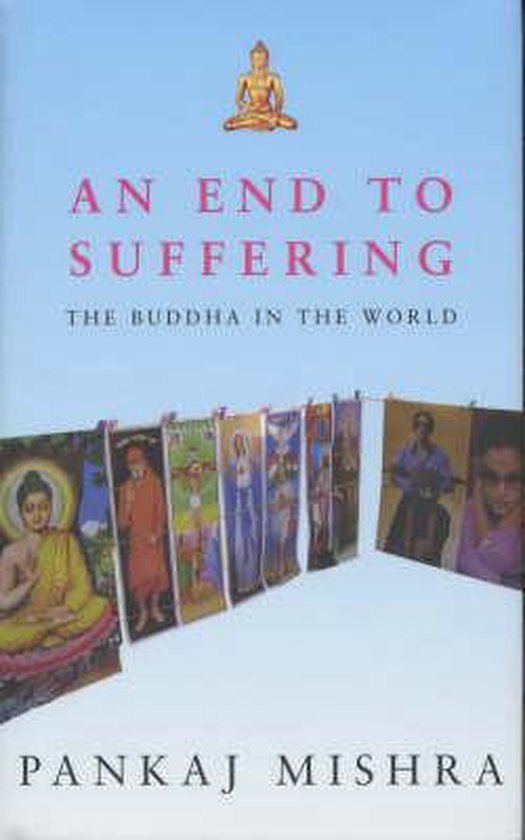
9780330392785 - An End to Suffering

An End to Suffering

An End to Suffering: The Buddha in the World by Pankaj Mishra is a profound exploration of the life and teachings of Siddhartha Gautama, the Buddha, set against the backdrop of contemporary global issues. Mishra, an acclaimed Indian author and essayist, delves into the historical context of the Buddha's era, drawing parallels with modern-day challenges such as political turmoil, social inequality, and personal angst. The book is not merely a biography but a philosophical inquiry that examines how the Buddha's insights into suffering, desire, and enlightenment can offer solutions to the crises of the 21st century. Mishra weaves together personal reflections, historical analysis, and literary criticism, making the narrative accessible and engaging for readers from diverse backgrounds. He traces the Buddha's journey from prince to ascetic to enlightened teacher, highlighting the universal relevance of his message in an age marked by consumerism, environmental degradation, and spiritual emptiness. Through vivid descriptions of ancient India and comparisons with Western philosophical traditions, Mishra argues that the Buddha's emphasis on mindfulness, compassion, and the middle way provides a timeless framework for addressing human suffering. The book encourages readers to reflect on their own lives and the broader societal structures that perpetuate unhappiness, making it a compelling read for anyone interested in philosophy, history, or personal growth. With its rich prose and thoughtful analysis, An End to Suffering serves as both an intellectual guide and a spiritual companion, urging a reevaluation of what it means to live a meaningful life in a complex world.

Beschikbare exemplaren

€10.95
MATIG
Auteur Pankaj Mishra
ISBN 9780330392785
Bindwijze Hardcover
Tags history Self-Help philosophy spirituality Buddhism

An End to Suffering by Pankaj Mishra has garnered widespread acclaim for its insightful blend of biography, philosophy, and social commentary, though it is not without its critiques. On the positive side, Mishra's writing is eloquent and deeply researched, offering a fresh perspective on the Buddha's teachings by connecting them to contemporary issues like globalization, political conflict, and environmental crises. Readers praise the book for its ability to make ancient wisdom accessible and relevant, with Mishra's personal anecdotes adding a relatable touch that enhances the narrative's emotional depth. The exploration of suffering as a universal human condition is particularly powerful, as Mishra skillfully argues that the Buddha's path of mindfulness and compassion can address modern anxieties and societal ills. However, some critics point out weaknesses, such as the occasional density of the philosophical discussions, which may overwhelm readers unfamiliar with Buddhist concepts or Indian history. Additionally, the book's broad scope sometimes leads to a lack of focus, with sections that feel tangential or overly academic, potentially detracting from the core message. Despite these flaws, the overall reception is highly positive, with many appreciating Mishra's courage in challenging Western-centric views and advocating for a more inclusive understanding of spirituality. The book's strengths lie in its provocative ideas and lyrical prose, making it a valuable contribution to discussions on ethics and human fulfillment, even if it requires patience and reflection to fully appreciate its nuances.

An End to Suffering by Pankaj Mishra is a comprehensive narrative that chronicles the life and legacy of the Buddha while examining his relevance in today's world. The book begins by setting the historical stage in ancient India, where Siddhartha Gautama, a privileged prince, renounces his luxurious life to seek answers to human suffering. Through his journey of asceticism and meditation, he attains enlightenment and formulates the Four Noble Truths and the Eightfold Path, which outline the causes of suffering and the means to overcome it. Mishra interweaves this biography with contemporary analysis, drawing parallels between the Buddha's era and modern issues such as economic inequality, political violence, and environmental destruction. He argues that the Buddha's teachings on impermanence, non-attachment, and ethical living offer practical solutions for personal and societal transformation. The narrative includes Mishra's own travels and reflections, adding a personal dimension that highlights the universal appeal of the Buddha's message. Key themes include the critique of materialism, the importance of self-awareness, and the potential for inner peace amidst external chaos. By the end, Mishra emphasizes that ending suffering is not an abstract goal but a achievable path through mindfulness and compassion, making this book a thought-provoking guide for readers seeking meaning in an increasingly complex global landscape.