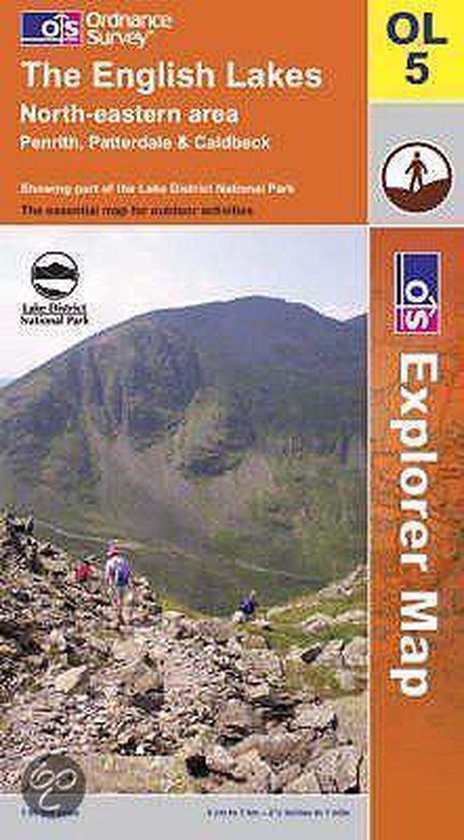
9780319240229 - The English Lakes

The English Lakes

The English Lakes by Ordnance Survey is a comprehensive and beautifully crafted guide to one of England's most cherished natural landscapes, the Lake District. This meticulously detailed book serves as an essential companion for both seasoned explorers and first-time visitors, offering an unparalleled depth of information about the region's geography, history, and cultural significance. With its ISBN 9780319240229, this publication stands out for its authoritative content, drawing from Ordnance Survey's renowned expertise in mapping and geographical data. The book is structured to provide readers with a holistic view of the Lakes, covering everything from the towering peaks of Scafell Pike and Helvellyn to the serene waters of Windermere and Derwentwater. Each section is enriched with stunning photography, detailed maps, and insightful narratives that bring the landscape to life, making it not just a guide but a visual and educational treasure. The authors have skillfully woven together practical advice for hiking, cycling, and boating with fascinating anecdotes about the area's literary connections, including its association with poets like William Wordsworth and Beatrix Potter. Additionally, the book delves into the ecological aspects of the Lakes, discussing conservation efforts, local wildlife, and the impact of tourism on this UNESCO World Heritage Site. Whether you're planning an adventurous trek or a leisurely stroll, The English Lakes equips you with the knowledge to appreciate the region's beauty responsibly and fully. Its durable, high-quality binding and clear, accessible language make it a lasting resource for anyone passionate about the outdoors. In essence, this book is more than a mere guide; it's an invitation to immerse yourself in the timeless allure of the English Lakes, fostering a deeper connection with nature and heritage.

Beschikbare exemplaren

€10.95
GOED

The English Lakes by Ordnance Survey receives high praise for its exceptional accuracy and comprehensive coverage, making it an indispensable tool for anyone exploring the Lake District. One of its strongest points is the integration of detailed, reliable maps that are characteristic of Ordnance Survey's reputation, ensuring users can navigate the terrain with confidence and safety. The book's visual appeal is another standout feature, with breathtaking photographs that capture the region's dramatic scenery and seasonal variations, enhancing the reader's experience and inspiration. However, some reviewers note that the wealth of information can be overwhelming for casual tourists who might prefer a more condensed version focused solely on popular attractions. The inclusion of historical and cultural context is widely appreciated, adding depth beyond mere practical guidance, though a few critics suggest that the literary references could be more balanced with modern perspectives. On the downside, the book's physical weight and size might be cumbersome for lightweight backpackers, potentially limiting its utility on long hikes where every ounce counts. Despite this, the durability of the binding and paper quality ensures it holds up well in outdoor conditions, which is a significant advantage for frequent users. The writing style is clear and engaging, avoiding technical jargon while still providing thorough explanations, though occasional repetitions in descriptive sections might slightly detract from the flow. Overall, The English Lakes excels in delivering a authoritative, visually stunning guide that educates and inspires, though its depth may not suit all audiences equally. It's highly recommended for serious adventurers and nature enthusiasts who value detail and reliability over brevity.

The English Lakes by Ordnance Survey is a detailed exploration of the Lake District, covering its geography, history, and recreational opportunities in a cohesive narrative. The book begins by introducing the region's formation through glacial activity, which sculpted the iconic valleys and lakes, such as Ullswater and Coniston Water, setting the stage for its natural beauty. It then delves into the human history, from early settlements to the Romantic era, highlighting how figures like Wordsworth and Coleridge drew inspiration from the landscape, weaving their literary contributions into the area's cultural fabric. Practical aspects are thoroughly addressed, with chapters dedicated to hiking trails, including the famous Coast to Coast Walk and lesser-known paths, offering tips on navigation, safety, and seasonal considerations. The summary also covers water-based activities, such as kayaking and sailing on Lake Windermere, alongside insights into local flora and fauna, emphasizing the importance of conservation in this protected area. As the narrative progresses, it examines the impact of tourism and modern developments, balancing the need for accessibility with preservation efforts, and concludes with a look at future challenges like climate change. Throughout, the book maintains a focus on empowering readers to engage with the Lakes responsibly, blending storytelling with factual accuracy to create an immersive experience that celebrates both adventure and stewardship.