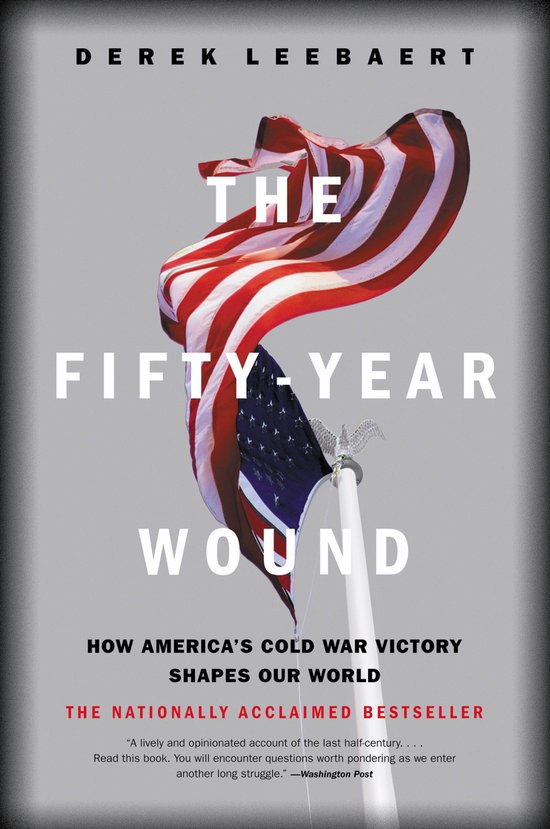
9780316164962 - The Fifty-Year Wound

The Fifty-Year Wound

The Fifty-Year Wound: How America's Cold War Victory Shaped Our World is a compelling historical analysis by Derek Leebaert that delves into the profound and lasting impacts of the Cold War on American society and global politics. Spanning from the end of World War II to the collapse of the Soviet Union, this book meticulously examines how decades of ideological struggle, military buildup, and diplomatic maneuvering left an indelible mark on the United States, influencing everything from economic policies to cultural norms. Leebaert argues that the Cold War was not merely a geopolitical contest but a transformative period that reshaped American identity, fostering a culture of vigilance, innovation, and sometimes paranoia. Through detailed research and engaging narratives, the author explores key events such as the Cuban Missile Crisis, the arms race, and the rise of the military-industrial complex, illustrating how these moments defined national priorities and personal lives. The book also highlights the human cost of this prolonged conflict, including the psychological toll on citizens and the economic burdens of sustained defense spending. By connecting historical events to contemporary issues, Leebaert provides readers with a deeper understanding of how the Cold War's legacy continues to influence modern debates on security, freedom, and international relations. This work is essential for anyone interested in 20th-century history, offering fresh insights into a period that still echoes in today's global landscape, making it a valuable addition to any history enthusiast's collection.

Beschikbare exemplaren

€12.95
GOED
Auteur Derek Leebaert
ISBN 9780316164962
Bindwijze Paperback
Tags American History Cold War military history global politics Derek Leebaert

The Fifty-Year Wound by Derek Leebaert is a masterful exploration of the Cold War's enduring legacy, praised for its thorough research and engaging prose that brings complex historical events to life. One of its strongest points is Leebaert's ability to weave together political, economic, and social narratives, providing a holistic view of how the Cold War permeated American society and shaped global dynamics. The author's arguments are well-supported with extensive evidence, making the book both informative and persuasive, particularly in highlighting the unintended consequences of long-term military engagements. However, some readers might find the dense detail overwhelming at times, as the book covers a vast timeline and numerous events, which could detract from the flow for those less familiar with the subject. Additionally, while Leebaert's analysis is insightful, it occasionally leans towards a U.S.-centric perspective, potentially overlooking the broader international impacts and voices from other nations involved in the conflict. Despite these minor weaknesses, the book excels in drawing connections between past and present, encouraging readers to reflect on how Cold War policies influence current affairs, such as cybersecurity and diplomatic strategies. Overall, it is a thought-provoking read that balances academic rigor with accessibility, though it may require patience from those seeking a lighter historical overview. This review underscores the book's value as a critical resource while acknowledging areas where it could be more balanced or concise.

The Fifty-Year Wound by Derek Leebaert offers a comprehensive summary of the Cold War's extensive impact on America, tracing its origins from post-World War II tensions to the eventual dissolution of the Soviet Union. The narrative begins with the ideological clash between capitalism and communism, detailing how this conflict fueled decades of proxy wars, espionage, and nuclear brinkmanship that defined global politics. Leebaert emphasizes how the United States' pursuit of containment led to significant military and economic investments, including the development of advanced technologies and the establishment of alliances like NATO, which reshaped international relations. Throughout the book, key events such as the Korean War, the Vietnam War, and the Strategic Defense Initiative are explored to illustrate the high stakes and human costs involved, from soldiers' sacrifices to civilian anxieties. The author also delves into the domestic repercussions, showing how Cold War fears influenced American culture, education, and civil liberties, often fostering a climate of suspicion and innovation. As the story progresses, Leebaert analyzes the factors that led to the Cold War's end, including internal Soviet weaknesses and diplomatic breakthroughs, while arguing that its legacy persists in modern issues like terrorism and economic competition. This summary captures the essence of a transformative era, highlighting how fifty years of conflict left a lasting wound that continues to shape contemporary society and policy decisions.