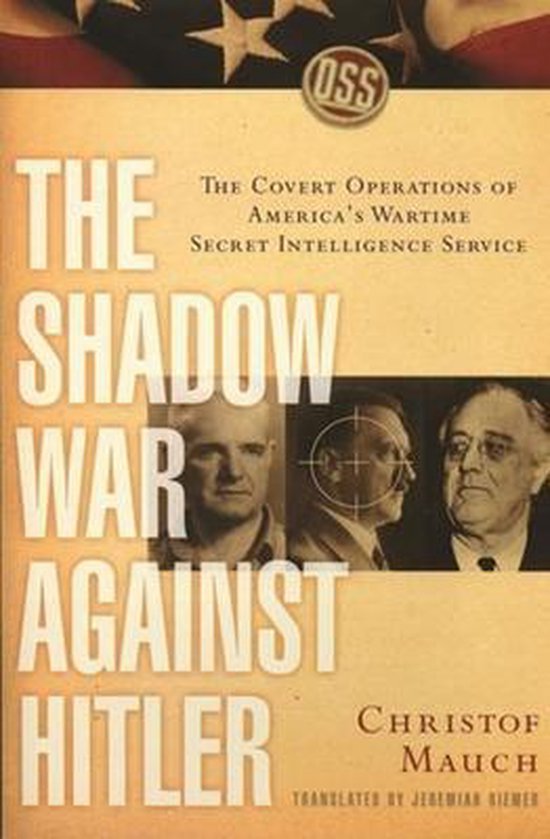
9780231120449 - The Shadow War Against Hitler - The Covert Operations of America's Wartime Secret Intelligence Service

The Shadow War Against Hitler - The Covert Operations of America's Wartime Secret Intelligence Service

The Shadow War Against Hitler - The Covert Operations of America's Wartime Secret Intelligence Service, authored by Christof Mauch, is a meticulously researched historical account that delves into the clandestine efforts of the United States' intelligence agencies during World War II. This book uncovers the intricate and often perilous operations conducted by the Office of Strategic Services (OSS), the precursor to the CIA, as they worked to undermine the Nazi regime from within. Mauch draws on a wealth of declassified documents, personal diaries, and interviews to paint a vivid picture of the spies, saboteurs, and strategists who risked their lives in the shadows. The narrative explores key missions such as espionage in occupied Europe, propaganda campaigns, and covert support for resistance movements, highlighting how these efforts contributed to the Allied victory. It also examines the moral and ethical dilemmas faced by operatives, the technological innovations in intelligence gathering, and the geopolitical tensions that shaped these operations. With a focus on both the successes and failures, the book provides a balanced perspective on this critical aspect of the war, making it an essential read for history enthusiasts and scholars alike. The prose is engaging and accessible, ensuring that readers are not only informed but also captivated by the human stories behind the covert actions. This work stands as a testament to the bravery and ingenuity of those who fought in the unseen battles of World War II, offering fresh insights into a topic that remains relevant in today's discussions on intelligence and security.

Beschikbare exemplaren

€27.95
GOED
Auteur Christof Mauch
ISBN 9780231120449
Bindwijze Hardcover
Tags espionage World War II covert operations intelligence history OSS

Christof Mauch's The Shadow War Against Hitler is a compelling and thoroughly detailed exploration of America's covert intelligence operations during World War II, offering both strengths and weaknesses that make it a noteworthy addition to historical literature. On the positive side, the book excels in its exhaustive research, utilizing a vast array of primary sources to provide an authentic and nuanced account of the OSS's activities. Mauch's writing is clear and engaging, making complex historical events accessible to a broad audience while maintaining academic rigor. The narrative effectively balances individual stories of operatives with broader strategic analyses, giving readers a deep understanding of the personal sacrifices and tactical innovations involved. However, some weaknesses include a tendency to focus heavily on American perspectives, which might overlook the contributions of Allied intelligence agencies, and at times, the dense detail can overwhelm casual readers. Additionally, while the book covers a wide range of operations, it occasionally lacks in-depth critical analysis of the long-term impacts of these covert actions on post-war geopolitics. Despite these minor flaws, the work is highly informative and sheds light on underappreciated aspects of the war, making it a valuable resource for anyone interested in military history or intelligence studies. Overall, it is a well-crafted and insightful read that successfully brings the shadowy world of wartime espionage to life.

The Shadow War Against Hitler by Christof Mauch chronicles the covert operations of America's secret intelligence services during World War II, focusing on the Office of Strategic Services (OSS). The book begins by setting the historical context of the war and the emergence of the OSS under General William Donovan, detailing its mission to conduct espionage, sabotage, and psychological warfare against Nazi Germany. It follows various operatives as they infiltrate enemy lines, gather critical intelligence, and support resistance groups across Europe. Key episodes include daring missions to disrupt German supply lines, assassinate high-profile targets, and spread disinformation to demoralize the enemy. The narrative also explores the development of innovative technologies and techniques, such as code-breaking and guerrilla tactics, that were pivotal to these efforts. As the war progresses, the book highlights the collaboration with Allied forces and the internal challenges within the OSS, including bureaucratic hurdles and ethical conflicts. The climax revolves around the successful operations that aided the D-Day invasion and the eventual downfall of the Nazi regime, while the conclusion reflects on the legacy of these covert actions in shaping modern intelligence agencies. Through personal anecdotes and detailed accounts, Mauch provides a comprehensive overview of how these hidden battles played a crucial role in the Allied victory, emphasizing the courage and resourcefulness of the individuals involved.