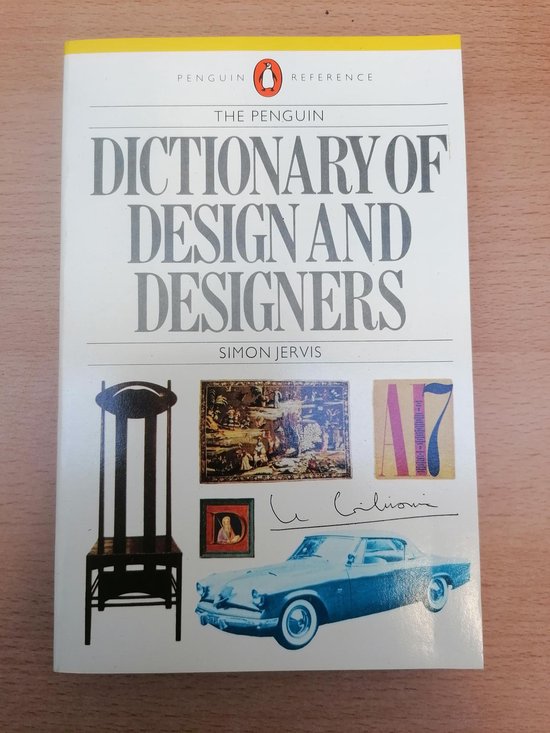
9780140510898 - The Penguin Dictionary of Design and Designers

The Penguin Dictionary of Design and Designers

The Penguin Dictionary of Design and Designers, authored by Simon Jervis, stands as a comprehensive reference work that delves into the multifaceted world of design, spanning various disciplines such as industrial design, graphic design, interior design, and architecture. This meticulously researched volume offers readers an extensive overview of key figures, movements, and concepts that have shaped the design landscape from historical periods to contemporary times. With its ISBN 9780140510898, this book serves as an invaluable resource for students, professionals, and enthusiasts seeking to deepen their understanding of design's evolution and impact on society.

Organized in an accessible dictionary format, the entries provide detailed insights into influential designers like Charles and Ray Eames, Philippe Starck, and Dieter Rams, alongside explanations of significant styles such as Art Deco, Bauhaus, and Modernism. The content is enriched with historical context, highlighting how cultural, technological, and economic factors have influenced design trends. Each entry is crafted to be informative yet engaging, making complex ideas approachable for a broad audience.

Beyond mere definitions, the book explores the interconnectedness of design with other fields like art, engineering, and sustainability, emphasizing its role in everyday life. It includes discussions on materials, techniques, and ethical considerations, offering a holistic view of the design process. The Penguin Dictionary of Design and Designers not only educates but also inspires readers to appreciate the creativity and innovation inherent in design, making it a must-have for anyone interested in the subject.

Beschikbare exemplaren

€7.95
GOED
Auteur Jervis, Simon
ISBN 9780140510898
Bindwijze Paperback
Tags reference book design history design dictionary Simon Jervis design education

The Penguin Dictionary of Design and Designers by Simon Jervis excels as a thorough and well-organized reference, praised for its breadth of coverage across design disciplines and historical periods. Its strengths lie in the detailed entries that provide clear explanations of complex concepts, making it accessible to both novices and experts. The inclusion of lesser-known designers alongside iconic figures adds depth, offering a balanced perspective on the field's diversity. The book's structure facilitates easy navigation, with cross-references that enhance understanding of interconnected topics.

However, some weaknesses include a focus that may lean more toward Western design traditions, potentially overlooking contributions from non-Western cultures. Additionally, the static nature of a print dictionary means it might not capture the latest trends or digital innovations in design, which could date the content over time. The lack of visual illustrations, while keeping the text concise, might limit engagement for readers who prefer visual aids to complement the descriptions.

Overall, this book is highly recommended for its educational value and comprehensive scope, serving as a reliable starting point for research or casual learning. It encourages critical thinking about design's societal role, though users should supplement it with more current or specialized sources for up-to-date information. The quality of writing and research makes it a valuable addition to any design library, despite its minor limitations.

The Penguin Dictionary of Design and Designers, written by Simon Jervis, provides an extensive exploration of design history and theory through an alphabetical arrangement of entries. It covers a wide range of topics, from individual designers and their contributions to major movements and styles that have defined various eras. The book begins by setting the context for design's importance in human culture, tracing its roots from ancient craftsmanship to modern industrial practices. Each entry delves into specific details, such as the life and work of designers like Frank Lloyd Wright or the principles of movements like Minimalism, offering insights into their influence on contemporary design.

Throughout the narrative, the book emphasizes how design intersects with technology, economics, and social values, illustrating its transformative power in shaping environments and experiences. It discusses key concepts like functionality, aesthetics, and sustainability, highlighting debates within the field. The summary captures the essence of the book's educational purpose, aiming to inform readers about the rich tapestry of design without oversimplifying its complexities.

By the end, readers gain a holistic understanding of design as a dynamic and evolving discipline, encouraged to reflect on its future directions. The book serves as a foundational text that sparks curiosity and further study, making it an essential resource for anyone interested in the creative and practical aspects of design across different contexts and time periods.