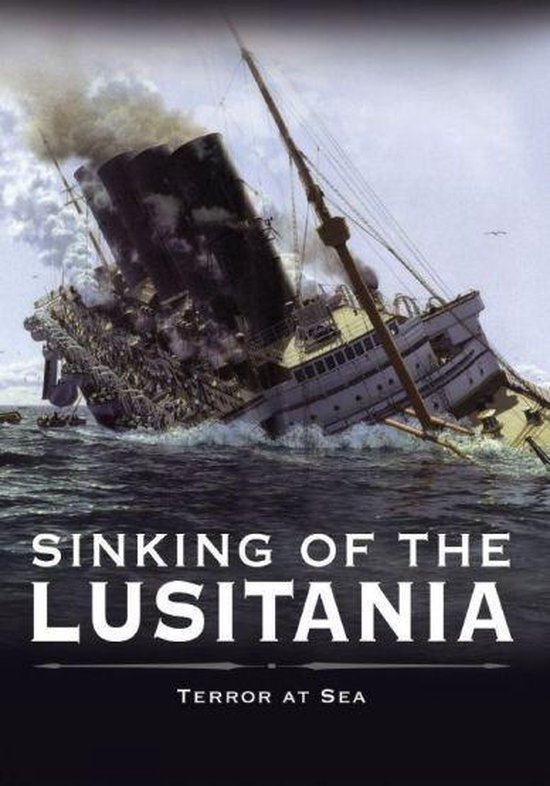
8717496852816 - Sinking Of The Lusitania

Sinking Of The Lusitania

  • Auteur
  • Uitgeverij-
  • Jaar-

The sinking of the Lusitania on May 7, 1915, stands as one of the most pivotal maritime disasters in history, a tragedy that not only claimed 1,198 lives but also reshaped the course of World War I. This book offers a meticulous and gripping account of the events leading up to that fateful day, the torpedo attack by the German submarine U-20, and the harrowing aftermath. Drawing on firsthand testimonies, naval records, and historical analysis, it delves into the political tensions between Germany and the Allied powers, the Lusitania's role as a passenger liner carrying munitions, and the controversial decisions that led to its vulnerability. The narrative captures the chaos and heroism aboard the ship, as passengers and crew struggled to survive the rapid sinking off the coast of Ireland. Beyond the immediate disaster, the book examines the global outcry, the diplomatic firestorm that pushed the United States closer to entering the war, and the enduring legacy of the Lusitania's sinking in maritime law and memory. With vivid prose and thorough research, this volume sheds light on the human cost of war, the failures of intelligence and communication, and the enduring questions of blame and responsibility. Essential reading for history enthusiasts and those seeking to understand a turning point in modern warfare.

Beschikbare exemplaren

€16.95
ALS NIEUW

This compelling history of the Lusitania disaster masterfully combines narrative drive with scholarly rigor. The author excels at painting a vivid picture of the era, from the opulence of the luxury liner to the grim reality of submarine warfare. The strength of the book lies in its human focus: through diaries, letters, and survivor accounts, it brings to life the diverse cast of passengers, from wealthy industrialists to families seeking refuge. The tension builds expertly as the ship sails into the war zone, and the attack itself is described with heart-pounding detail. However, the book occasionally gets bogged down in minute political maneuvering, which may slow the pace for general readers. Some sections on naval strategy feel overly technical, and the discussion of conspiracy theories around the ship's cargo could be more balanced. Nonetheless, the author's analysis of the sinking's impact on American public opinion and the eventual U.S. entry into World War I is insightful and well-supported. The final chapters, which explore the salvage efforts and ongoing historical debates, provide a thoughtful conclusion. Overall, this is a thoroughly researched and engaging account that does justice to a tragedy of immense consequence. Highly recommended for anyone interested in maritime history, World War I, or the human stories behind historic events.

On May 7, 1915, the RMS Lusitania, a British ocean liner en route from New York to Liverpool, was torpedoed by a German submarine off the coast of Ireland. The ship sank in just 18 minutes, resulting in the deaths of 1,198 of the 1,959 people aboard, including 128 Americans. This book chronicles the full story of the disaster, beginning with the background of World War I and Germany's declaration of unrestricted submarine warfare. It introduces the key figures: Captain William Turner of the Lusitania, Captain Walther Schwieger of the U-20, and the passengers whose lives were about to change forever. The narrative follows the ship's departure from New York, despite British warnings of German submarines in the war zone. Aboard, the atmosphere was one of luxury and complacency, with many believing the ship's speed would protect it. When the torpedo struck, chaos ensued. The ship listed heavily, making it difficult to launch lifeboats. Many lifeboats capsized or were unlaunchable due to the list. Survivors clung to wreckage or were rescued by fishing boats and patrol vessels. The aftermath saw a massive propaganda war: the Allies condemned Germany for attacking a civilian ship, while Germany claimed the Lusitania was carrying munitions (a fact later confirmed). The sinking turned American sentiment against Germany and was a factor in the U.S. entry into the war in 1917. The book also covers the controversial salvage operations in the 1980s and the enduring conspiracy theories about the ship's cargo and the British government's role. It concludes with a reflection on the disaster's legacy in maritime safety and international law.